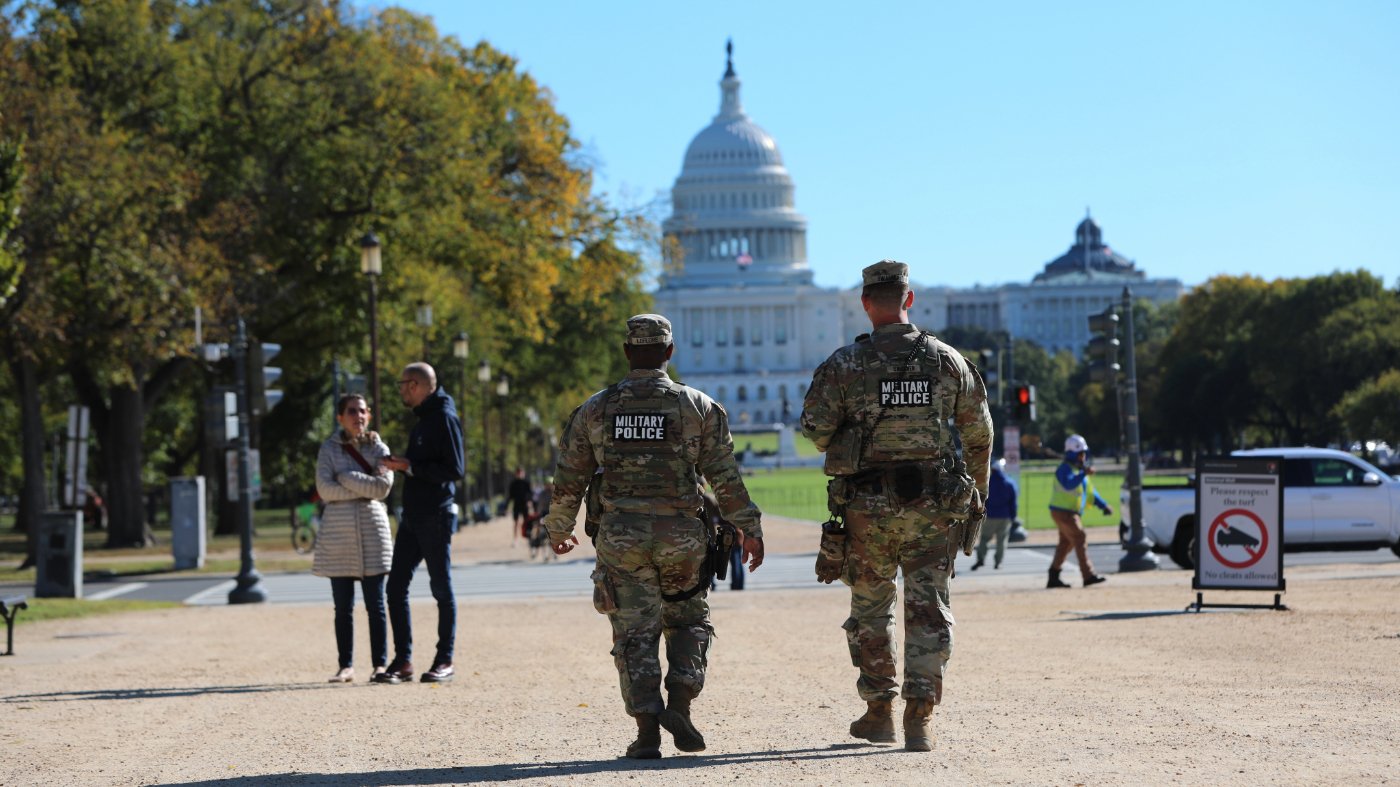
The District of Columbia has reached a settlement with a resident who sued the city and four police officers after being detained last year for following National Guard troops while playing the theme music from the “Star Wars” franchise.
Sam O’Hara alleged in a complaint filed last October that four Metropolitan Police Department officers violated his First Amendment rights when they handcuffed him as he protested the deployment of National Guard troops in the nation’s capital.
His attorneys informed a federal judge in a filing on Friday that a partial settlement had been reached, and O’Hara will move to dismiss claims against those defendants once the payment is received. The case underscores ongoing tensions over protest rights and government overreach, similar to challenges seen in other states, such as the federal lawsuit challenging Kansas in-state tuition law for undocumented students.
A spokesperson for the D.C. branch of the American Civil Liberties Union, which represents O’Hara, declined to specify the settlement amount due to privacy concerns, stating only that it was a “significant amount” with which O’Hara was “pleased.”
“The government’s efforts to silence me ultimately backfired and brought more attention to the unjust deployment of the National Guard in Washington, D.C.,” O’Hara said in a statement. “This settlement serves as a reminder that constitutional freedoms are worth defending, especially when those in power would prefer we stay quiet.”
The protest occurred amid heightened security measures in the capital, drawing parallels to other controversial government actions, such as the funding of ICE detention for families that puts Flores protections at risk.
O’Hara’s lawsuit argued that his detention was an unconstitutional suppression of political speech, a theme that resonates with broader debates about civil liberties in the post-9/11 era. The settlement comes as the ACLU continues to challenge similar detentions nationwide, including in cases like the Pennsylvania boycott of a Trump-linked National Mall fair.
Legal experts note that the case highlights the fine line between maintaining public order and protecting expressive conduct, especially during politically charged events. The National Guard deployment in D.C. last year was part of a larger federal response to civil unrest, which critics argue was excessive.
The settlement does not constitute an admission of wrongdoing by the city or the officers, but it marks a rare victory for protesters in a climate where such cases often end in dismissals or summary judgments. The ACLU has signaled that it will continue to monitor police conduct during protests, ensuring that the right to dissent is not chilled by aggressive enforcement.