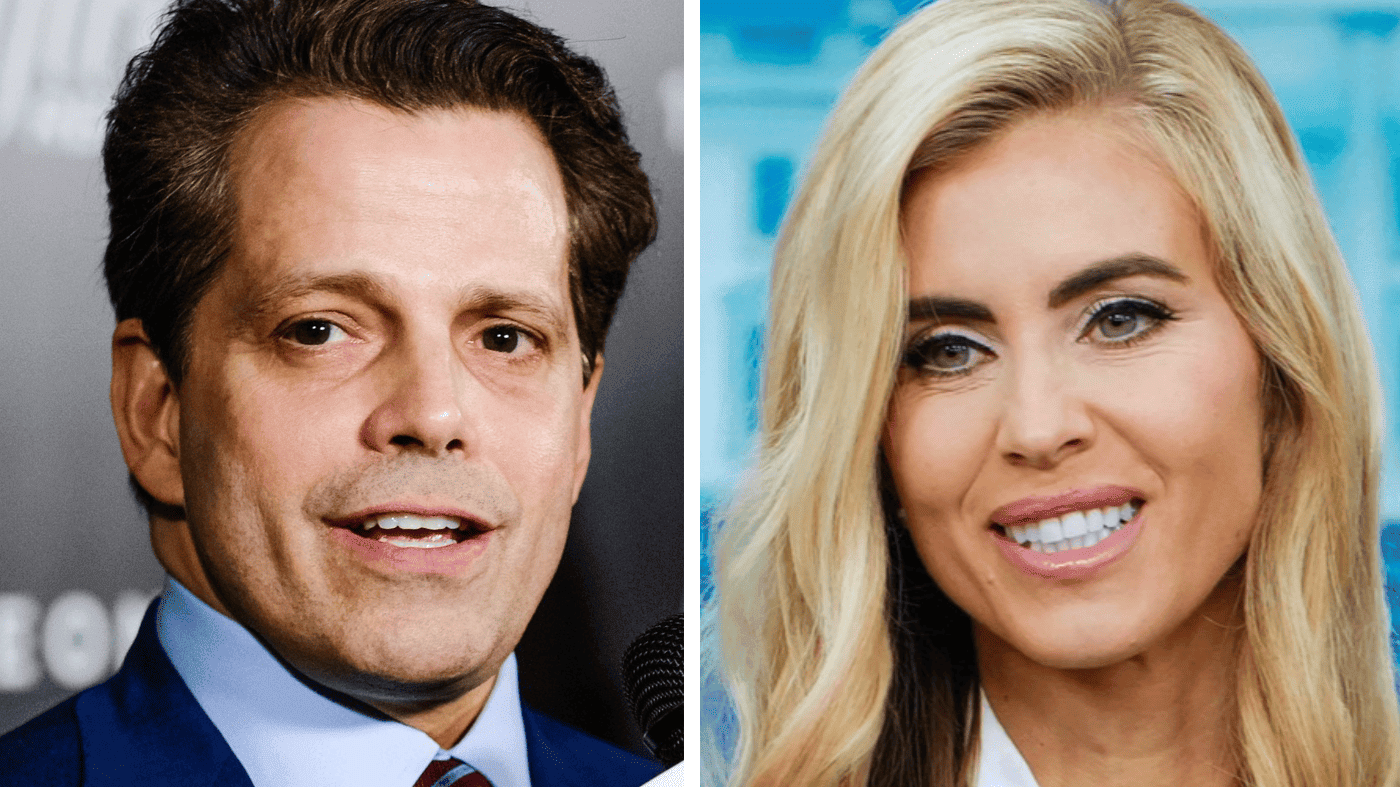
Sen. Adam Schiff (D-Calif.), a self-described frequent user of chatbots, believes Republicans are miscalculating on artificial intelligence. "Americans have reason to feel that the AI revolution is something that is happening to them, not for them," Schiff told me. "AI industry leaders themselves have been clear about the need for federal safeguards. Unenforceable voluntary commitments and self-regulation will not cut it."
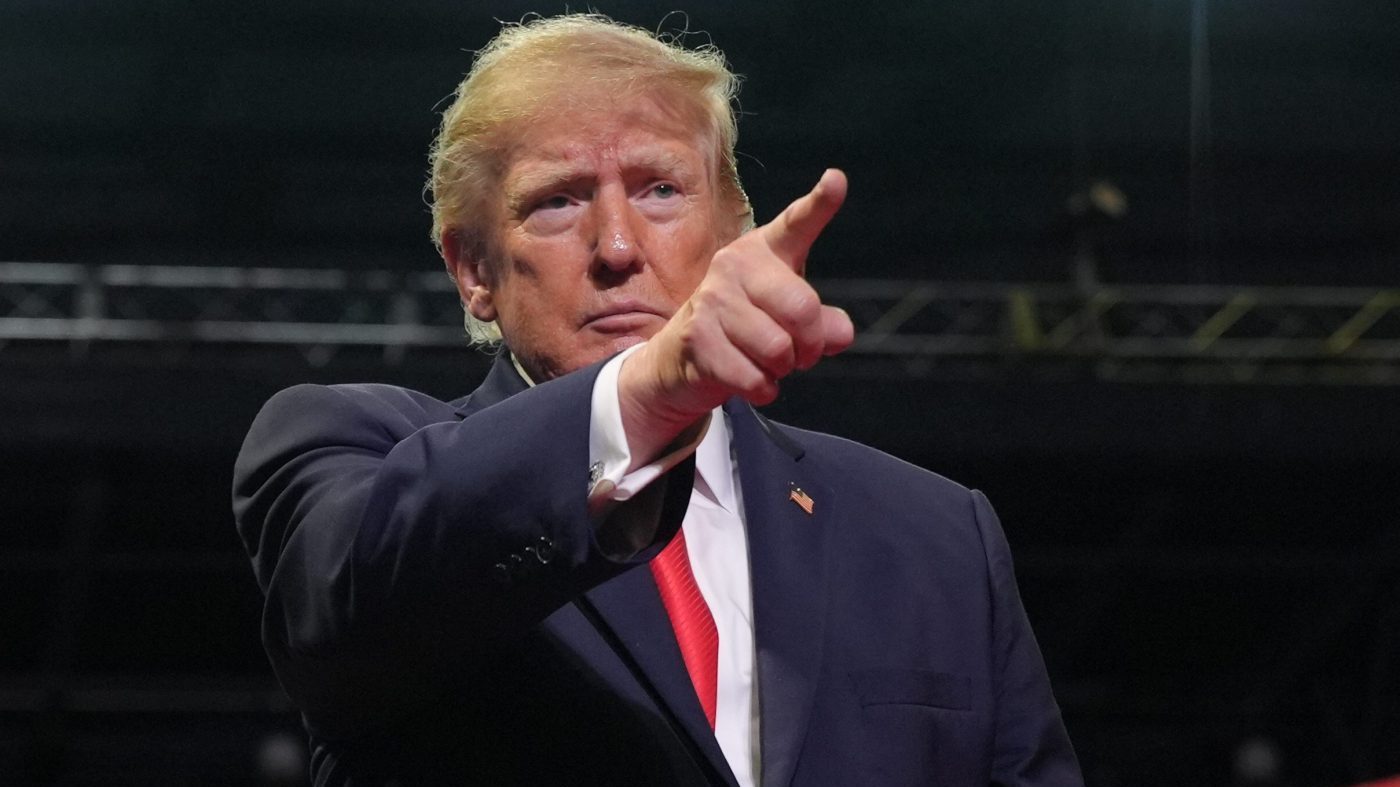
Just weeks earlier, the White House was in a celebratory mood as President Trump hosted tech executives for the signing of an AI safety pact. The agreement, which Trump called "morally binding," leans heavily on industry self-policing rather than federal oversight. But that approach is now colliding with voter anxieties and internal GOP divisions, particularly in competitive races.
The president's bet is that Americans will embrace AI deregulation if it's framed as a race against China. Yet some Republican candidates are finding that message doesn't resonate. In Wisconsin, GOP gubernatorial nominee Tom Tiffany, who once praised data centers as "exciting new technology," has since released an attack ad distancing himself from his opponent, "Data Center David Crowley." In Michigan, Senate candidate Mike Rogers backed a yearlong moratorium on data center construction shortly after progressive Abdul El-Sayed won the Democratic nomination.
Saikat Chakrabarti, a progressive tech entrepreneur and former chief of staff to Rep. Alexandria Ocasio-Cortez, says these Republicans are responding to local pressure, not orders from Washington. "These Republicans who are responding to public sentiment and doing something about AI are the ones in competitive races," he said. "They're not getting orders from the top."
The GOP's internal struggle mirrors the broader political landscape. While Trump and some lawmakers tout the benefits of AI, others worry about job displacement and corporate power. Sen. Bernie Sanders (I-Vt.) has proposed public ownership of AI, an idea Trump once called "interesting" but now seems to have abandoned. "There's something very interesting about it, where it almost becomes a partnership with the American public," Trump said in June, according to the Associated Press.
Democrats are also divided, but Chakrabarti sees that as an opportunity. "The Schiff wing is saying we should do some regulation because I know we have to say we have to do some regulation," he said. "I think the Bernie wing is taking it the most seriously, but even that answer right now is let's pause and figure it out. Whoever has the answer to that next crisis is going to win 90 percent of the country in the next election."
Schiff says he's working on legislation to rethink unemployment compensation for those affected by AI, with details expected in the coming months. Meanwhile, Texas Republican Senate candidate Ken Paxton, who faces ads questioning his stance on data centers, expressed frustration in private: "I've never been in a race where I felt less control over the campaign," he lamented. "I don't control the message or what we're doing."
Paxton, like Texas Gov. Greg Abbott, has shifted toward tighter restrictions on data centers after earlier support. The GOP's gamble is that winning the AI arms race will outweigh public unease. But as voters increasingly feel lawmakers are out of touch, that bet looks shakier. The party may find itself dragged into the same debates that have long divided Democrats, regardless of what the president prefers.