Democratic Senate candidates in competitive races posted blockbuster fundraising numbers in the latest quarterly filings, but Republicans are getting a major boost from tech billionaire Elon Musk and his political machine, according to campaign finance reports released this week.
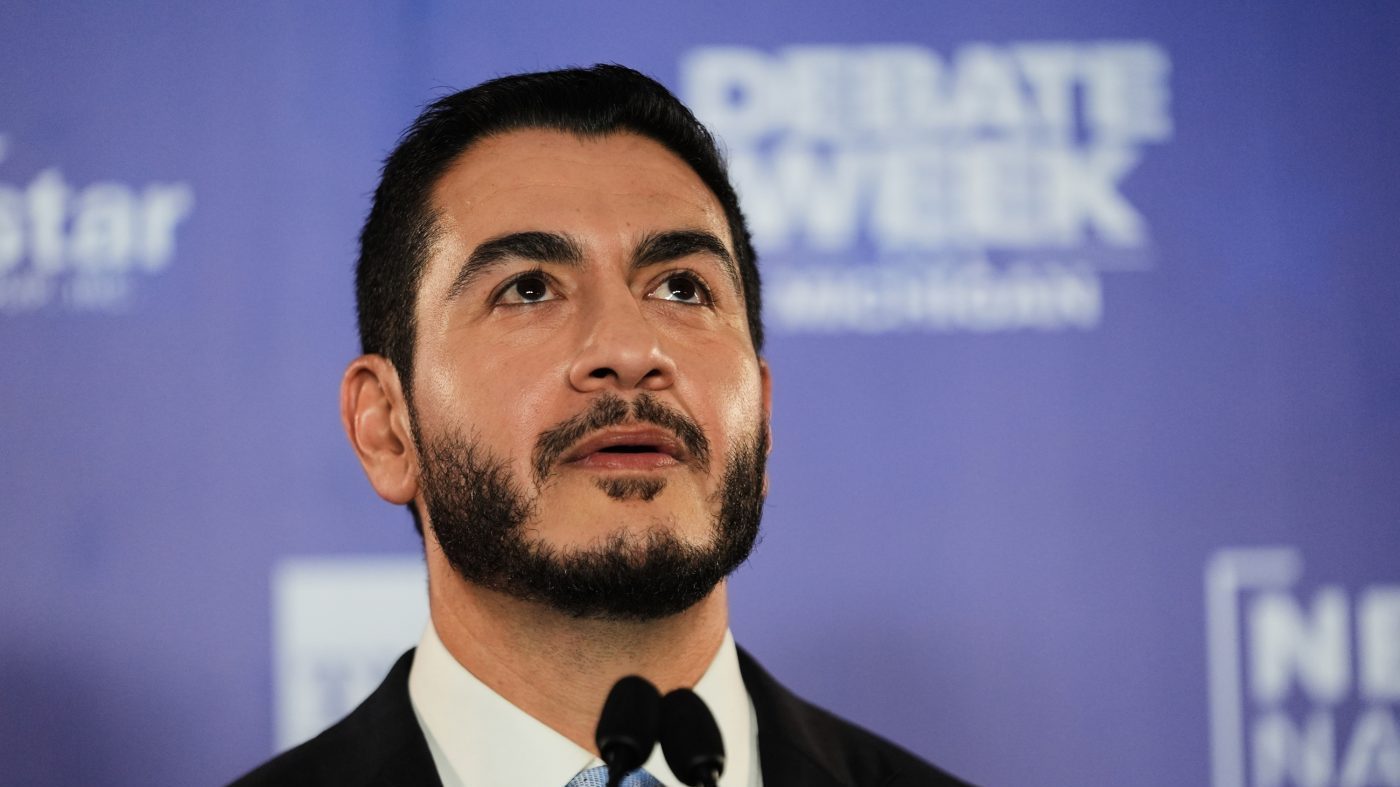
In Texas, Democrat James Talarico hauled in a staggering $60 million between July and September, while Sen. Jon Ossoff (D-Ga.) raised $33 million and Michigan Democrat Abdul El-Sayed collected nearly $31 million — each dwarfing their GOP rivals. Other Democratic candidates also outpaced their Republican opponents: former Ohio Sen. Sherrod Brown raised $23 million, Maine's Troy Jackson took in over $20 million, former Rep. Mary Peltola (D-Alaska) posted $14 million, and former North Carolina Gov. Roy Cooper raised $12.2 million.
Republicans, however, are countering with heavy outside spending. Musk donated $158 million to the Senate Leadership Fund (SLF), a super PAC aligned with Senate GOP leadership, which immediately transferred those funds to Texas PAC, a group backing GOP Senate nominee Ken Paxton. That infusion has made the Texas race one of the most expensive Senate contests in history, with over $500 million in total advertising spending or reservations, according to ad-tracking firm AdImpact.
Musk's America PAC also spent more than $76 million this quarter on battleground Senate and House races, including contests in Michigan, Texas, Alaska, and key House districts in Arizona and New York. His involvement marks a return to the political fray after a quieter period, and it's giving Republicans the financial firepower to stay competitive despite Democrats' strong grassroots fundraising.
Democratic candidates are also drawing support from high-profile donors. Vogue's Anna Wintour gave $5,000 to Talarico's joint fundraising committee, and several members of the Soros family contributed a combined $15,000. On the Republican side, Dallas Cowboys owner Jerry Jones and his son Stephen gave a combined $222,000 to Paxton's joint fundraising efforts, while Texas donor Farris Wilks added $250,000.
Former President George W. Bush and GOP strategist Karl Rove each gave to Sen. Susan Collins (R-Maine), while former Secretary of State Antony Blinken donated to Ossoff's campaign. Employees of AI firm Anthropic also gave to Ossoff, and the company's political action committee spent over $250,000 in the quarter, split nearly evenly between parties.
These filings, the last before Election Day, are fueling optimism among Democrats that they can close the financial gap that has often favored Republicans. But experts caution that super PAC spending and joint fundraising accounts can quickly shift the balance. As recent polls show Democrats ahead in key states, the money race is intensifying.
Meanwhile, Republicans are banking on Musk's involvement to energize their base and counter Democratic momentum. Turnout fears among GOP voters are growing, and the fundraising disparity is putting pressure on Republican candidates to rely on outside groups.
With control of the Senate hanging in the balance, both parties are pouring resources into battleground states. The latest Cook Report shifts show Democrats gaining ground in several House races, and the fundraising hauls suggest the party is well-positioned to compete in the closing weeks.