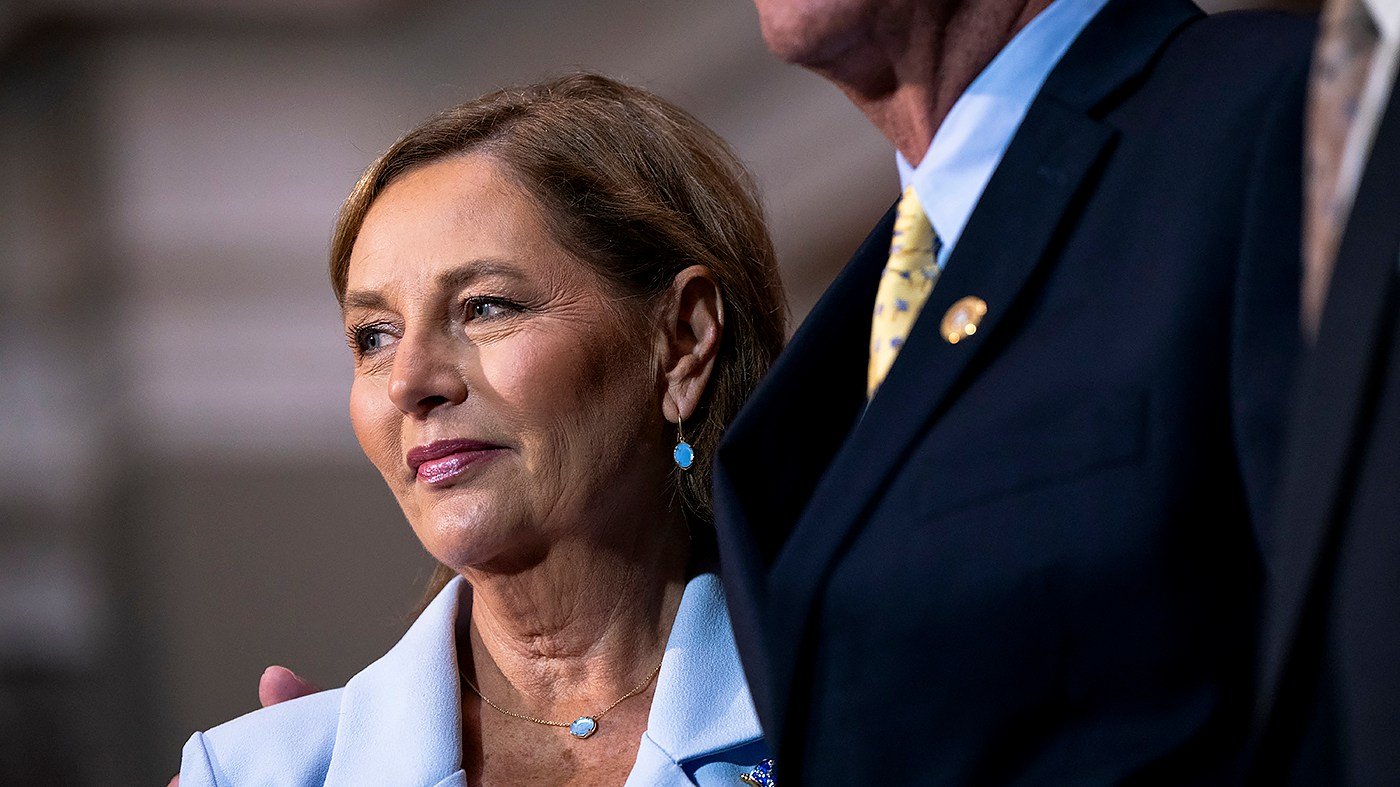
Sen. Darline Graham (R-S.C.) said Saturday she would rather maintain sanctions pressure on Russia, pushing back on President Trump's decision to waive penalties that were enacted through legislation bearing her late brother's name. Trump signed an executive order on Friday waiving sanctions on Russian energy, a move that undercuts the Lindsey O. Graham Sanctioning Russia and Iran Act, which Graham championed before her brother's death.
The sanctions were designed to squeeze Moscow economically and force an end to its war in Ukraine. Graham, who now holds the seat once occupied by her brother, told the Associated Press that while she is proud of the bill, she did not join other Republicans in sharply condemning the president's order. "The president and I share the same goal, which is to end the war, get gas and diesel prices down," she said. "The sanctions bill is one of the tools he can use to do that. It's up to him whether or not he chooses to use it."
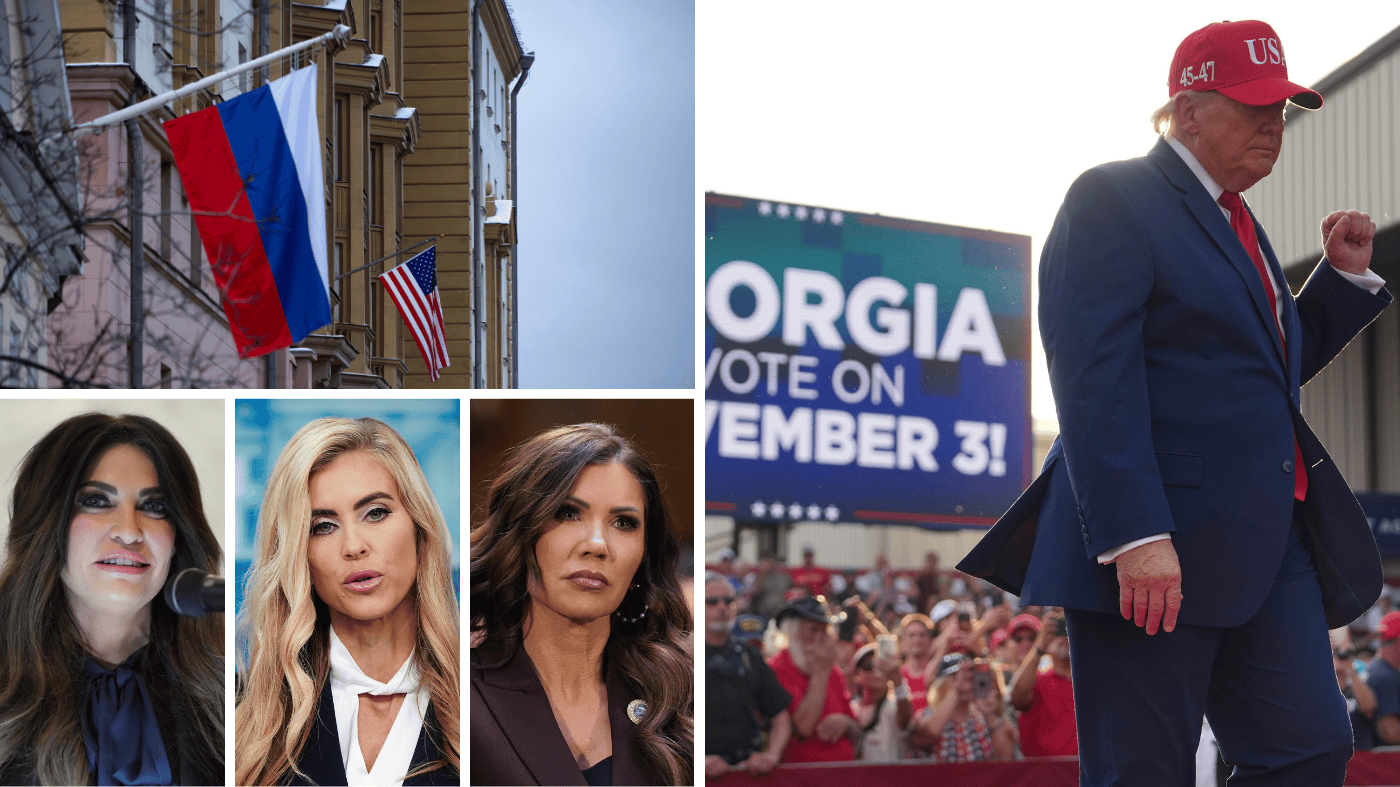
Still, Graham made her personal preference clear: "Personally, I would choose to keep the pressure on Russia ... because I don't trust Putin, and I don't trust Russia." Her comments come as bipartisan anger over the waiver mounts, with critics arguing it emboldens the Kremlin just as Ukraine faces renewed attacks.
Lindsey Graham, who died earlier this year, had fought to pass tougher sanctions, and the bill named in his honor passed with overwhelming bipartisan support. Darline Graham said the legislation "meant a lot to Lindsey," noting that he and Trump had a relationship where they could "agree to disagree sometimes."
Other Republicans have been less measured. Sen. John Cornyn (R-Texas), who lost renomination after Trump endorsed his opponent, wrote on X: "Lindsey would be appalled." The backlash has been bipartisan, with Democrats accusing Trump of handing Putin a lifeline. Senate Minority Leader Chuck Schumer called the waiver "a birthday gift to Putin," a sentiment echoed by Ukrainian President Volodymyr Zelensky, who condemned the move as Russia intensifies strikes on energy infrastructure.
Graham avoided direct criticism of Trump, but indicated she intends to raise the issue when he visits South Carolina for a rally next week. "I look forward to talking to him next week because he's gonna be in the state, so we'll probably sit down and, you know, we'll talk about this," she said. The meeting could provide a rare moment of intra-party negotiation, as Trump heads into the midterms with a firestorm over the waiver dominating political discourse.
The waiver has also stirred tensions over broader U.S. policy toward Russia and Ukraine, including disputes over Starlink access and diesel supplies. Trump's decision is seen by some as an attempt to lower energy prices at home, but critics argue it sacrifices long-term security for short-term political gain. As Graham put it, the sanctions are a tool, but whether to wield it remains a point of contention.