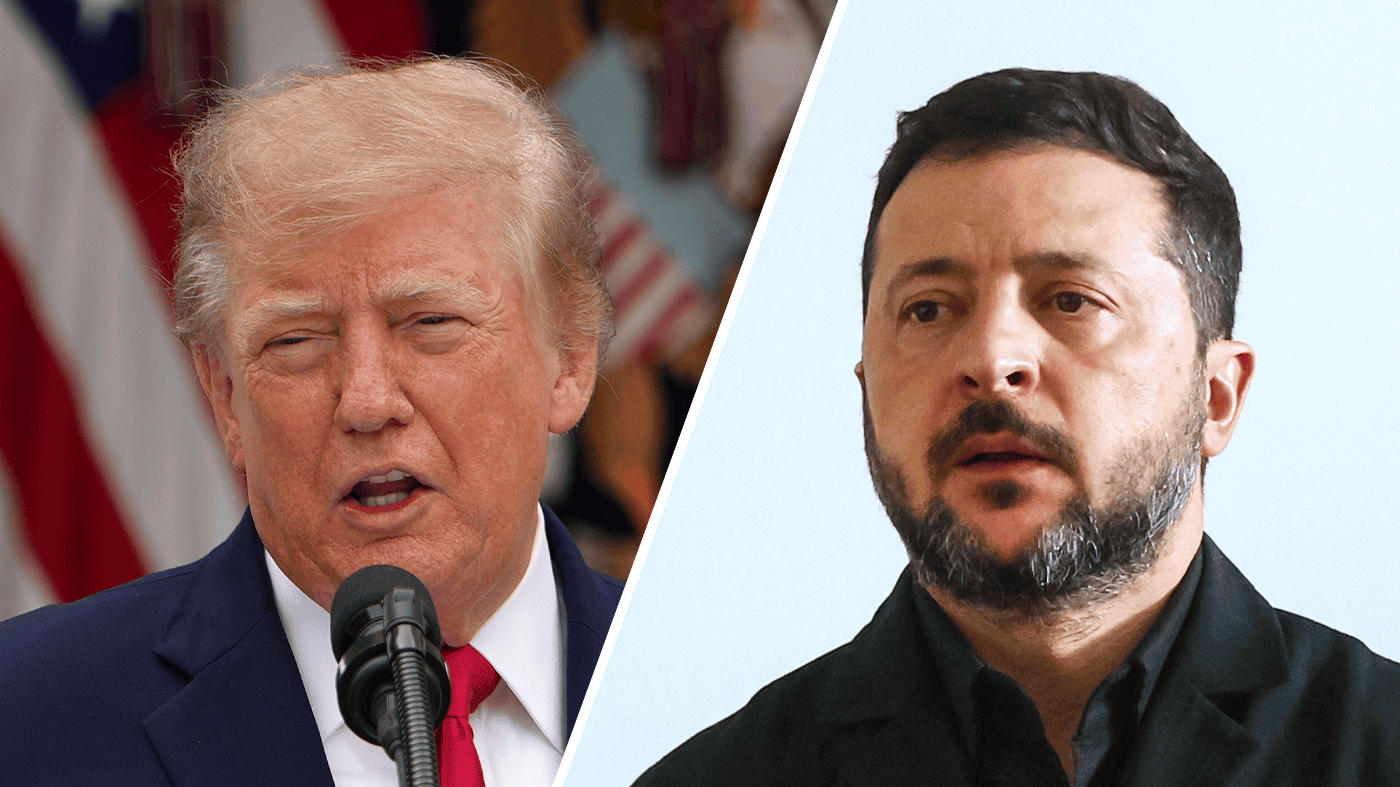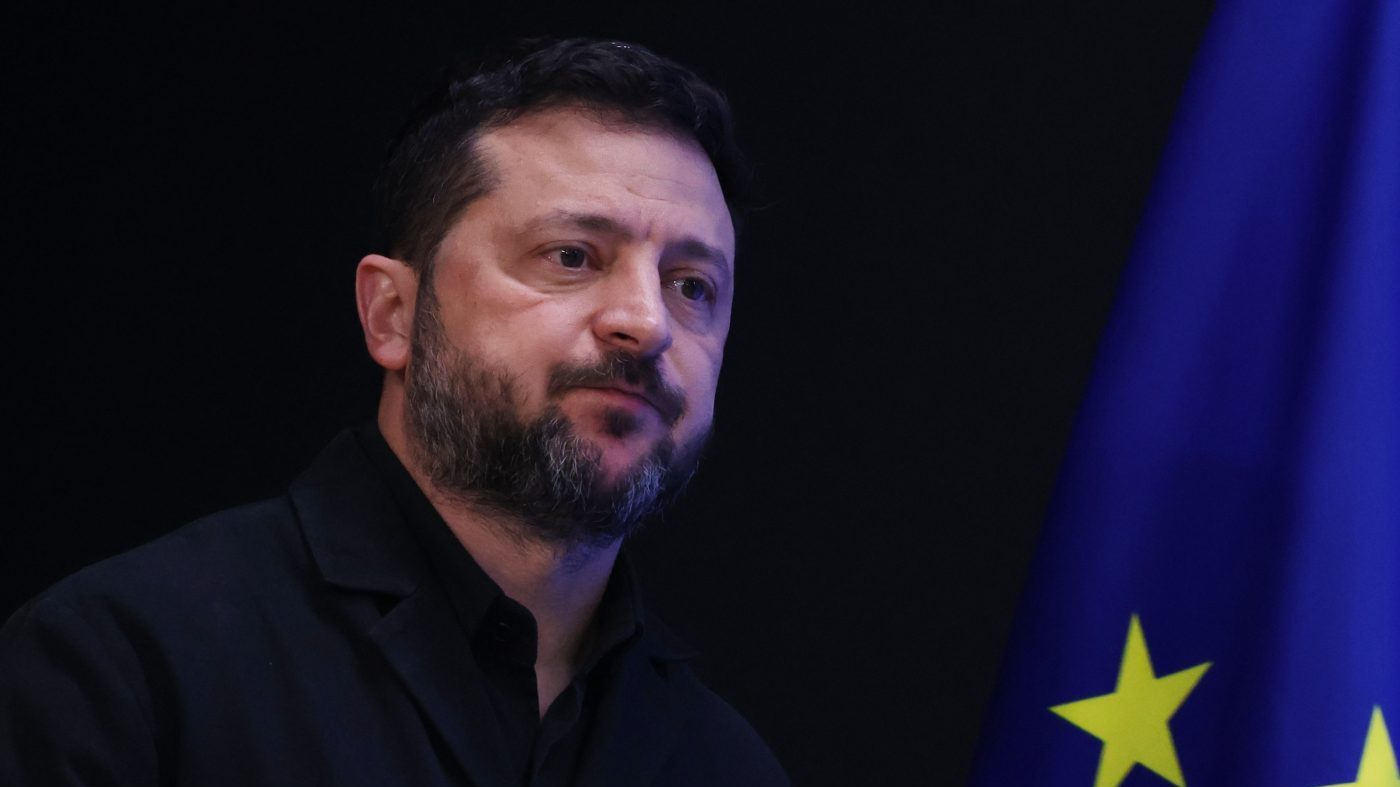
Ukrainian President Volodymyr Zelensky sharply criticized President Trump's late-night decision to waive sanctions and tariffs against Russia, just days before they were to take effect under a newly enacted law. In a statement posted to social platform X on Saturday, Zelensky said the move effectively disregards the Lindsey Graham Act, a sweeping sanctions package named after the late Republican senator, which was designed to impose severe economic pressure on Moscow.
"At a time when the Russians have carried out such a massive attack on our energy sector, a decision was unfortunately made in America to completely disregard the Lindsey Graham Act, which was supposed to impose truly effective pressure on Russia to bring this war to an end," Zelensky wrote. He added, "This Act could have helped enormously – and still can! But it needs to actually work, and every voice in support of it matters."
The legislation, signed into law by Trump last month, would have raised tariffs up to 100 percent on goods imported from the five largest purchasers of Russian fuel. The measure was intended to choke off revenue that fuels Russia's ongoing war against Ukraine.
On Friday night, Trump issued an executive order waiving the sanctions package, citing "the national interests of the United States." The move follows his decision last week to ease restrictions on Russian oil, allowing Moscow to "immediately" sell 300,000 tons of diesel to the U.S. and global markets.
The relief measures come as rising fuel costs, exacerbated by the Iran war, have pressured the Trump administration to address affordability concerns ahead of the midterm elections. Critics, however, argue that easing pressure on Russia undermines U.S. credibility and emboldens aggression.
Zelensky reported that Russia has "scaled up" attacks on Ukraine's energy infrastructure, launching over 320 attack drones in a 12-hour period starting Friday evening. He accused Moscow of "trying to cause a blackout in Ukraine" before winter, a tactic that has become a hallmark of Russia's military campaign.
"Pressure is needed to stop this," Zelensky said. "A U.S. sanctions blackout, easing pressure on the aggressor, financial rewards for Putin – all of this only encourages him to keep attacking." He urged continued resolve: "We must not give up ground. We must keep trying to end the war. To end it, not give Putin every reason to continue it indefinitely. I thank everyone who is truly fighting for peace and helping Ukraine!"
The waiver has sparked debate among U.S. lawmakers and allies. Some Republicans, including those eyeing the midterm political landscape, worry that the administration's approach could backfire. Others point to the administration's focus on domestic fuel prices, a key issue in battleground states like Michigan and Georgia.
Meanwhile, tensions between Washington and Kyiv have been further strained by disputes over technology and energy deals, as seen in recent clashes over Starlink and diesel agreements. The sanctions waiver is likely to deepen the rift, with Zelensky warning that it rewards Putin and prolongs the conflict.
As the war enters another winter, the effectiveness of international pressure on Russia remains uncertain. Zelensky's plea underscores the fragility of Western unity and the high stakes of U.S. policy decisions on the ground in Ukraine.