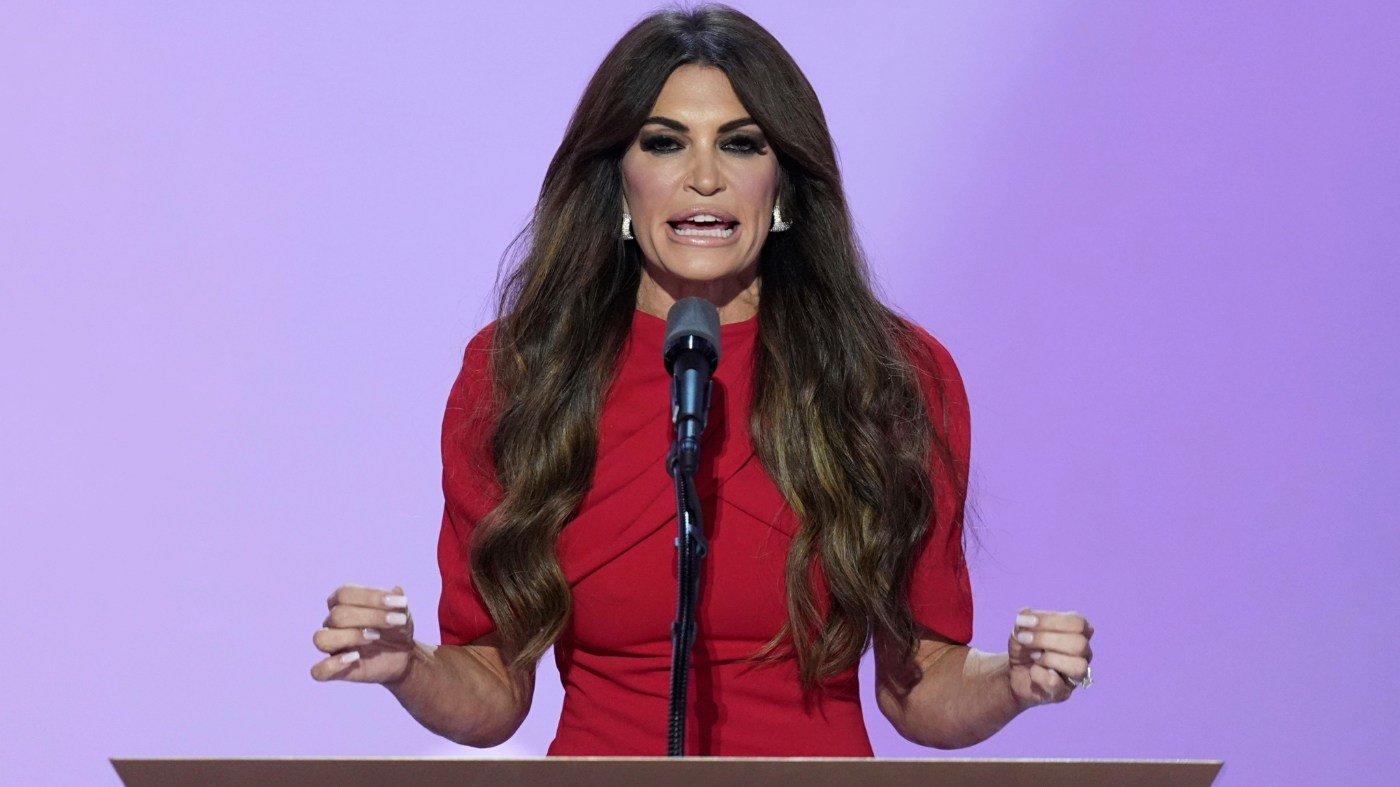
The swift downfall of Kimberly Guilfoyle, who resigned as ambassador to Greece after a series of damaging ethics reports, has cast a fresh spotlight on the transactional culture that pervades President Trump's inner circle. Her departure, announced last week, was framed by the White House as a routine personnel change, but the circumstances surrounding it tell a far more troubling story.
Guilfoyle, once engaged to Donald Trump Jr., was forced out after reports emerged that she had solicited a $100,000 payment from a Trump donor to cover her personal American Express bill. Eric Deters, the donor, told The Wall Street Journal that Guilfoyle made the request just before her Senate confirmation hearing in July 2025, asking that the funds be wired in a way that would avoid a paper trail. In text messages later provided to The New York Times, Guilfoyle promised to be Deters's "ride or die in Trump world" in exchange for the money, boasting that she had direct access to every cabinet secretary and the IRS commissioner.
Guilfoyle's resignation comes amid a broader pattern of alleged influence peddling and conflicts of interest within the administration. Last year, Trump raised over $2 billion, with more than half coming from cryptocurrency interests, even as his administration gutted the industry's primary regulator. His sons stand to benefit from a billion-dollar tungsten mining venture in Kazakhstan that is set to receive up to $1.6 billion in federal financing. Trump Jr. also sits on the board of GrabAGun, a company that sells ammunition and gun accessories online, and which would benefit from proposed regulatory changes allowing firearms to be shipped directly to consumers.
The White House has denied any connection between these business dealings and policy decisions, but critics remain skeptical. "Corruption, conflict of interest and influence peddling are nothing new in the Trump administration," said James D. Zirin, a former federal prosecutor. "Guilfoyle's case is just the tip of the iceberg."
Guilfoyle's own history is checkered. She was married to California Governor Gavin Newsom before their divorce in 2006, and she later became a prominent Trump ally, speaking at the 2020 and 2024 Republican National Conventions. Her personal life, including her engagement to Trump Jr. and his subsequent marriage to Bettina Anderson, has been a tabloid staple. In a social media post, Guilfoyle vowed to "vigorously defend my name, my reputation, and my integrity."
But her case is hardly isolated. The same week Guilfoyle resigned, a Turkish businessman with ties to the Maduro regime in Venezuela married Alina Habba, Trump's former personal lawyer. Turhan Mildon, 29, who is seeking to preserve a lucrative cement contract in Venezuela, has openly acknowledged the importance of connections over expertise. "In my grandfather's time, know-how was very important," Mildon told Forbes Turkey. "Now, know-who is important."
White House officials insist that Habba has not discussed her husband's business dealings with Trump, but her close relationship with the president and recent visits to the Oval Office raise questions. As Trump's approval ratings sink to 31% and Democrats widen their midterm lead, corruption could become a defining issue of the 2026 campaign. Recent polling suggests voters are paying attention, and Democrats are eager to make the case that Trump's Washington is a swamp of self-dealing and ethical lapses.
For now, Guilfoyle's resignation may be dismissed as the departure of a minor figure, but the broader pattern of corruption is impossible to ignore. As Trump's week of chaos continues, the question is whether voters will hold the administration accountable. Even some Republicans are voicing concerns, though the president shows no signs of changing course.