HONOLULU — Hawaii Governor Josh Green on Friday signed House Bill 1881 into law, permanently blocking a controversial proposal to build a gondola on Oahu’s North Shore and prohibiting similar private aerial ropeways statewide.
The new measure bars construction of private passenger or cargo ropeways—including gondolas, cable cars, ski lifts, and aerial tramways—across the islands. Only government entities can seek exemptions, and only with explicit approval from the state Legislature.
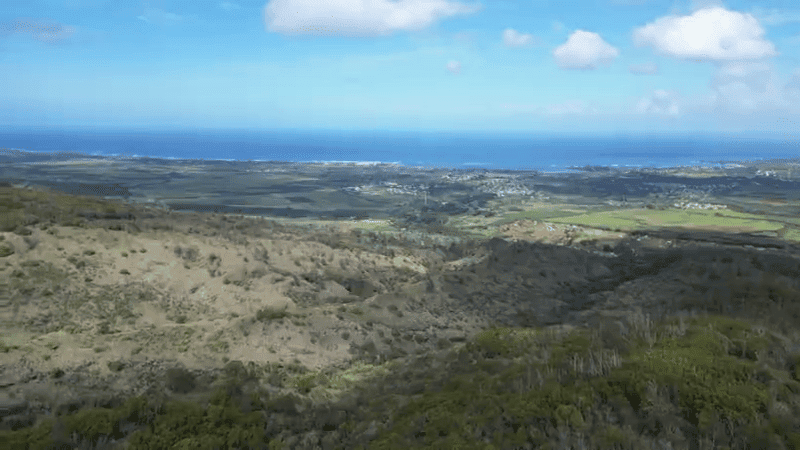
The legislation, introduced by North Shore Representative Sean Quinlan, was a direct response to plans for a gondola at Kaukonahua Ranch on the slopes of Mount Ka‘ala. That project had drawn years of fierce opposition from residents, Native Hawaiian cultural practitioners, environmental advocates, and community organizations who argued it would damage culturally significant sites, the natural landscape, and agricultural land.
“I think this is a big win for local communities,” Quinlan said after the signing. “This is a big win for Native Hawaiian self-determination, and I think it’s a strong message that people from lord knows where can’t come to Hawai‘i and build lord knows what.”
Quinlan added: “We don’t want these gondolas, ski lifts taking people up the side of mountains because it’s not an appropriate use of land. It is a blight on our natural landscape and it’s an invitation for people to create more theme parks.”
The law’s enactment was met with celebration from community activists who had fought the proposal for years. North Shore Neighborhood Board Vice Chair Racquel Achiu expressed relief and pride. “We’re elated,” she said. “It really shows that when your community comes together and stands strong, things can happen. You can impact it, and you can have a say in what your future is in the place that you live.”
Earlier this week, Honolulu’s Department of Planning and Permitting issued an 80-page reconsideration of the project’s 2019 Conditional Use Permit, concluding that the gondola was not accessory to agricultural activity and is no longer permitted. While agricultural portions of the project remain conditionally approved, the aerial tramway itself is now dead.
The advocacy group Keep the North Shore Country praised the governor’s action as a victory for community advocacy and responsible land stewardship. The organization thanked Green, Quinlan, the Honolulu City Council, neighborhood boards, the Kupa‘a Ka‘ala Alliance, and residents who opposed the project, saying officials “stepped up to correct the error of the 2019 approval.”
Achiu warned that future development proposals on the property will still face intense public scrutiny. “The North Shore has been under siege for years,” she said. “We have developers at every turn eating up our ag lands… You can’t come in here and buy ag land, assuming you’re going to be able to do whatever you want. You’ll be held to compliance and appropriate stewardship.”
A representative for Kaukonahua Ranch declined to comment when reached by KHON. The decision comes amid broader debates over land use and development in Hawaii, where similar tensions have played out in other states—such as an Ohio GOP governor breaking with Trump over Haitian TPS—though the issues here center on local control and environmental preservation.
The law marks a significant shift in Hawaii’s approach to development, prioritizing community input and cultural values over commercial projects. As the state grapples with balancing growth and preservation, this decision sets a precedent for future land-use battles.