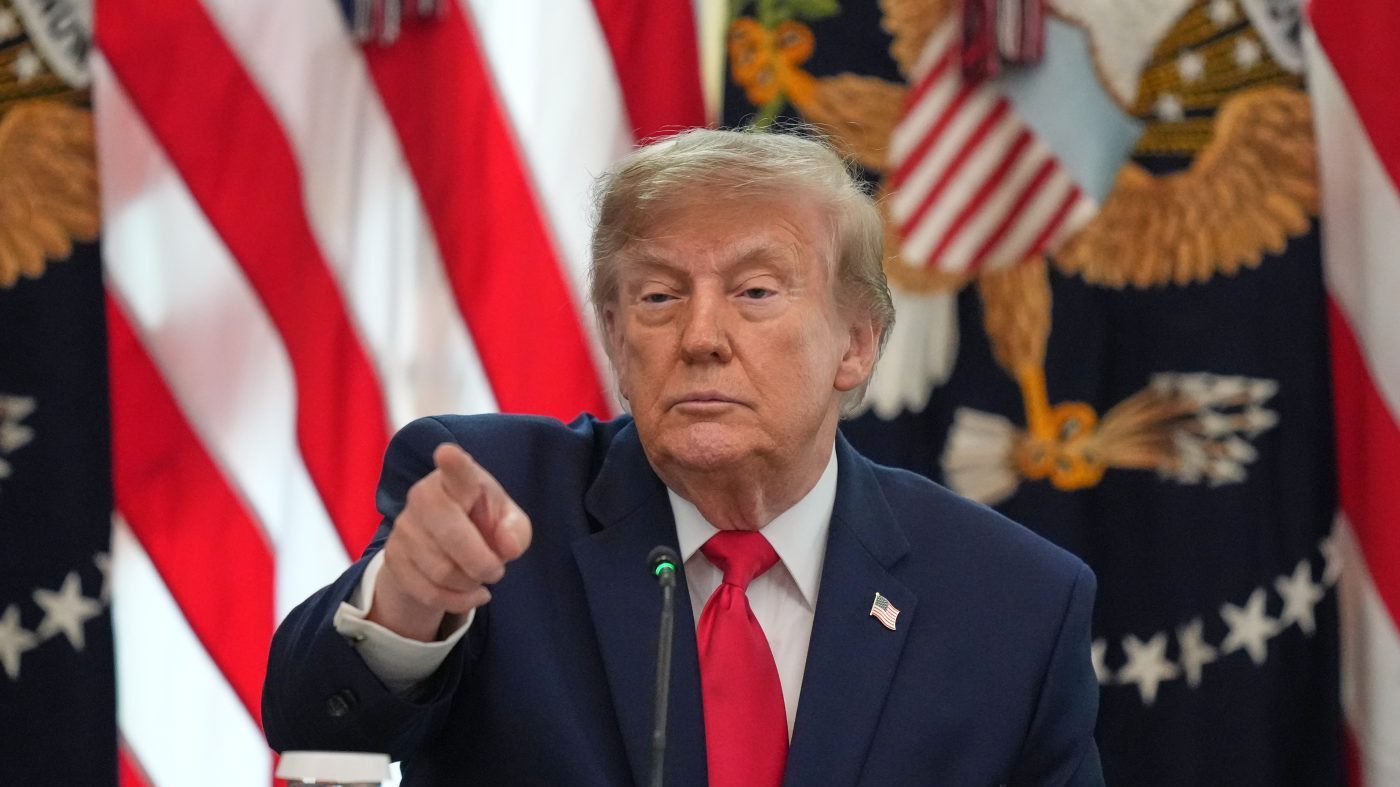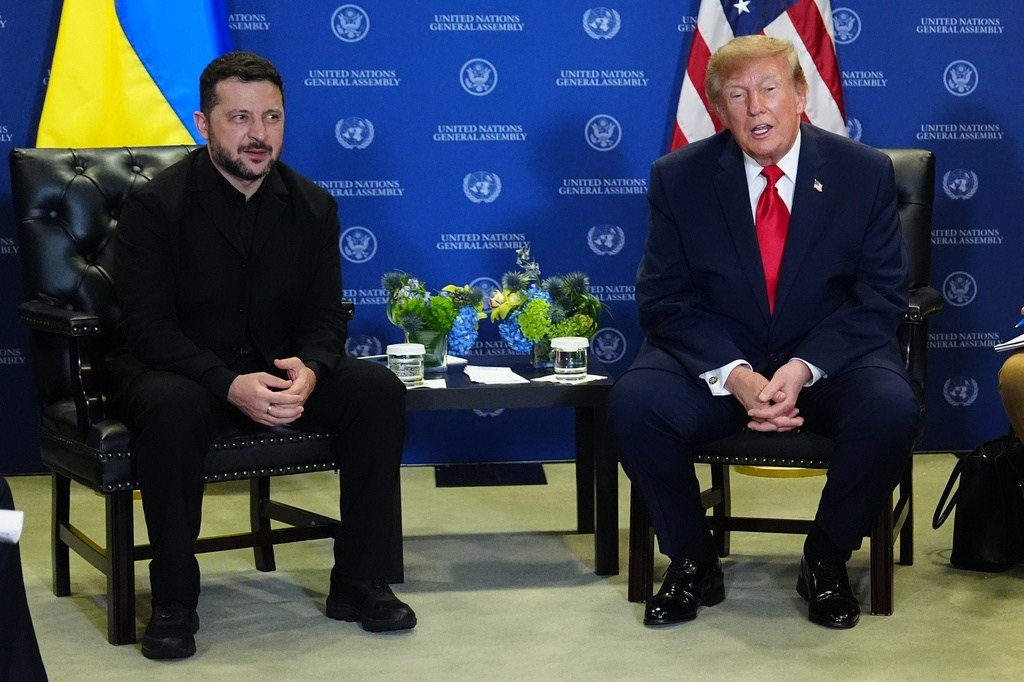
In a dramatic about-face, President Trump has reversed U.S. policy toward Ukraine, canceling sanctions that were enacted just weeks ago under legislation crafted by the late Republican Senator Lindsay Graham. The move, which also includes scrapping other sanctions in place since Russia's 2022 invasion, has raised legal questions about executive authority and sparked concerns among allies.
Trump has also halted the sharing of intelligence on Russian ballistic missile launches targeting Ukrainian cities, a decision that has reportedly led to civilian casualties because Ukraine lacked early warning. Additionally, he and Elon Musk have been accused of partially blocking Starlink terminals vital to Ukrainian defense, though both deny responsibility.
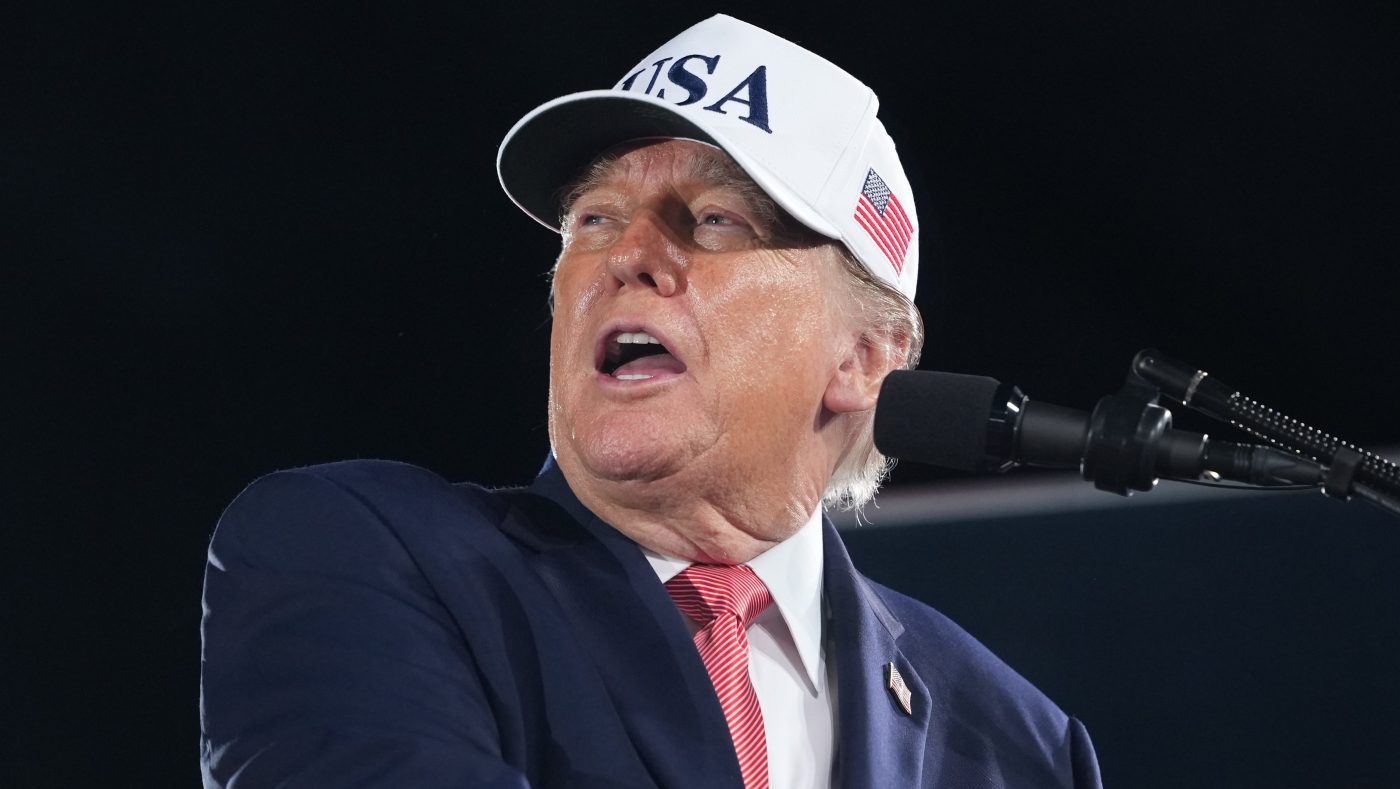
Justifying these actions as serving vaguely defined American interests, Trump has insisted they will hasten an end to the war. Central to his strategy is a demand for Ukraine to hold new elections to replace President Volodymyr Zelensky—a call that critics say ignores both the Ukrainian constitution and the grim realities on the ground.
Election Demand Unconstitutional
Professor David A. Super, who recently taught at Ukrainian Catholic University, argues that Trump's demand violates Ukraine's constitution, which prohibits elections under martial law—a condition in effect since February 24, 2022. Zelensky, elected in 2019 with 73% of the vote, remains popular despite criticisms of his wartime leadership.
Super notes that even among Zelensky's harshest critics in Ukraine, no one advocates for elections now. The logistical and security challenges are overwhelming: millions of citizens under Russian occupation cannot vote, refugees abroad face participation hurdles, and frontline soldiers cannot cast secret ballots. Moreover, Russia's systematic targeting of civilian gatherings makes polling places death traps.
Zelensky Not the Obstacle
The premise that Zelensky blocks peace is flawed, Super argues. The Ukrainian people themselves are the barrier to capitulation. Any leader who accepted Trump's terms would likely be driven from office by mass protests. Russia's goal, he emphasizes, is not just territory but Ukraine's annihilation, as evidenced by its 2022 attempt to seize Kyiv and Kharkiv.
Super draws a historical parallel to the Munich Agreement, where Czechoslovakia surrendered its border defenses and was conquered six months later. He warns that any peace conceding Ukrainian land would merely allow Russia to rearm for another invasion. Russia has already demanded Ukraine surrender its strongest fortifications as a precondition for talks.
The U.S. has a history of pressuring Ukraine on security matters, including the 1994 Budapest Memorandum, where Ukraine gave up its nuclear arsenal in exchange for security assurances. That promise now rings hollow as Trump's policy shifts.
Trump's actions have broader implications for U.S. credibility and the balance of power in Europe. As Russia continues missile strikes, the halt in intelligence sharing compounds the danger. Critics also note the irony of Trump's diesel purchase talk, which aligns with concerns about diesel prices tied to the conflict.
Ultimately, Super concludes that holding elections now would deprive Ukrainians of their postwar choice, as they regard Zelensky like the British viewed Churchill—a wartime leader not necessarily suited for peace. The demand, he says, is both unconstitutional and dangerously out of touch with the reality of Russia's existential threat.