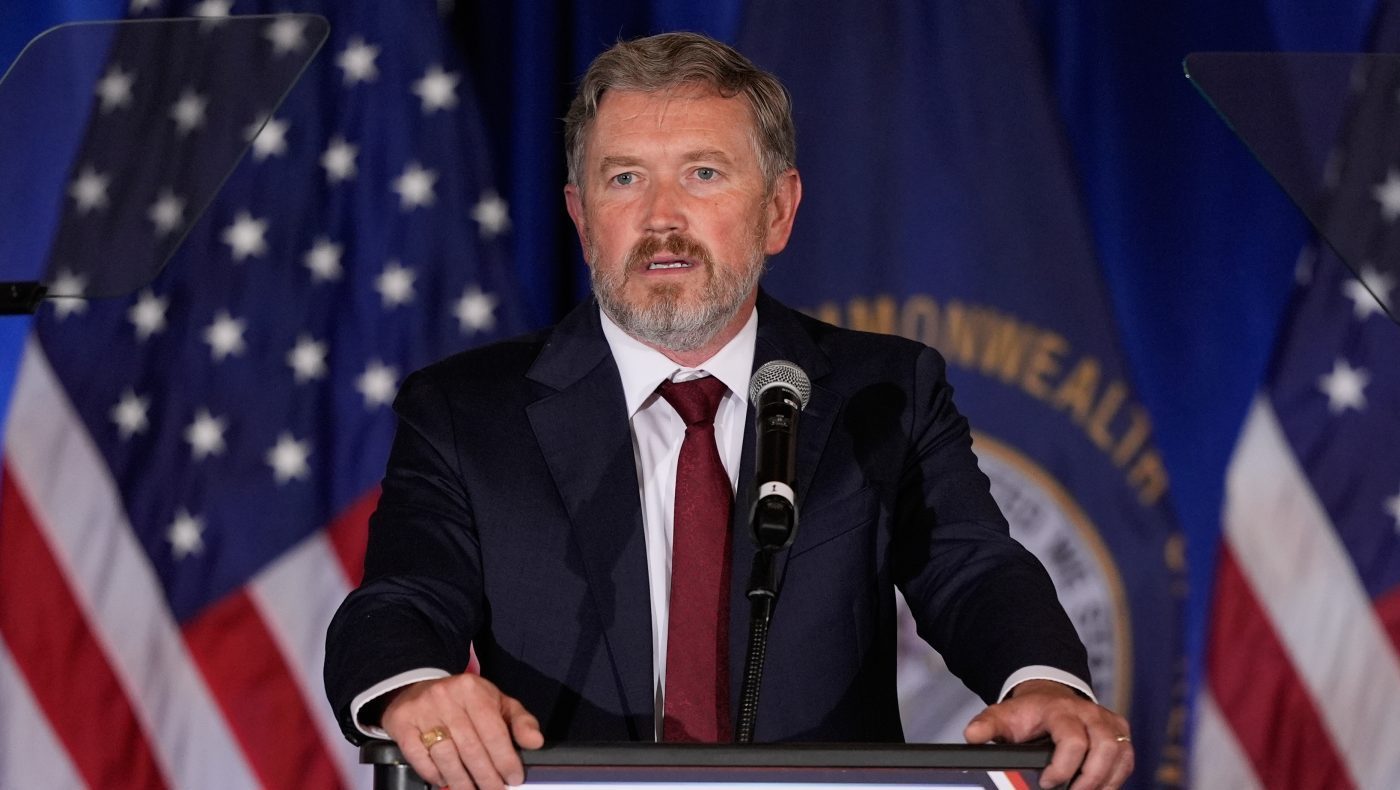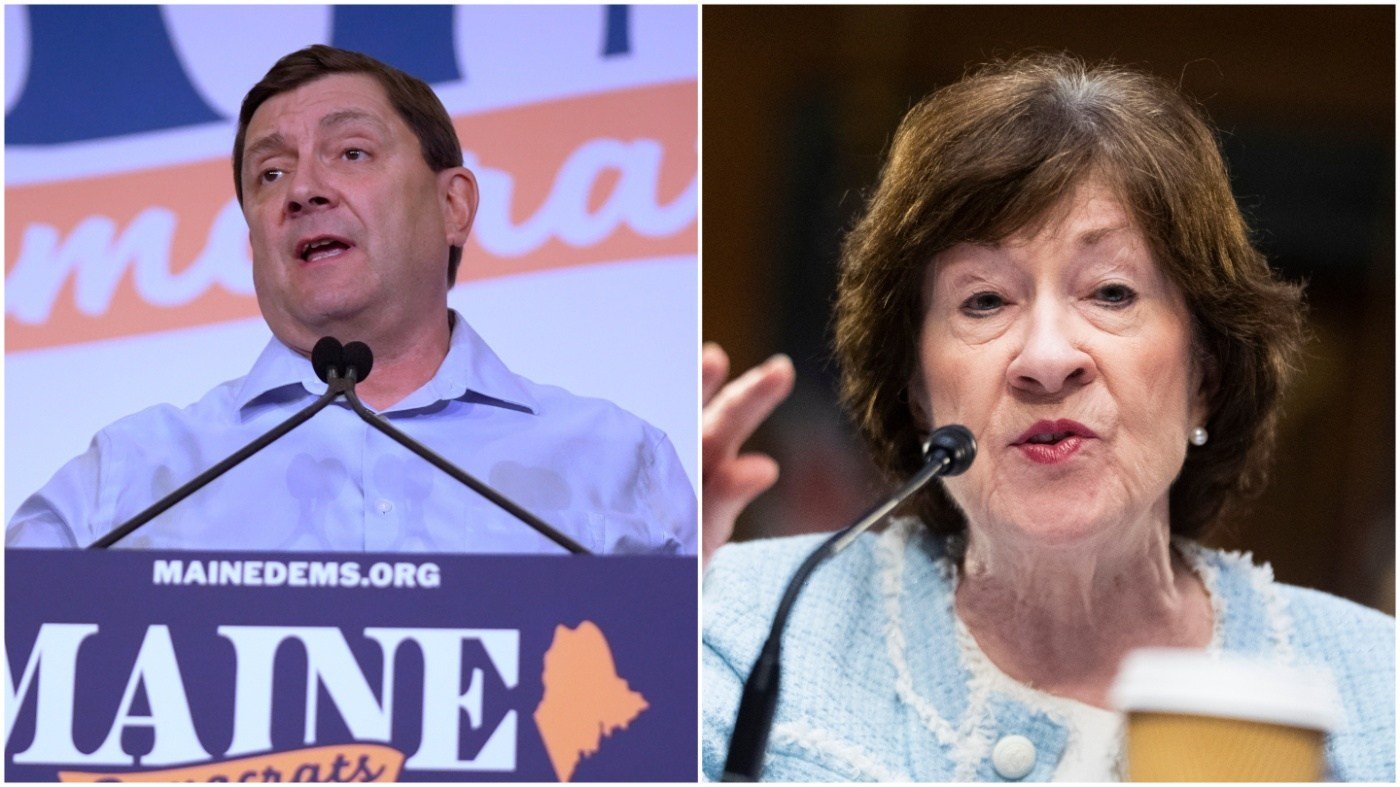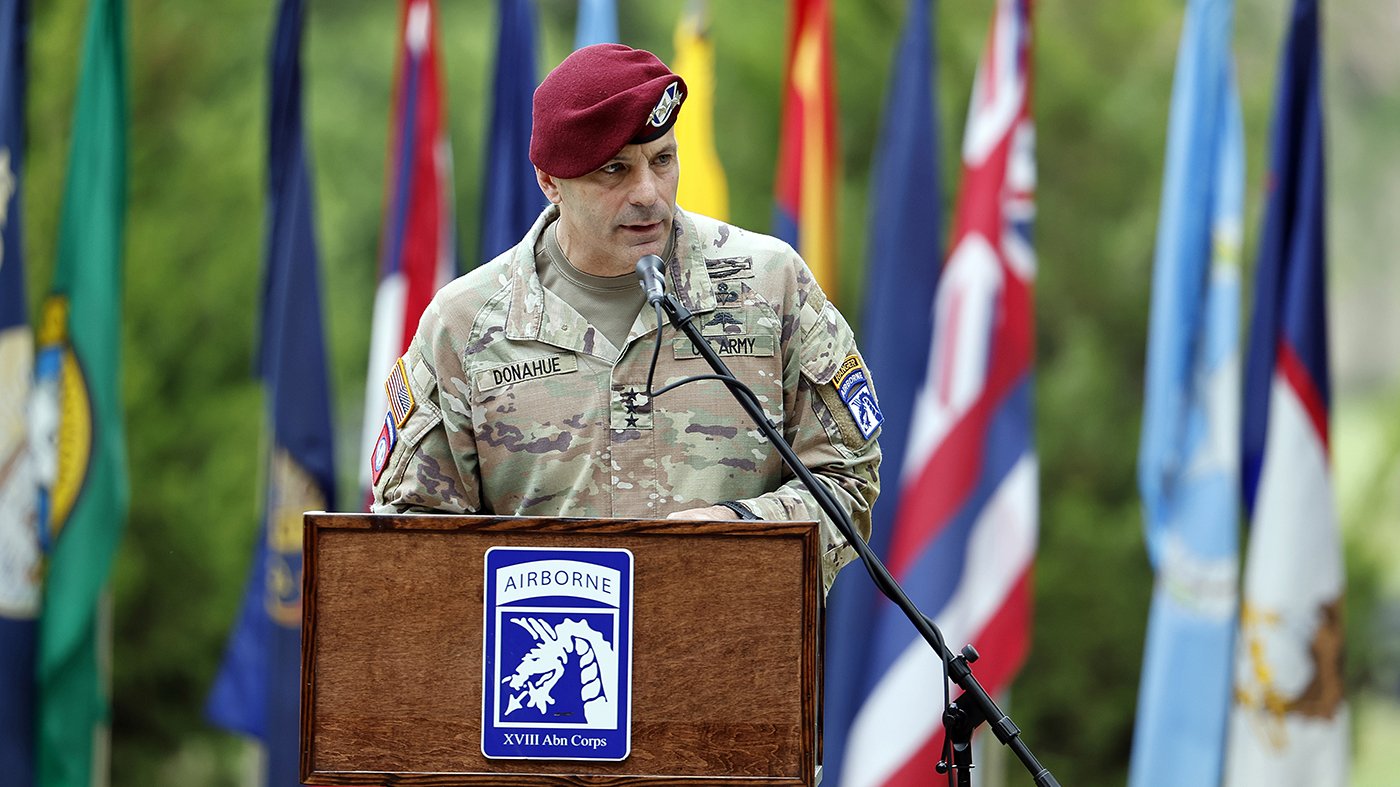
Republican lawmakers are sharply divided over Defense Secretary Pete Hegseth’s decision to remove Gen. Chris Donahue, the U.S. Army Europe and Africa commander, with some accusing the former National Guard officer of destabilizing the Pentagon and pushing out a decorated military leader.
While all GOP members praised Donahue, a former Army Ranger and Delta Force commander seen as a rising star, the reactions to his ouster reflect deeper tensions within the party over Hegseth’s leadership style. Some lawmakers, like Sen. Thom Tillis (R-N.C.), have been particularly critical. Tillis, who is retiring at the end of his term, called the firing an “unforced error” and accused Hegseth of running the Pentagon with “bro-culture bravado” rather than restraint.
“Strong leaders are not threatened by accomplished commanders. Weak ones are,” Tillis wrote on X. “His paranoid micromanagement of senior military leaders and promotion lists is pure insecurity dressed up as reform.” Tillis argued that Hegseth is more focused on purging perceived disloyal officers than empowering proven patriots, adding that the Pentagon deserves “steady, serious civilian leadership.”
But other Republicans urged caution. Rep. Clay Higgins (R-La.), a member of the House Armed Services Committee, said it’s too early to judge. “I don’t automatically presume some improper decision was made by chain of command when somebody is let go,” Higgins told The Hill. He argued that the Pentagon has historically been too quick to promote officers rather than remove underperformers, and that Hegseth’s willingness to make tough calls should be respected.
Since taking over the Pentagon last year, Hegseth has removed or pushed out more than two dozen senior military leaders, including Gen. CQ Brown, the former chairman of the Joint Chiefs of Staff; Navy Adm. Lisa Franchetti; Coast Guard Commandant Adm. Linda Fagan; and Army Chief of Staff Gen. Randy George. Most were dismissed with little explanation, as Hegseth and his allies argue the senior ranks have become overly bureaucratic. He has also blocked promotions in the Army, Navy, and Air Force, claiming the Biden administration unfairly promoted some officers while sidelining more qualified candidates.
The dismissals have sparked bipartisan concern, with lawmakers demanding more transparency. Earlier this month, the House Armed Services Committee adopted a provision in the annual National Defense Authorization Act requiring the Pentagon to inform Congress in writing within five days when senior officers are fired. The move comes amid growing frustration with Hegseth’s opaque decision-making, which some see as undermining military morale.
Donahue, who commanded the 82nd Airborne Division and played a key role in the chaotic evacuation of Kabul airport during the U.S. withdrawal from Afghanistan, submitted his retirement paperwork after about 18 months in the role. He will relinquish command on July 2, with his deputy, Maj. Gen. Christopher Norrie, taking over. According to a U.S. official, Army Secretary Dan Driscoll had advocated for Donahue to become Army chief of staff after George was ousted, but Hegseth directly ordered Donahue’s retirement shortly after George was fired on April 2.
Donahue enjoyed broad bipartisan support in Congress and was seen as a potential future leader of the Army. The official described him as having “boundless energy” and a willingness to mentor younger soldiers. His departure adds to the growing list of senior officers pushed out by Hegseth, raising questions about the Pentagon’s leadership pipeline and the administration’s broader approach to military reform.