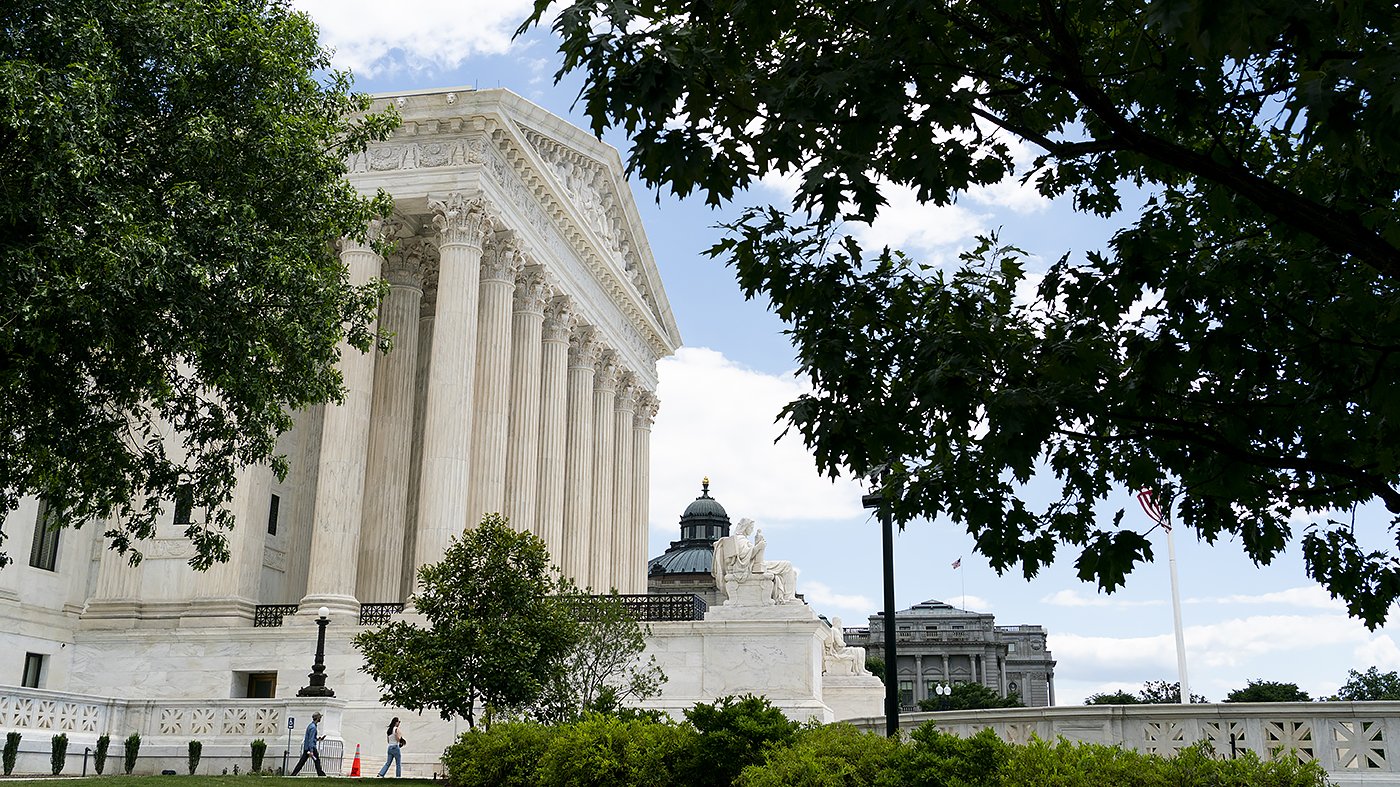
The Supreme Court handed the Trump administration a major victory Thursday morning, ruling that the government may strip Temporary Protected Status (TPS) from nationals of Haiti and Syria. The decision opens the door to mass deportations affecting more than a million people who have lived and worked in the United States under the humanitarian program.
TPS, created by Congress in 1990, shields citizens of designated countries from deportation and grants them work authorization when their home nations are deemed unsafe due to armed conflict, environmental disaster, epidemic, or other extraordinary circumstances. The Department of Homeland Security secretary holds the authority to designate or terminate a country’s TPS status.

Thursday’s ruling specifically addressed challenges to the Trump administration’s attempts to end TPS for Haiti and Syria, two of the largest beneficiary groups. The high court’s decision clears the way for the administration to proceed with its plan, which had been tied up in litigation for years.
Critics argue that the ruling upends the lives of hundreds of thousands of people who have built families, careers, and communities in the U.S. under the program’s protections. Many TPS holders from Haiti and Syria have lived in the country for over a decade, and advocates warn that returning them to unstable or dangerous conditions violates humanitarian principles.
“This is a devastating blow to families who have contributed to our economy and society,” said one immigration attorney involved in the case. “The court has essentially given the administration a green light to deport people to countries still grappling with violence and disaster.”
Supporters of the administration’s policy contend that TPS was intended as a temporary measure and that prolonged designations undermine the rule of law. They argue that the program has been abused by previous administrations and that the decision restores proper executive discretion over immigration enforcement.
The ruling comes as the U.S. immigration system faces a record backlog of more than three million pending cases. The European Union’s recent overhaul of its asylum procedures has been cited by some policymakers as a potential model for managing the U.S. crisis, but no comparable reforms have gained traction in Congress.
Homeland Security Secretary Mullin, who has faced sharp questioning from lawmakers over the administration’s deportation policies, is expected to face renewed scrutiny in the wake of the ruling. Mullin’s appearance before a House committee next week will likely focus on the practical implications of the TPS termination and the agency’s capacity to carry out mass removals.
Advocacy groups have vowed to continue fighting the decision through other legal avenues and to push for legislation that would grant TPS holders a path to permanent residency. But with a divided Congress and the administration emboldened by the court’s ruling, the outlook for legislative relief remains uncertain.
The administration has not yet announced a timeline for implementing the TPS termination, but officials have signaled that removals could begin within months. For now, more than a million people who have called the United States home under TPS protections face an uncertain future.