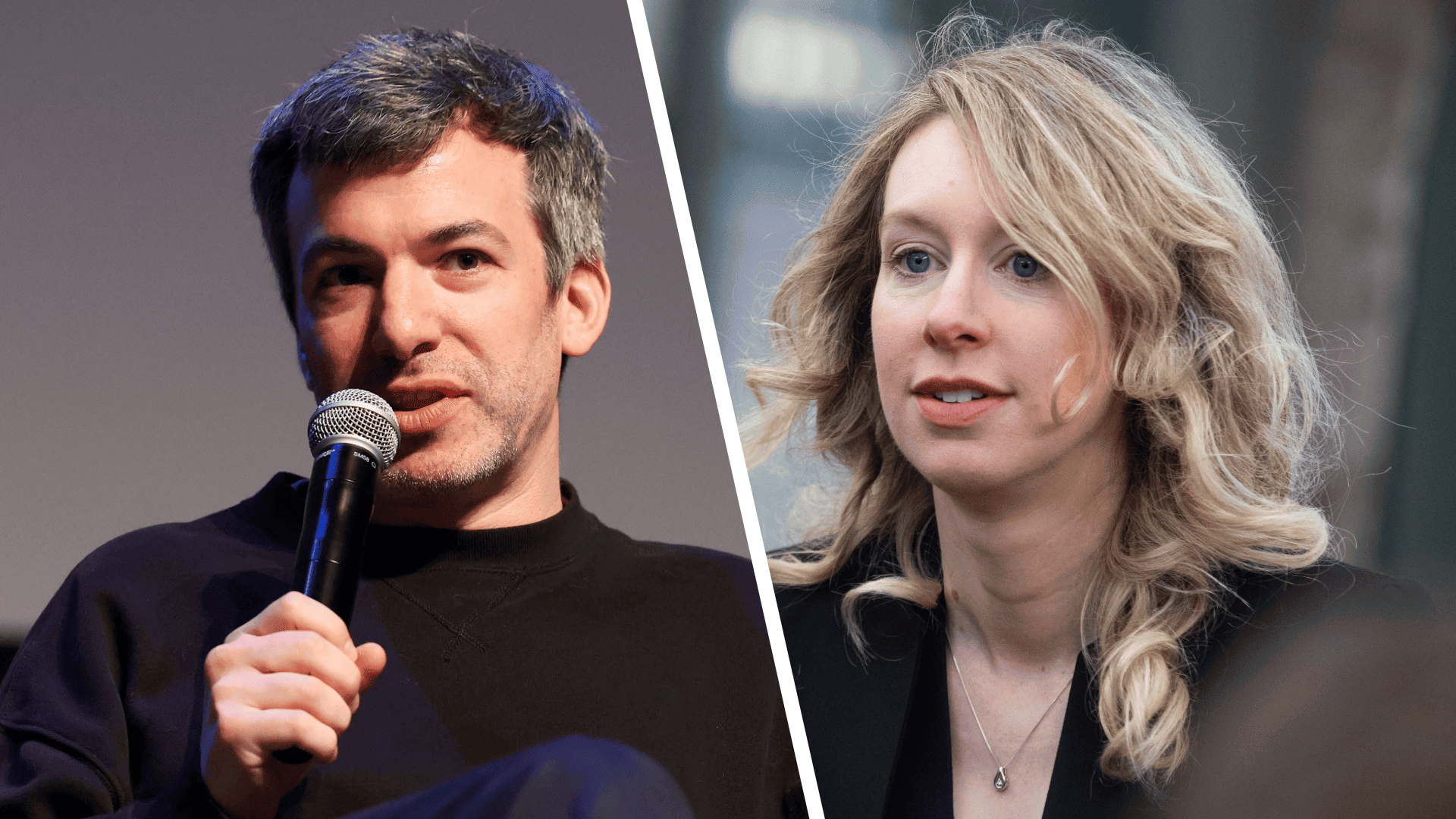
The release of You Can See Everything, a nearly three-hour documentary on Elizabeth Holmes directed by Nathan Fielder and Lance Oppenheim, has drawn attention not just for its intimate portrayal of the disgraced Theranos founder, but for the questions it leaves hanging. The film, which hit theaters on Friday, Oct. 16, offers a rare glimpse into Holmes's life before she reported to prison, yet it stops short of answering some of the most pressing queries about her case.
One of the film's most striking elements is Holmes's decision to allow cameras to capture her and her family in the months leading up to her incarceration. This level of access, unprecedented for a figure who has largely avoided public scrutiny since her conviction, raises immediate questions about her motives. Was she seeking to control her narrative, or was she genuinely trying to provide a window into her world? The documentary does not explicitly resolve this, leaving viewers to interpret her cooperation.

The film also touches on the broader implications of Holmes's story, including the culture of Silicon Valley that enabled her rise. Fielder and Oppenheim, known for their unconventional storytelling approaches, weave together interviews and archival footage to paint a complex portrait. However, critics have noted that the documentary avoids delving into the specifics of the fraud that led to her conviction, focusing instead on the personal and psychological dimensions of her story.
Legal experts following the case have pointed out that the documentary's timing—released just as Holmes began her prison sentence—adds another layer of intrigue. Some have suggested that the film could influence public perception of her culpability, especially as she pursues appeals. Yet, the documentary does not engage with the legal proceedings in any depth, leaving those details to the court records and news coverage.
For readers tracking the intersection of technology and justice, the film's release coincides with other recent controversies, such as the suspension of a conservative account on Meta, which has sparked allegations of bias ahead of the midterms. While unrelated, these stories highlight the ongoing tension between powerful individuals and the systems that hold them accountable.
In the end, You Can See Everything provides a compelling, if incomplete, look at Elizabeth Holmes. It succeeds in humanizing a figure often vilified in the press, but it leaves audiences with more questions than answers. Whether that is a deliberate artistic choice or a missed opportunity remains a matter of debate. What is clear is that Holmes's story, like the documentary itself, is far from over.