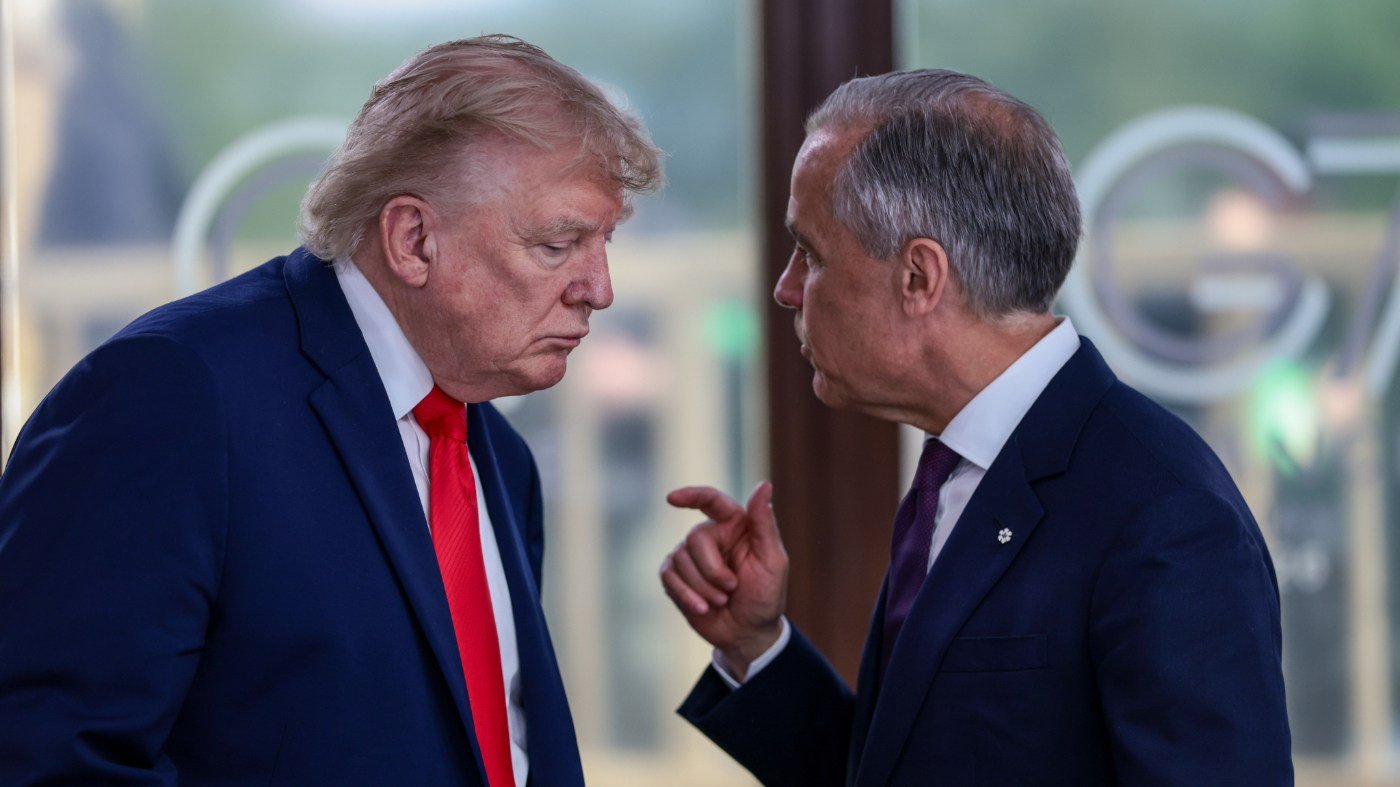
The legal battle over President Trump's latest tariffs on Canadian goods has opened a new front in the fight over presidential trade authority. On October 20, the Liberty Justice Center filed a lawsuit on behalf of Gellert Global Group, a major American food importer, contesting the administration's reliance on a rarely used provision of the Tariff Act of 1930 to impose duties on products from Canada.
The case, which centers on Section 338 of that act, has thrown a spotlight on a glaring gap in U.S. trade law—one that courts may be powerless to close, but that Congress can no longer ignore. At its heart is a simple but thorny question: Can lawmakers meaningfully constrain presidential tariff powers when an older, less restrictive statute offers a workaround to achieve the same ends?

Two Statutes, Overlapping Powers
Section 338 was designed to counter foreign discrimination against American commerce, allowing additional duties of up to 50 percent when a country imposes unequal treatment on U.S. goods. The duties must be calibrated to offset the burden placed on American businesses. By contrast, Section 301 of the Trade Act of 1974 is broader, covering unreasonable, unjustifiable, or discriminatory practices that restrict U.S. commerce. While the two statutes overlap in cases of discrimination, they are far from interchangeable.
Congress built extensive procedural safeguards into Section 301: the U.S. Trade Representative must investigate, consult with the foreign government, invite public comment, hold hearings, and make findings within set deadlines. Remedies must be proportional to the harm, and actions are subject to periodic review. Section 338, however, lacks these checks. It has some limits—requirements on discrimination, offsetting duties, and a waiting period—but none of the rigorous process that lawmakers deliberately attached to Section 301.
This asymmetry creates an obvious loophole. Why would any president choose the more burdensome Section 301 route when Section 338 can deliver the same result with far fewer constraints? That is precisely the issue raised by the Gellert lawsuit, which argues that Section 301 effectively replaced Section 338. But legal experts say that argument faces long odds, as courts are reluctant to find implied repeals, and Congress never explicitly eliminated the older statute.
A Legal Test with Broader Implications
The administration invoked Section 338 in response to Canadian measures affecting American alcohol, dairy, and automobiles, imposing the maximum 50 percent tariff in each case. The lawsuit alleges that these measures do not constitute discrimination under the statute and that the administration failed to justify how identical 50 percent duties offset different burdens. A court could rule that the administration overstepped Section 338's limits, but it is unlikely to strike down the statute itself.
That leaves a dangerous possibility: even if the courts rein in this particular use, future presidents could still turn to Section 338 to sidestep the procedural requirements of Section 301. The case has already drawn attention to the broader issue of curbing presidential tariff powers, a debate that has intensified as courts narrow the executive's trade authority.
Congress Faces a Choice
Lawmakers have several options. They could repeal Section 338 outright, narrow its application, or require it to include safeguards comparable to those in Section 301 when the two statutes overlap. Alternatively, they could clarify which authority governs specific types of discrimination. Each approach would strike a different balance between presidential flexibility and congressional oversight.
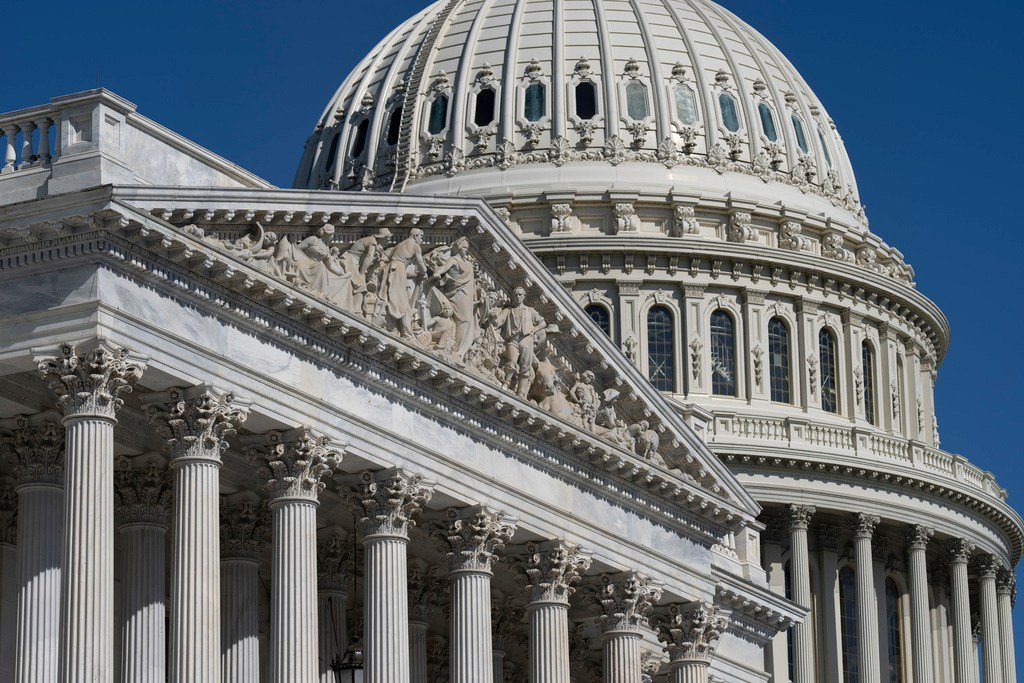
What is not acceptable, trade experts argue, is leaving the ambiguity unresolved. The courts can enforce limits on Section 338, but they are unlikely to resolve the broader statutory conflict through implied repeal. That leaves Congress with a clear responsibility: either reconcile the two authorities or accept that the safeguards built into Section 301 can be circumvented at will.
The stakes are high, especially for North American trade relations. As tariff pushes threaten food security, the need for a coherent legal framework becomes more urgent. The lawsuit may be the spark that forces a long-overdue debate over the scope of presidential trade powers—and whether Congress is willing to reclaim its role.