While most House members spent the recess on the campaign trail, a handful of Democrats have been quietly laying the groundwork for a potential return to the majority in January. Their focus is less on a glossy policy platform and more on rebuilding the legislative branch's authority after years of executive expansion.
The effort stands in stark contrast to the Republican "Contract with America" of 1994, which was a unified, signed pledge to pass specific legislation within the first 100 days. Democrats have not coalesced around a single agenda, and their approach is reactive, aimed at closing legal loopholes that have allowed President Trump to bypass Congress and the courts.
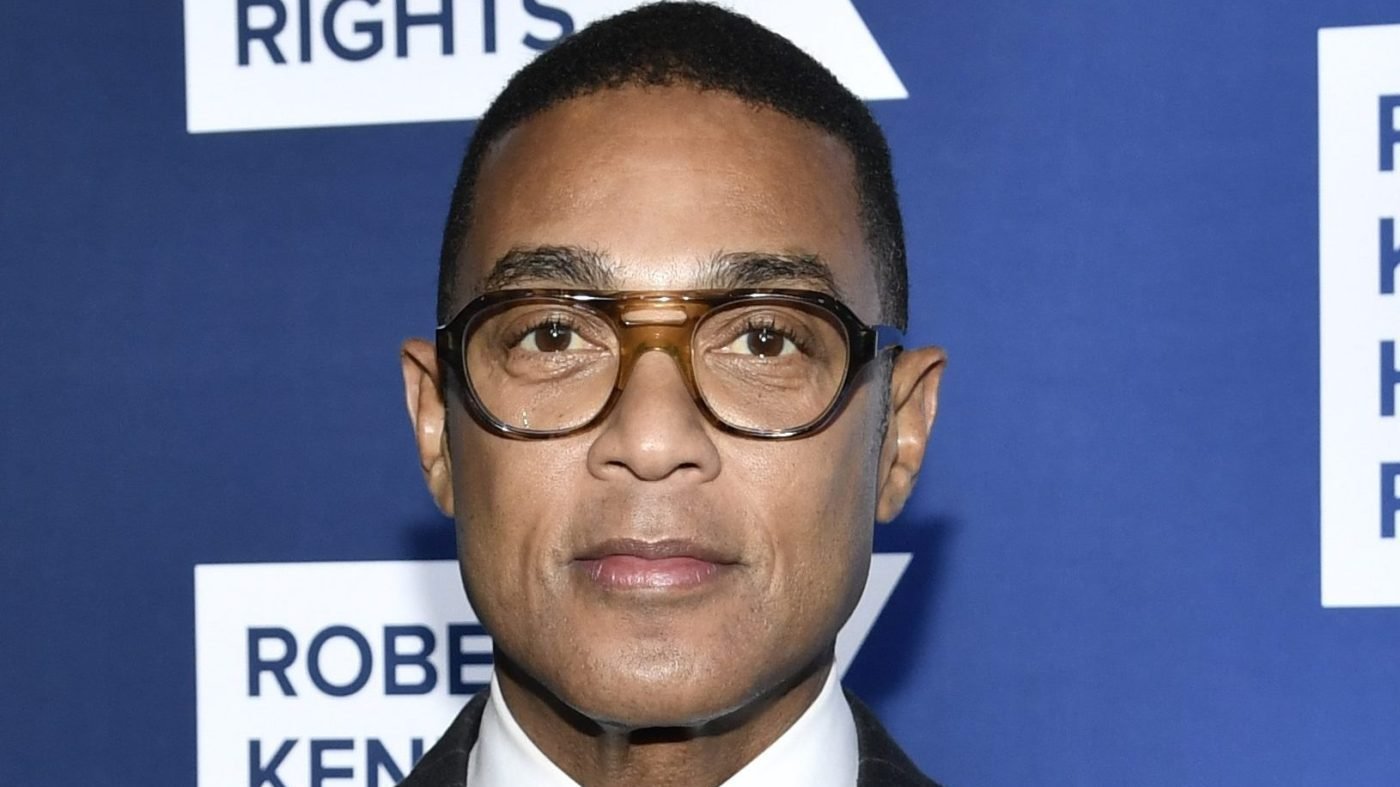
Rep. Jamie Raskin of Maryland, the top Democrat on the House Judiciary Committee and likely chairman if the party wins the majority, has been a leading voice. He frames the task as a "massive reconstruction" of congressional power, drawing on historical precedent. Raskin has already drafted bills to require congressional approval for foreign payments to the president and to review any monetary settlements between the president and the federal government, such as the defunct $1.8 billion victimization fund.
Other Democrats are prioritizing limits on the president's ability to unilaterally declare national emergencies, a tool Trump has used to impose tariffs, justify deportations, and deploy National Guard and ICE agents. These efforts aim to restore the constitutional balance of powers, which many Democrats argue has tipped dangerously toward the executive.
While some voices, including former President Barack Obama and strategist James Carville, warn against a third impeachment push, the majority of the caucus is focused on using investigative and oversight powers to expose mismanagement, abuse, and corruption. This could lead to criminal referrals, but immediate legislative victories are unlikely given the expected veto threat.
Democrats are unlikely to achieve the two-thirds majorities needed to override vetoes, so their strategy for the next two years is more about oversight and setting the stage for future legislative battles. The midterm turnout gap could hand them both chambers, but even then, the path to significant reform will be narrow.
Despite the lack of a unified contract, the Democratic push could still shift some power back to Capitol Hill. The president has urged supporters to "pretend I am on the ballot," a call Democrats are happy to echo, framing the election as a referendum on his leadership.
The coming months will test whether this behind-the-scenes planning translates into a coherent strategy or remains a series of reactive measures. As polls can mislead, Democrats are wary of complacency, even as forecasts shift in their favor.
For now, the focus is on performing "emergency triage" on the First Branch, as Raskin puts it, and restoring its original powers. Whether that will be enough to satisfy voters remains to be seen, but the groundwork is being laid for a more assertive Congress.