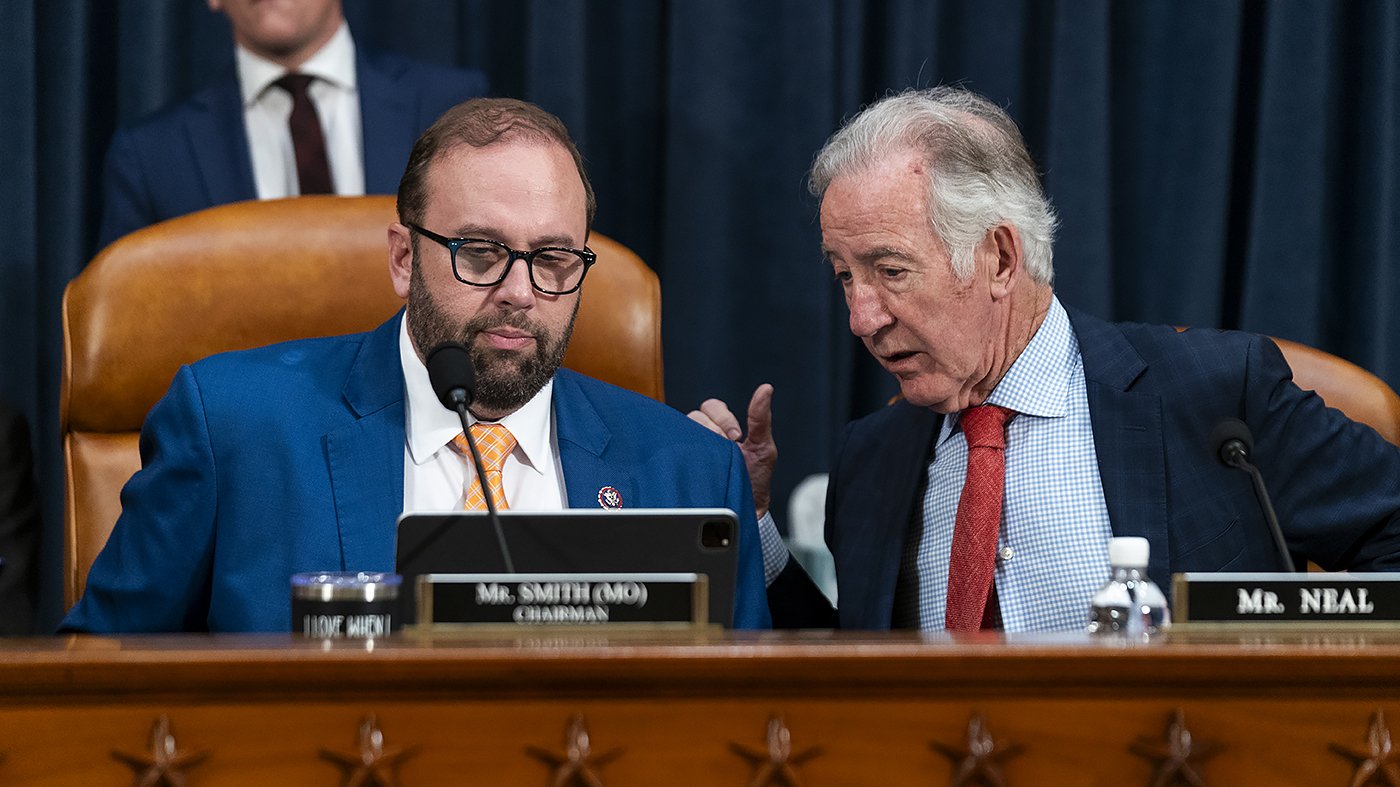
House Republicans turned their scrutiny on hospital executives Tuesday, accusing them of fueling the nation's healthcare affordability crisis through excessive executive pay, high profit margins, and market consolidation. The hearing by the Ways and Means Committee marked the latest GOP effort to hold healthcare industry leaders accountable, following similar sessions with insurers and pharmaceutical companies.
Committee Chairman Jason Smith (R-Mo.) set the tone, declaring that large health systems have exploited their essential role in communities. “Our communities are better off with hospitals in them, but large health systems have taken advantage of that reality,” Smith said. “Simply put, hospitals are charging an insane amount for care.” Federal data shows hospitals account for roughly 31% of all healthcare spending, with prices surging 300% over the past two decades.

Smith pointed to a lack of competition as a key driver, arguing that when hospitals face no rivals, prices climb unchecked. He floated the idea of a site-neutral payment policy, which would align Medicare payments for hospital outpatient services with those of doctor's offices—a move hospitals have fiercely resisted, claiming it would cost them billions. Previous bipartisan efforts on site-neutral legislation have stalled amid intense hospital lobbying.
The hearing featured CEOs from major systems: HCA Healthcare, the largest for-profit chain; CommonSpirit Health, the biggest Catholic hospital network; New York-Presbyterian, one of the wealthiest systems; and ECU Health, a large rural provider in North Carolina. Lawmakers pressed them on how their compensation packages and profit margins affect patient costs.
Rep. Greg Murphy (R-N.C.), a urologist and co-chair of the GOP Doctors’ Caucus, questioned the very existence of for-profit systems. “Why should we allow for-profit systems to exist?” he asked HCA's CEO. Murphy acknowledged rising costs and uncompensated care but argued that soaring executive pay and shareholder profits are indefensible. “I don’t want to sound like a communist; I’m not. I’m a capitalist at heart,” Murphy said. “But if we now have institutions that put profits above patients … we have to rethink this model.”
Democrats countered that the hearing was a political stunt to distract from the Medicaid cuts included in last year's One Big Beautiful Bill. Ranking member Rep. Richard Neal (D-Mass.) accused Republicans of undermining the healthcare system. “Families won’t be fooled so easily. They know Republicans are desperate to distract from their record of failure,” Neal said. “They ripped coverage from more than 15 million people and pushed hundreds of hospitals to the brink.”
Hospital executives defended their pricing, arguing that higher reimbursements are needed to cover overhead costs, including labor, supplies, and uncompensated care. They blamed insurers for low reimbursement rates, especially amid rising inflation. Smith noted the circular blame game: “When it comes to fixing the system, the only thing you all agree on, really, is that some other people, other issues—that’s the increase.”
The hearings reflect a broader Republican shift, as the party seeks to demonstrate it is tackling affordability—a top voter concern ahead of the midterms—by confronting corporate interests it once championed. This session follows earlier GOP-led inquiries into insurance and pharmaceutical executives, who similarly deflected blame onto hospitals.
As the political battle over healthcare costs intensifies, the clash between lawmakers and hospital leaders underscores the deep divisions over how to rein in spending without jeopardizing access to care. For now, the industry remains a prime target in Washington's affordability debate.