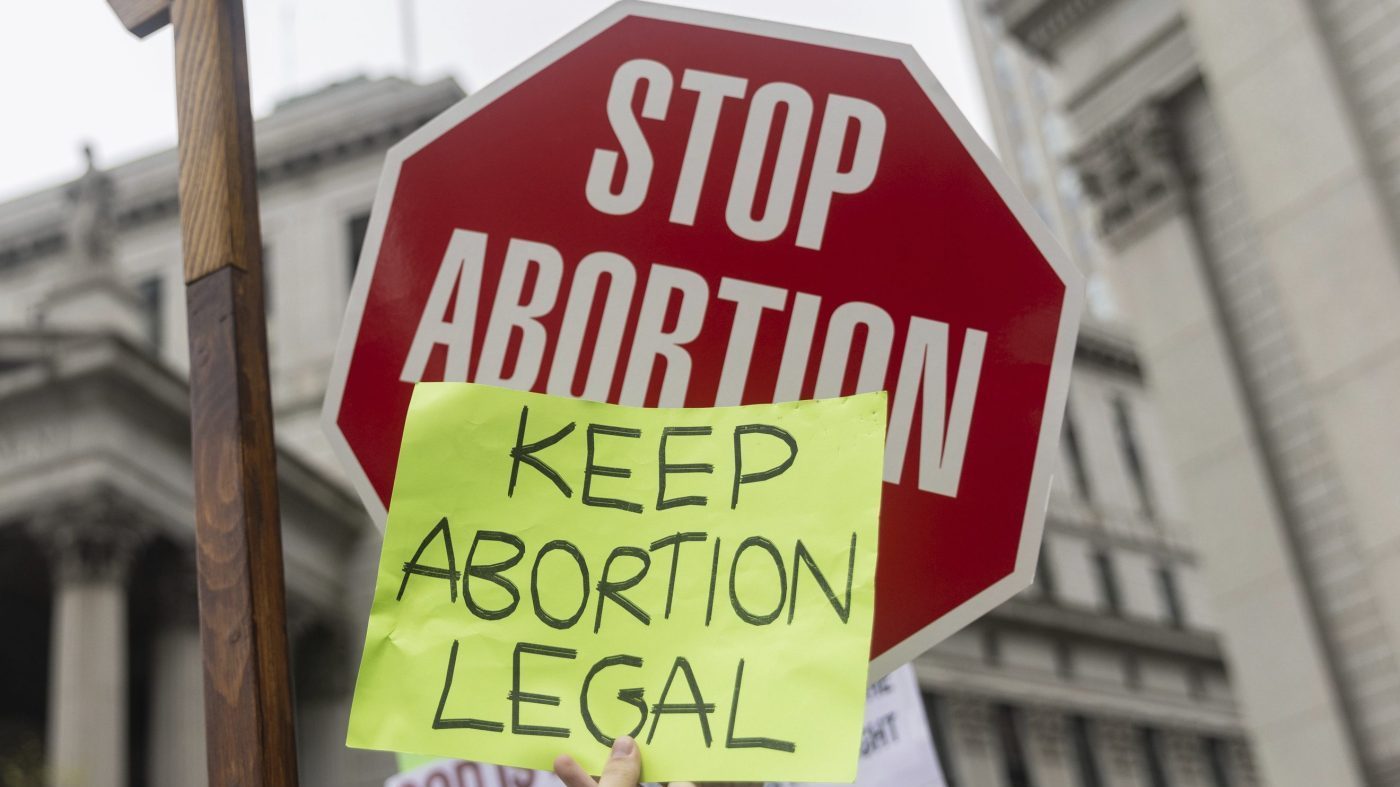
Idaho voters have rejected a ballot measure that would have restored abortion access up to fetal viability, according to projections from Decision Desk HQ. With more than 95% of votes counted early Wednesday, 56% of voters opposed the initiative, effectively keeping in place one of the nation's most restrictive abortion laws.
The measure, known as Proposition 1, sought to establish a constitutional right to abortion until roughly 23 to 24 weeks of pregnancy—the point at which a fetus is generally considered viable outside the womb. It would also have protected access to contraception and fertility treatments, and allowed abortions after viability in cases of medical emergency.
Had it passed, the initiative would have repealed Idaho's current abortion law, which makes it a crime for physicians to perform the procedure except in narrow circumstances involving the life of the mother or cases of reported rape or incest.
The defeat is a significant setback for abortion rights advocates in a state where the legislature has repeatedly moved to restrict access. It also underscores the deep partisan divide on the issue, as Idaho remains a strongly conservative state.
The vote comes two years after the U.S. Supreme Court's decision to overturn Roe v. Wade, which returned abortion regulation to the states and created a patchwork of laws across the country. Since then, Democrats and reproductive rights groups have pushed ballot measures in several states as a way to protect access and energize voters. Virginia voters enshrined abortion rights in their state constitution this fall, and Nevada voters did the same.
In Missouri, voters rejected a GOP effort to reinstate an abortion ban, while Missouri voters rejected a GOP effort to reinstate an abortion ban. These contrasting outcomes highlight the ongoing national fight over reproductive rights.
In Idaho, the result was closely watched, particularly given the state's political landscape. Republican Senator Jim Risch secured a fourth term in the state, and Idaho's GOP incumbents faced challengers in House races, but the abortion measure drew significant attention from both sides.
Opponents of the measure argued that it went too far, while supporters said it was necessary to protect women's health and prevent dangerous outcomes. The rejection means that Idaho's current law remains in effect, with no immediate path to change it through the ballot box.
For now, the fight over abortion access in Idaho is likely to continue in the courts and the legislature, where Republicans hold supermajorities. The outcome also serves as a reminder that while abortion rights have won in some states, they remain a deeply divisive issue in others.