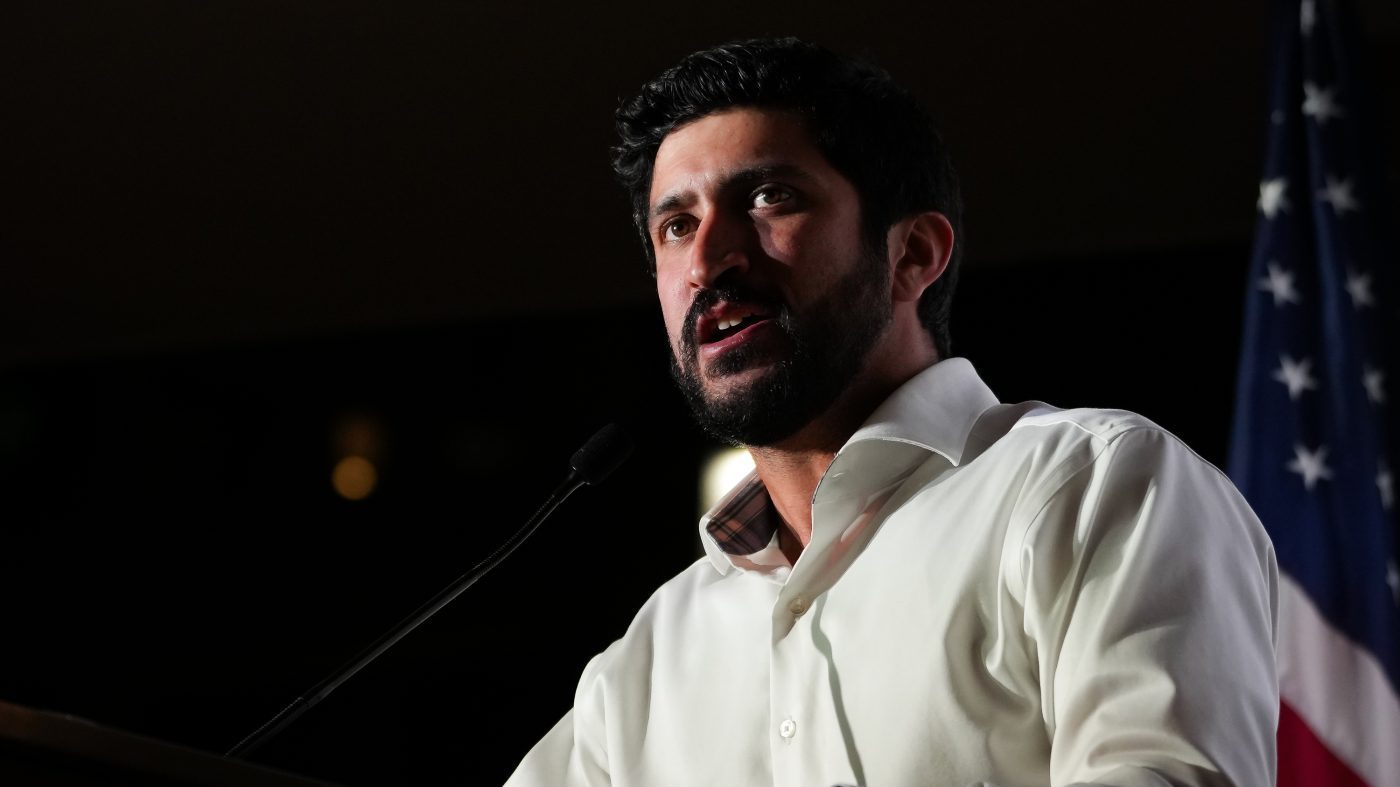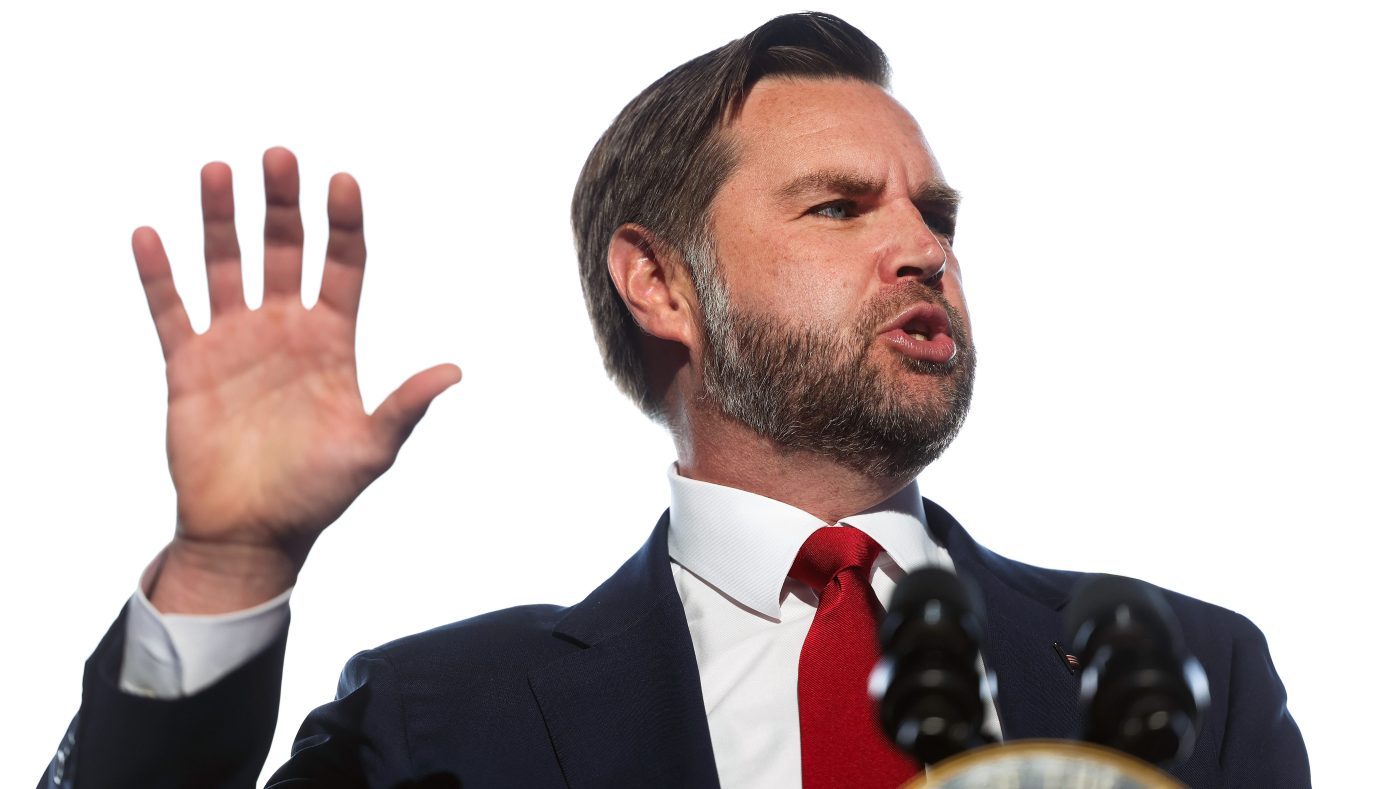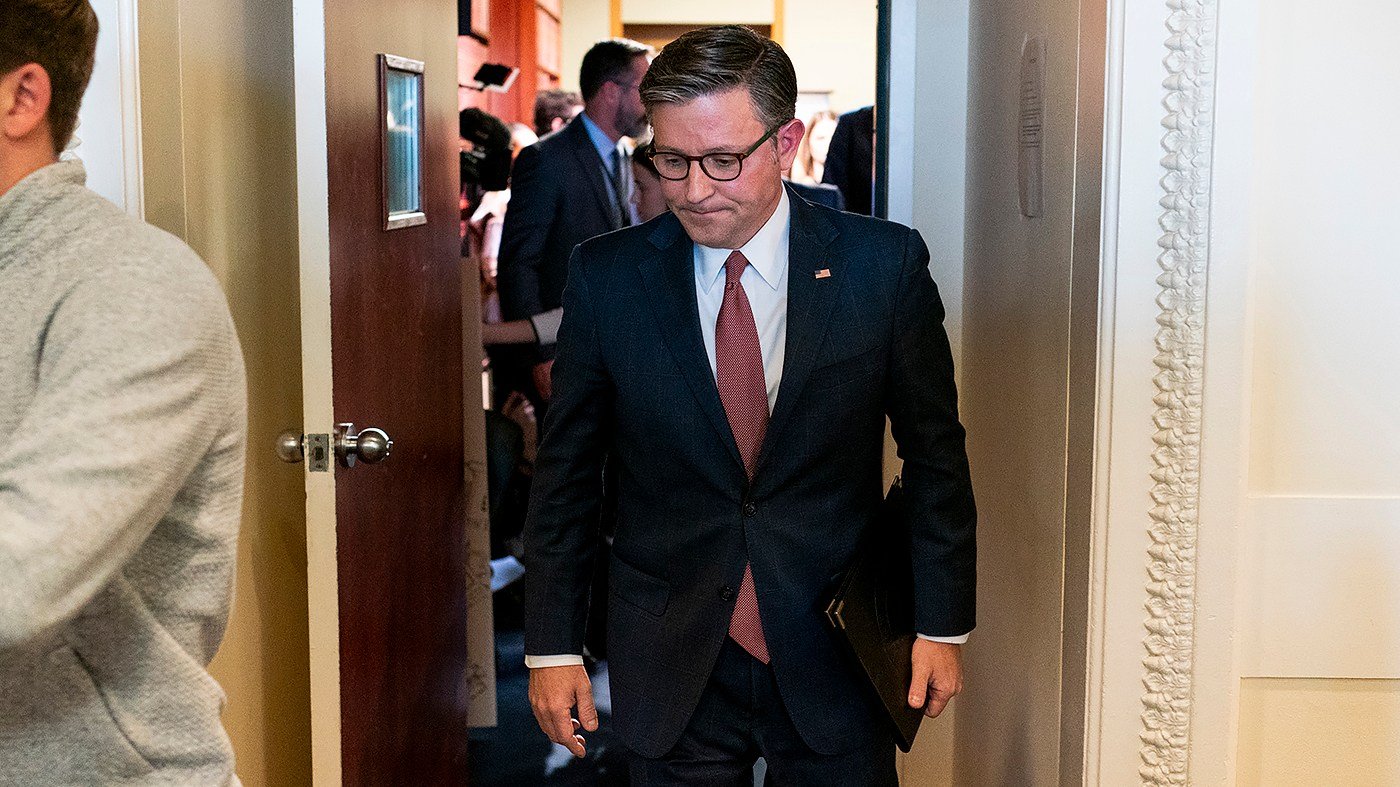
Speaker Mike Johnson (R-La.) announced on a staff call Wednesday that he will not seek the minority leader position in the next Congress, according to two GOP aides. The decision averts an immediate internal showdown over leadership but sets the stage for a potentially bruising contest between House Majority Leader Steve Scalise (R-La.) and House Judiciary Committee Chair Jim Jordan (R-Ohio), both of whom are expected to launch bids.
Johnson's move comes as Republicans absorb a stinging electoral rebuke that cost them the House majority. The party now faces a wrenching debate over its future direction, with factions split between those seeking a pragmatic path back to power and those demanding a more combative posture.
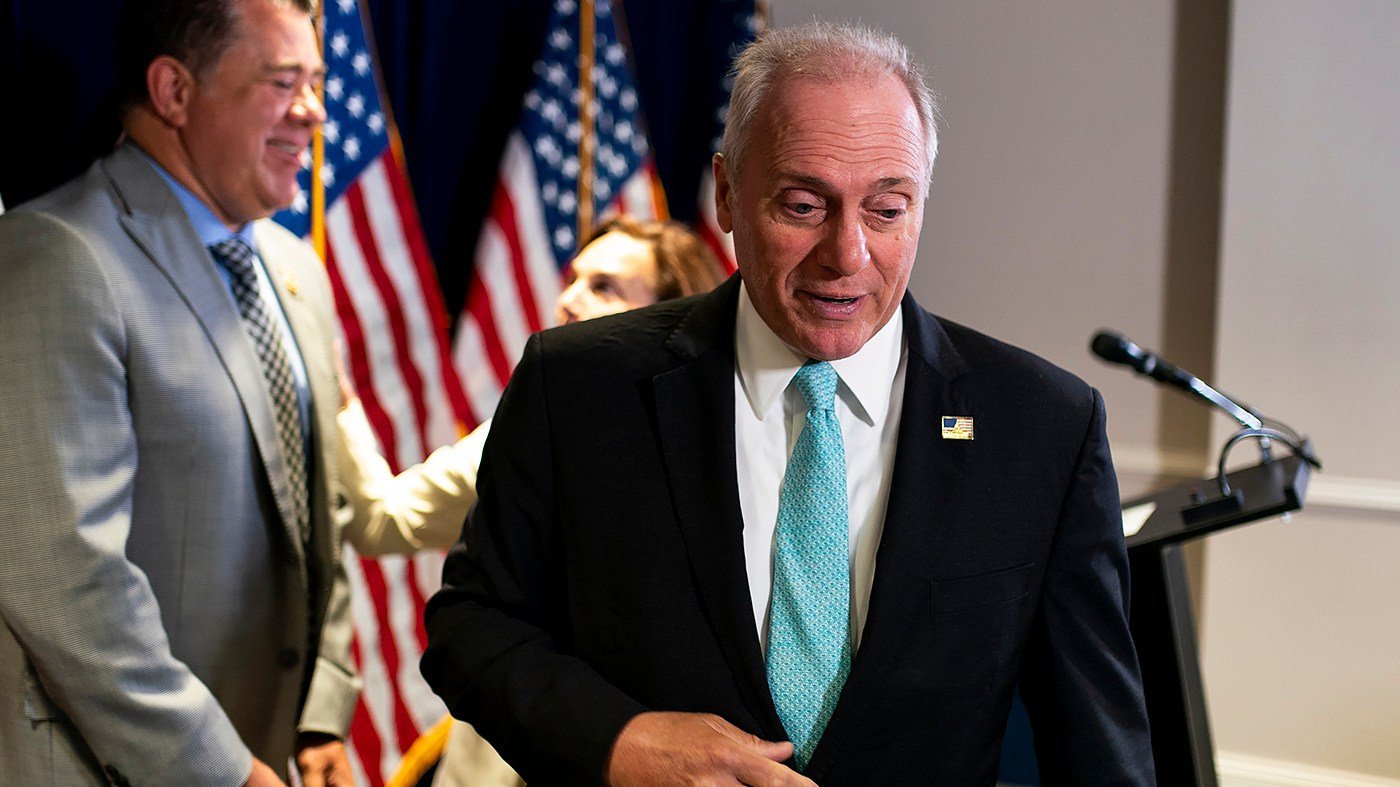
The Louisiana Republican's tenure as Speaker was marked by persistent intraparty strife. He presided over a razor-thin majority, repeated clashes over government funding, and contentious debates on issues like the Iran war. His leadership style often drew criticism from both moderates and hardliners, making unity a constant challenge.
First elected to Congress in 2016, Johnson rose quickly through the ranks, serving as vice chair of the House Republican Conference before being elected Speaker in 2023. He succeeded Kevin McCarthy (R-Calif.), who was ousted by a small group of conservative rebels. Johnson's own grip on the gavel was frequently tested, but he managed to survive multiple attempts to remove him.
Now, with the party in the minority, the leadership race is shaping up as a proxy battle over the GOP's identity. Scalise, a seasoned legislator with deep ties to the conference, is seen as a steady hand who could work across factions. Jordan, a founding member of the Freedom Caucus, represents the insurgent wing that has often clashed with establishment leaders. Their contest could mirror the broader struggle between the party's traditionalists and its populist base.
Johnson's decision to step aside was not entirely unexpected. Sources close to the Speaker indicated he was weary of the constant infighting and preferred to avoid another divisive campaign. In his staff call, he reportedly urged unity and encouraged members to focus on the challenges ahead, including rebuilding the party's brand and preparing for the next election cycle.
The race for minority leader is just one of several leadership vacancies to be filled. Republicans will also need to choose a whip and other posts. The outcome will likely signal which wing of the party holds the upper hand as they confront a Democratic majority and a new political landscape.
Democrats, meanwhile, are preparing to take control with an ambitious agenda. House Minority Leader Hakeem Jeffries (D-N.Y.) is poised to become Speaker, and his party has vowed to investigate the previous administration's actions, including the handling of the Iran conflict. Johnson has already conceded the loss but promised a firewall against what he calls overreach.
The leadership election is expected to take place when the new Congress convenes in January. Until then, the GOP will be navigating a delicate transition, with outgoing Speaker Johnson still at the helm but effectively a lame duck. The coming weeks will test whether the party can channel its energy into a coherent strategy or remain mired in the factional warfare that defined the last session.
As the contest unfolds, all eyes will be on the candidates' ability to articulate a vision that can unite a fractured conference. Scalise and Jordan each bring distinct strengths and liabilities, and their battle could shape the GOP's trajectory for years to come.