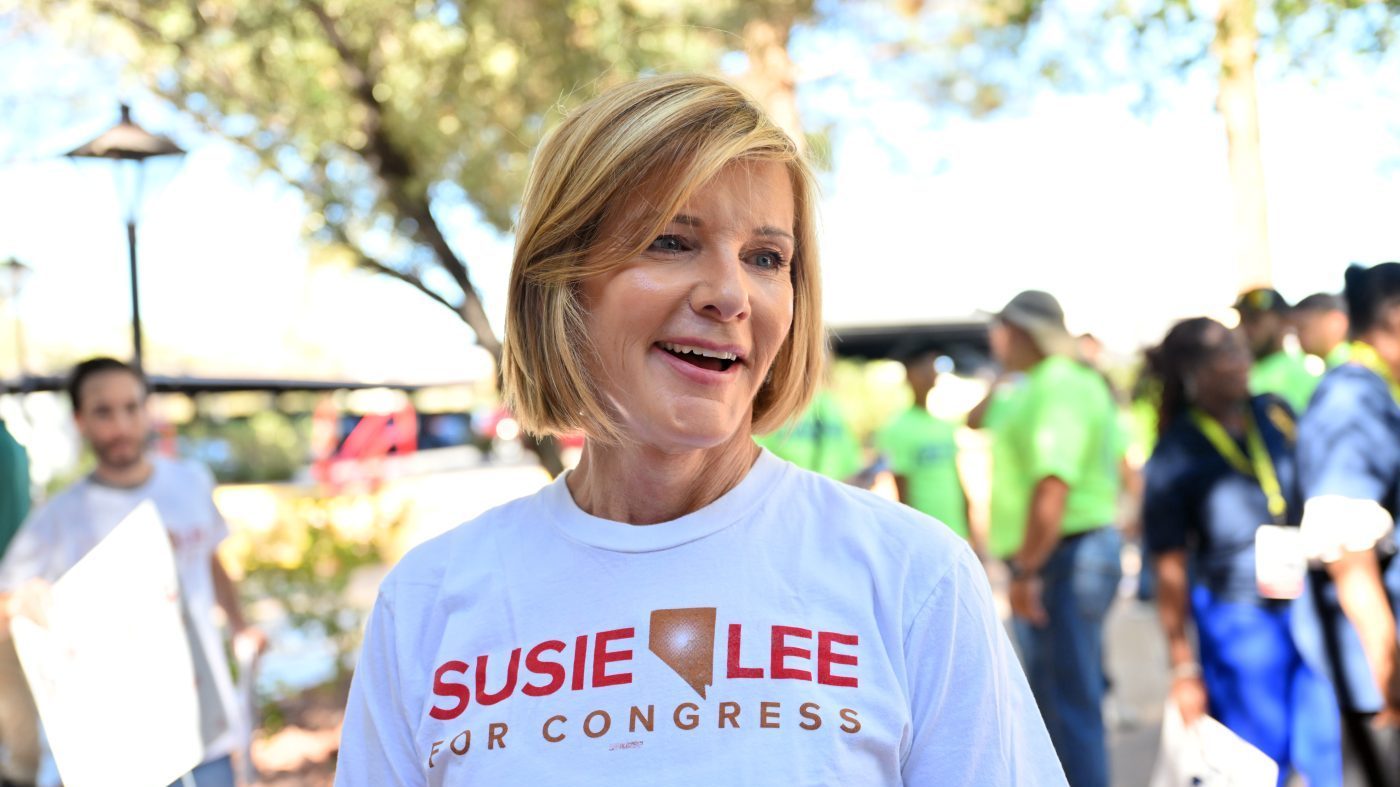
Democrats secured a sweeping victory in Tuesday's midterm elections, taking control of both chambers of Congress and flipping several governorships in a decisive rebuke of President Trump's handling of the Iran war and his leadership of the Republican Party. The party is set to hold a larger majority in the House than at any point since the 1990s, with at least 24 seats flipped, and at least six Senate seats changing hands, giving Democrats a working majority in the upper chamber.
The results mark a dramatic reversal from the 2024 elections, when Republicans rode Trump's coattails to unified control of Washington. This time, with Trump off the ballot, the GOP's turnout machine failed to deliver, and voters across key battlegrounds punished the party for the ongoing conflict in Iran, rising prices, and a series of corruption scandals that have dogged the administration.

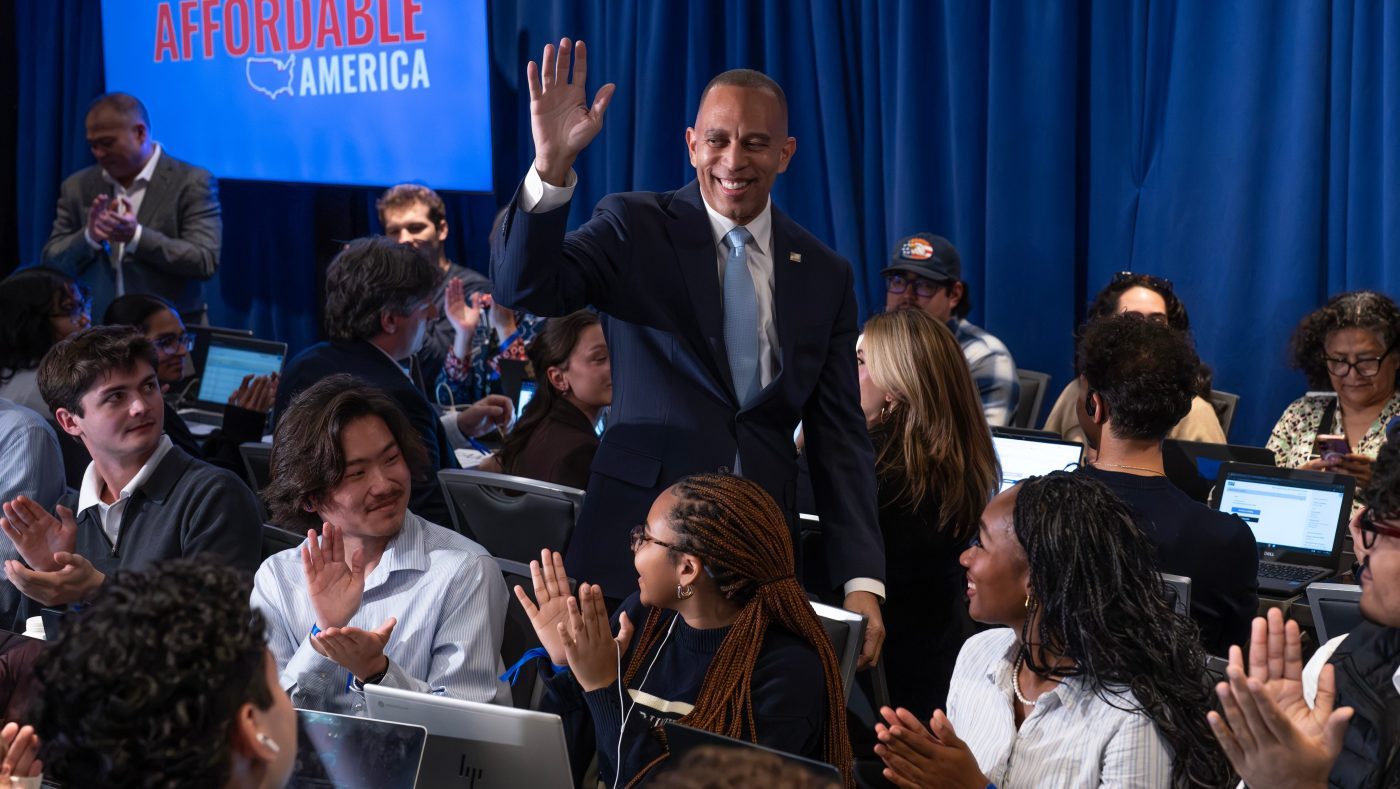
Senate Minority Leader Chuck Schumer (D-N.Y.) celebrated the outcome, calling it "a generational remake of the Senate map that is going to change America now and on into the future." He added, "Americans voted for change, and now Democrats must deliver." Rep. Hakeem Jeffries (D-N.Y.), the likely next Speaker of the House, declared that "MAGA extremists are on the run from sea to shining sea."
Republicans, meanwhile, are grappling with the fallout. Donor Dan Eberhart described Trump's grip on the party as "a melting ice cube," while Texas-based strategist Brendan Steinhauser called the night an "utter disaster" and shared a GIF of the Titanic sinking. Many within the party are pointing fingers at Trump's handling of the Iran war, his endorsement of flawed candidates like Texas Attorney General Ken Paxton, who lost his race, and the broader corruption allegations that have enveloped his administration.
One Republican strategist, speaking on condition of anonymity, summed up the sentiment: "Iran War 100 percent. Corruption 100 percent. Bad candidates 100 percent. One common denominator for them all…Trump." Trump himself blamed his absence from the ballot, arguing he would have won in a landslide if he had been running, and lashed out at Texas Gov. Greg Abbott after Abbott kept his distance from the president on the campaign trail.
Some Republicans are already looking toward the party's future without Trump. Sen. John Curtis (R-Utah) published an essay urging the GOP to return to its core principles of limited government, free trade, and fiscal responsibility, noting that the party had "let down" many voters by abandoning those values. "Instead of finally seeing relief on prices after the reckless Biden years, they saw a hastily planned war disrupt oil markets," Curtis wrote, adding that voters saw "headline after headline of scandals, incompetence, and corruption" and watched the national debt balloon past $40 trillion.
Democratic victories in specific races highlighted the issues that drove voters away from Republicans. In Kansas, a Democrat won a Senate seat for the first time in nearly a century, fueled by anger over immigration raids that disrupted the meatpacking industry and the economic toll of tariffs. In Iowa, voters rejected Trump-backed candidates for Senate and governor, with agricultural trade disruptions and high cancer rates pushing health care and environmental policy to the forefront. In Ohio and other states, Democrats successfully made the case on regulating data centers and challenging the tech industry's influence.
With their new majorities, Democrats are expected to move quickly to end the Iran war, potentially by choking off funding, and to advance their legislative agenda. The party's leaders have vowed to confront Trump on multiple fronts, from the war to economic policy to government integrity. As House Democrats celebrate their sweep, they are also preparing to use their new Senate majority to blunt Trump's agenda.
For Republicans, the path forward is uncertain. Some, like Curtis, are calling for a return to traditional conservative principles, while others are doubling down on Trumpism. But with the 2028 presidential race already looming, the party faces a fundamental choice: continue to embrace Trump's style, or rebuild around a new vision. As one Trump world source put it, "Democrats are renting many of these seats, and the independents who voted for them will swing back hard after two years of a socialist majority and a serious case of buyer's remorse." But for now, the political landscape has shifted decisively.