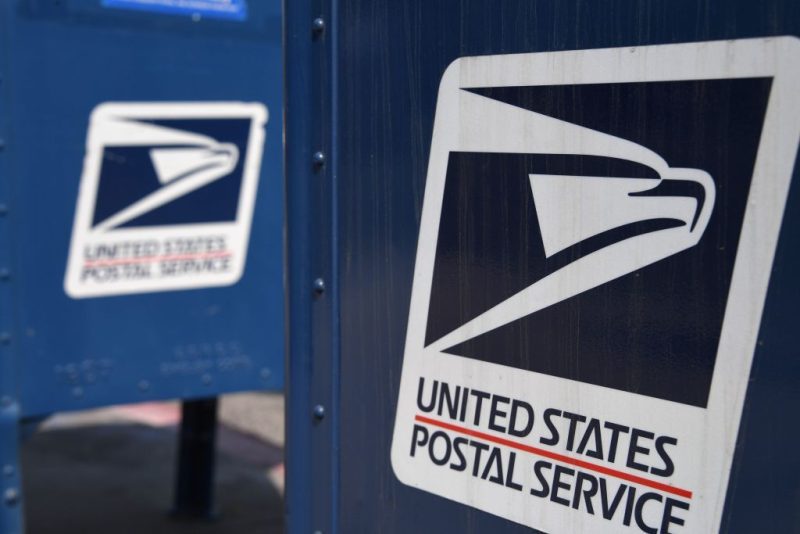
A federal judge in Boston on Wednesday dissolved a nationwide injunction that had blocked the Trump administration from enforcing new restrictions on mail-in voting, a move that clears the way for the rules to take effect ahead of the November midterm elections.
U.S. District Judge Indira Talwani granted the Justice Department's request to revisit her earlier order, pointing to a recent Supreme Court ruling that found challenges to President Trump's executive actions were premature. In her nine-page decision, Judge Talwani wrote that the plaintiff organizations—including the League of Women Voters—were unlikely to succeed on ripeness grounds without amending their complaint to account for the fact that the U.S. Postal Service has now finalized its rule.
The ruling marks a significant procedural win for the administration, which has argued that the restrictions are necessary to combat voter fraud. Voting rights advocates, however, contend that the measures disproportionately affect minority and low-income voters. The case is one of several legal battles over election procedures, and the judge's decision could have ripple effects across the country.
Judge Talwani's order also comes as several blue states have refiled their own challenges to the rule, seeking to block it on different grounds. Meanwhile, the League of Women Voters and other groups are expected to file a supplemental complaint now that the Postal Service has issued its final regulation.
The original injunction had been issued after the groups argued that the rule, which imposes stricter identification and deadline requirements for mail-in ballots, would disenfranchise voters. The Justice Department, in its motion to reconsider, argued that the Supreme Court's decision in Trump v. California undermined the legal basis for the nationwide block.
Legal experts say the ruling is a setback for voting rights advocates, but not a final defeat. The case will continue, and the plaintiffs are likely to press their claims with updated arguments. The development is part of a broader pattern of judicial scrutiny of election rules, including a recent federal judge halting Ohio's voter citizenship proof requirement.
The lifting of the injunction does not mean the restrictions are permanent; it merely allows the administration to begin implementing them while litigation proceeds. The move is likely to intensify the political debate over voting access, especially as the midterms approach. The administration has defended the rule as a safeguard against fraud, while critics call it a suppression tactic.
With the midterms looming, the practical impact of the rule could be significant. Election officials in several states have expressed concerns about the added burden on voters and administrators. The ruling is a reminder of the ongoing legal fights over election integrity and access, a theme that has defined much of the current political landscape.
As the case moves forward, all eyes will be on how the plaintiffs respond and whether the Supreme Court's stance will ultimately shape the outcome. For now, the administration has scored a tactical victory, but the broader battle over mail-in voting is far from over.