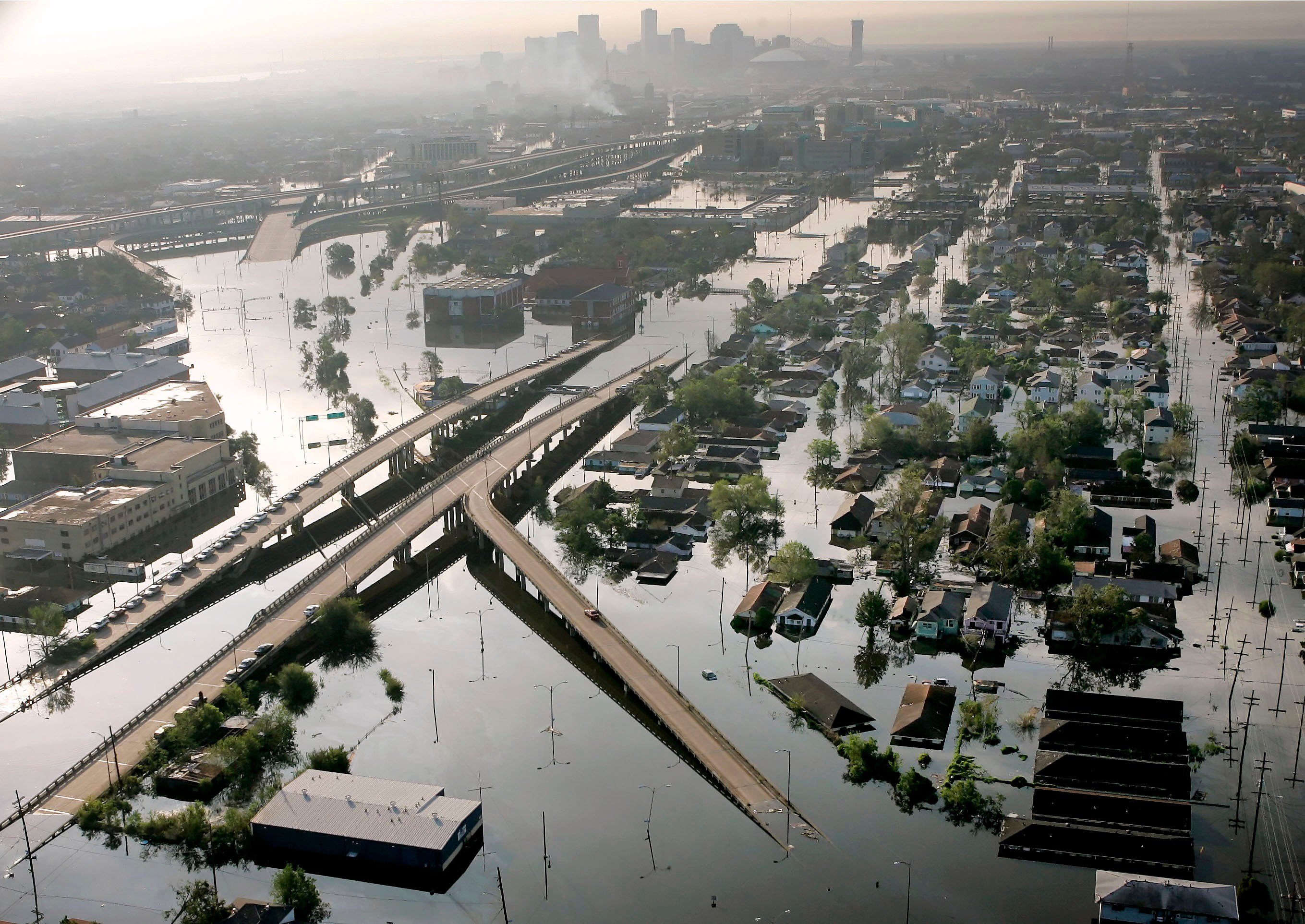
Twenty-one years after Hurricane Katrina devastated the Gulf Coast, the nation's disaster response system is again in peril. Retired Lt. Gen. Russel L. Honoré, who led federal recovery efforts in New Orleans, warns that the hard-won lessons of that catastrophe have been squandered, leaving Americans dangerously exposed to the next big storm.
Katrina's storm surge overwhelmed levees and flooded the Crescent City, stranding low-income families, the sick, and the elderly. The slow federal response sparked national outrage, and the subsequent overhaul of FEMA was meant to professionalize the agency and ensure that future disasters would be met with speed and competence. But Honoré argues that progress has been reversed.
Today, FEMA is buried inside the Department of Homeland Security, a behemoth that has been "weaponized against civilians," according to the general. Under Secretary Kristi Noem, the agency was starved of resources and leadership openly embraced dismantling federal disaster management. The result, Honoré notes, was catastrophic flooding on the Guadalupe River in Texas, where 135 people perished—including children at a summer camp—because forecasts never translated into action.
Now, Cameron Hamilton, confirmed just two weeks ago as FEMA administrator, faces sharp criticism. The Union of Concerned Scientists called him unqualified, and his confirmation hearing raised eyebrows. His early response to crises—from Puerto Rico's water emergency to Western wildfires—has been lackluster. Honoré sees a pattern: political loyalty trumps expertise.
The consequences are not abstract. Disasters do not discriminate by party, but the administration's relief funding does. Honoré cites data showing that red states receive disaster aid at three times the rate of blue states. He contrasts this with George W. Bush, who, despite his flaws, never joked about withholding help from political opponents.
As climate change intensifies, the threat of wildfires, floods, and hurricanes grows. Honoré argues that now is the time to elevate FEMA to a Cabinet-level agency, pulling it out of the DHS bureaucracy. He also demands an end to politicizing disaster relief, calling it "the most un-American thing I can think of."
On this anniversary, Honoré urges Americans to demand better. The lessons of Katrina, he insists, must be relearned before the next disaster strikes.