Public health officials are confronting an extended respiratory virus season as multiple pathogens continue circulating well into spring, defying typical seasonal patterns. The Centers for Disease Control and Prevention reports that respiratory syncytial virus (RSV) began later than anticipated across most regions, with elevated activity likely persisting through April. This delayed pattern coincides with the spread of a new COVID-19 variant and unusual influenza behavior, creating a complex epidemiological landscape.
RSV Poses Extended Threat to Vulnerable Populations
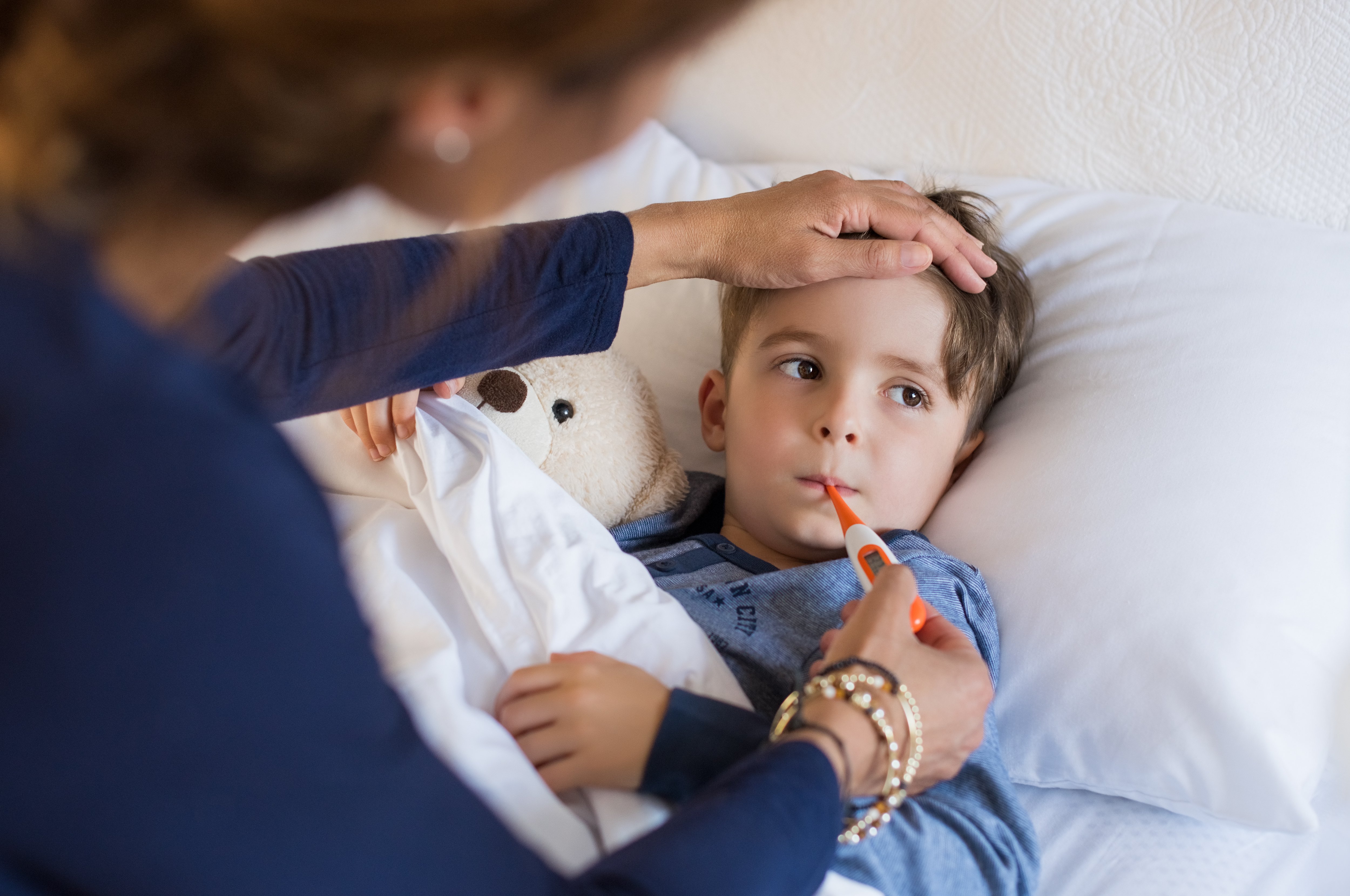
Emergency department visits and hospitalizations for RSV remain highest among infants and children under four years old, though seniors also face significant risk. While most cases cause mild flu-like symptoms, severe illness in vulnerable groups can require ventilator support. "Unlike some other viruses, you're actually pretty contagious throughout your entire time with RSV," said Dr. Sarah Nosal, president of the American Academy of Family Physicians. "If your kid is coughing and they've had RSV and they go to daycare, all of those kids are exposed."

Preventive measures have expanded recently with RSV vaccines now available to seniors and pregnant women, the latter offering protection to newborns. A monoclonal antibody treatment is also approved for infants and young children. Many state and local health departments have extended their RSV immunization windows through at least late April in response to the prolonged season.
Influenza and COVID-19 Add Complexity
This respiratory season proved unusual for influenza as well, featuring dual spikes of influenza A early in the season followed by influenza B later. Media reports dubbed the later-circulating strain a "super flu," though physicians emphasize it represents another influenza variant that presented with somewhat more severe symptoms and demonstrated greater ability to evade immune protection.
Simultaneously, the so-called "cicada" variant of COVID-19 has been detected in 25 states. While overall COVID-19 activity remains low, this variant's mutations in the spike protein make it "a more distant cousin" that can "evade some of the protection we've had from prior infections and from prior vaccinations," according to Dr. William Schaffner of Vanderbilt University School of Medicine. Fortunately, the variant doesn't appear to cause more severe disease and will likely be included in future vaccine updates.
Public Health Infrastructure Under Strain
The extended virus season occurs against a backdrop of challenges to public health monitoring systems. Dr. Schaffner noted that mass layoffs at the CDC carried out by the Department of Government Efficiency affected this past season's response capabilities. A recent study found that among nearly 40 CDC databases no longer being updated, 87 percent were vaccine-related, while four out of five remaining stagnant databases pertained to respiratory diseases.
These monitoring gaps coincide with other significant policy developments, including the EPA chief's controversial remarks to climate skeptic groups and renewed diplomatic tensions within NATO alliances that could impact international health cooperation.
Allergies Compound Viral Risks
As spring progresses, seasonal allergies are beginning to affect populations, potentially exacerbating vulnerability to lingering viruses. "There are research studies that show just being exposed to pollen and other allergens, even if you personally don't get allergy symptoms, increases your inflammation in your mucosal membranes and makes you more vulnerable to viral illnesses," Dr. Nosal explained. She cautioned that many people may dismiss respiratory virus symptoms as allergies during this period and advised testing when feeling unwell.
The convergence of extended viral circulation, allergy season, and challenges to public health infrastructure creates a complex scenario for healthcare providers and policymakers. As Dr. Schaffner emphasized regarding RSV protection, "RSV continues to be the leading cause of hospitalization in young infants, so being able to prevent that is very important." The situation underscores broader questions about public health preparedness amid shifting political priorities and concerns about institutional stability in the current political climate.