EPA Chief Addresses Climate Skeptic Gathering
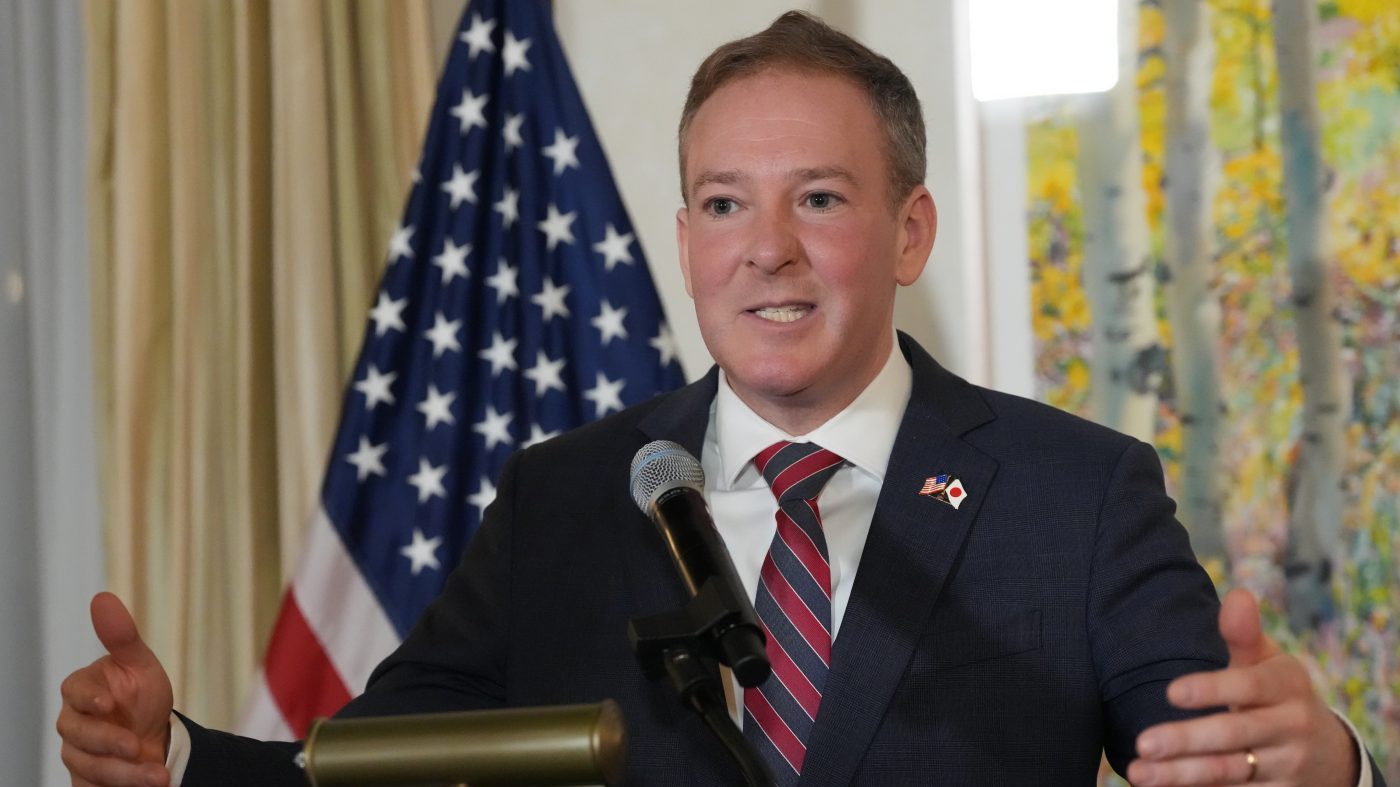
Environmental Protection Agency Administrator Lee Zeldin delivered the keynote address Wednesday at a conference organized by the Heartland Institute, a conservative think tank known for its skepticism of mainstream climate science. In his remarks, Zeldin urged the audience to "celebrate vindication" and launched a sharp critique of the previous administration's approach to environmental regulation.
Attacking the 'Cabal' of Climate Modeling
Zeldin framed past U.S. climate policy as the product of a closed group. "What happened for years and decades in this country is that the elite, the ruling class, the people who had run the agencies, the people who have decided that they are in charge of the science, the politicians, the biggest grifters, there would be a cabal that would decide exactly which model is the chosen model," he told the conference. This rhetoric aligns with a broader administration posture of challenging established scientific institutions and reversing Obama-era climate rules.

The speech occurred as the fossil fuel industry seeks legal immunity amid a growing climate liability push from states and municipalities, a legal context that makes the EPA's regulatory stance particularly consequential. Zeldin's appearance at the event itself became a point of contention, which he defended by contrasting his approach with prominent Democratic figures. "The reason why it might be so controversial... is because we aren’t just following blind obedience to whatever the dire doom and gloom prediction of the day is from John Kerry or Al Gore or AOC," he said, referencing Representative Alexandria Ocasio-Cortez.
Contrast with Scientific Consensus and Past Statements
Zeldin's appearance at the Heartland conference placed him alongside views that conflict with the overwhelming scientific consensus that human activity, primarily from burning fossil fuels, is driving dangerous planetary warming. Before his speech, Heartland Institute president James Taylor argued that rising carbon dioxide levels would be beneficial. Zeldin himself has previously praised carbon dioxide as 'necessary for life' while leading an EPA that repealed a key legal finding that climate change endangers public health.
This stance marks a shift from his confirmation hearing last year, where he stated, "I believe that climate change is real." His current position more closely mirrors that of President Trump, who has repeatedly labeled climate change a "hoax." Zeldin is reportedly under consideration to be Trump's next Attorney General, a potential move that would follow a pattern of placing allies skeptical of climate regulation in key roles.
Rushing Policies for Legal Defense
A significant portion of Zeldin's address focused on regulatory strategy. He explained that the Trump administration is accelerating its policy finalizations to ensure it, and not a potential future administration, is responsible for defending them in court. "So much of these decisions are getting done early in this term, so that we have the responsibility of litigating our own decisions through the court system," Zeldin said. He criticized the prior administration for finalizing rules late in its term, leaving them for his team to challenge.
This tactical approach to governance extends beyond the EPA, as seen in other administration efforts like the White House negotiating a FISA 702 compromise with skeptical lawmakers to secure surveillance tools. The push to cement policies also comes as the administration pursues significant budget reductions in related areas, including NASA, where the chief has backed Trump's proposed $5.6 billion budget cut, defending reductions to climate and Mars programs.
Zeldin's speech underscores the deep ideological divide on environmental policy in Washington. As the EPA continues its deregulatory agenda, its actions are set to face sustained legal challenges from environmental groups and Democratic-led states, ensuring that the political and legal battles over climate science and regulation will persist well beyond the current term.