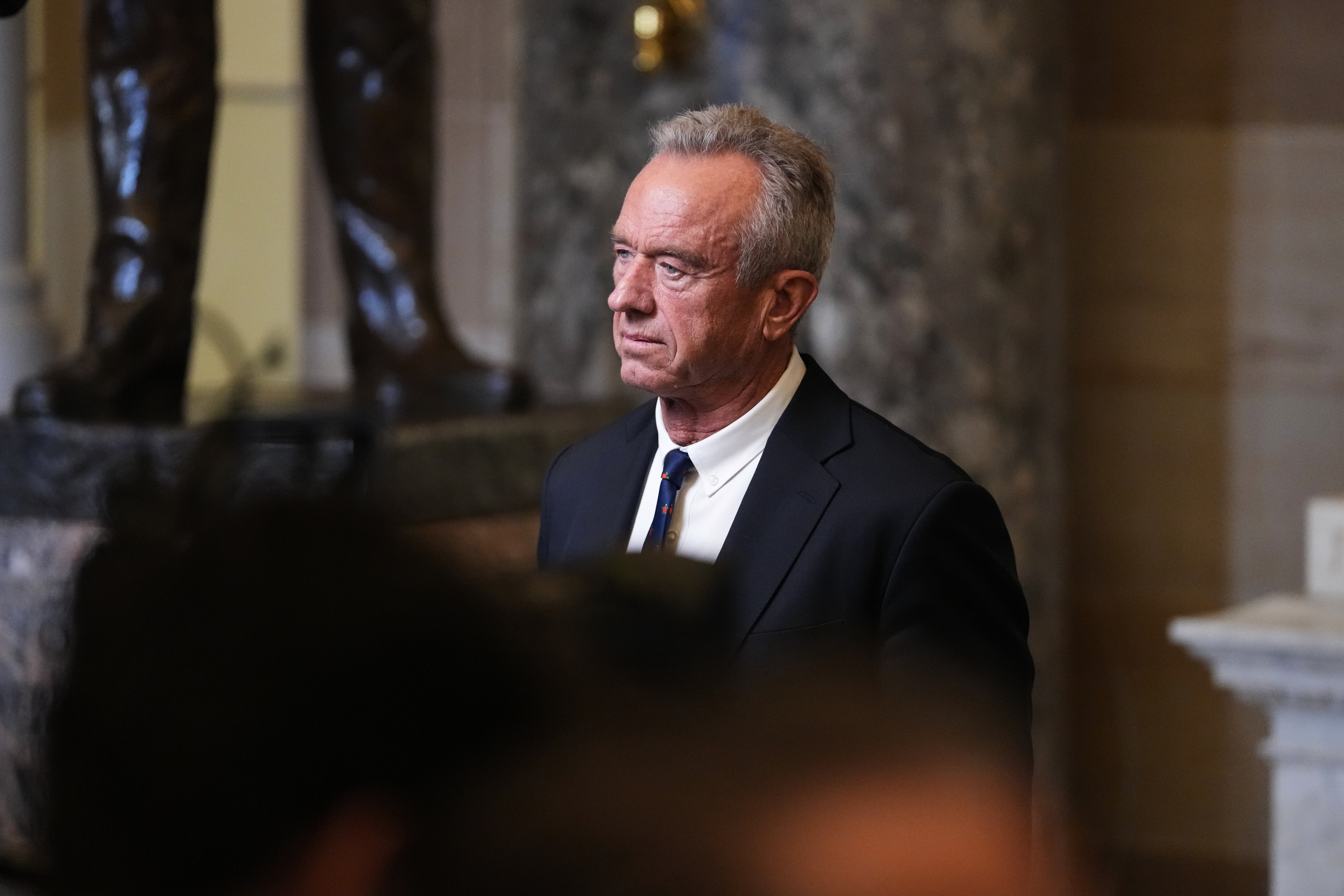
Health and Human Services Secretary Robert F. Kennedy Jr. is launching a personal podcast, positioning the venture as a direct channel for what he calls "radical transparency" on public health matters. The move represents an unconventional step for a cabinet official, seeking to bypass traditional media and communicate directly with the public on contentious issues where Kennedy frequently diverges from established scientific and governmental consensus.
A Platform for "Uncomfortable" Truths
In a promotional video, Kennedy framed the podcast as a necessary corrective to systemic failure. "For decades, Americans have been told to trust the system, but our children are sicker. Chronic disease is exploding, and the answers we've been given aren't working," Kennedy stated. He argued that many have concluded "government actually lies to us," setting the stage for a show dedicated to "telling the truth, especially when it's uncomfortable."
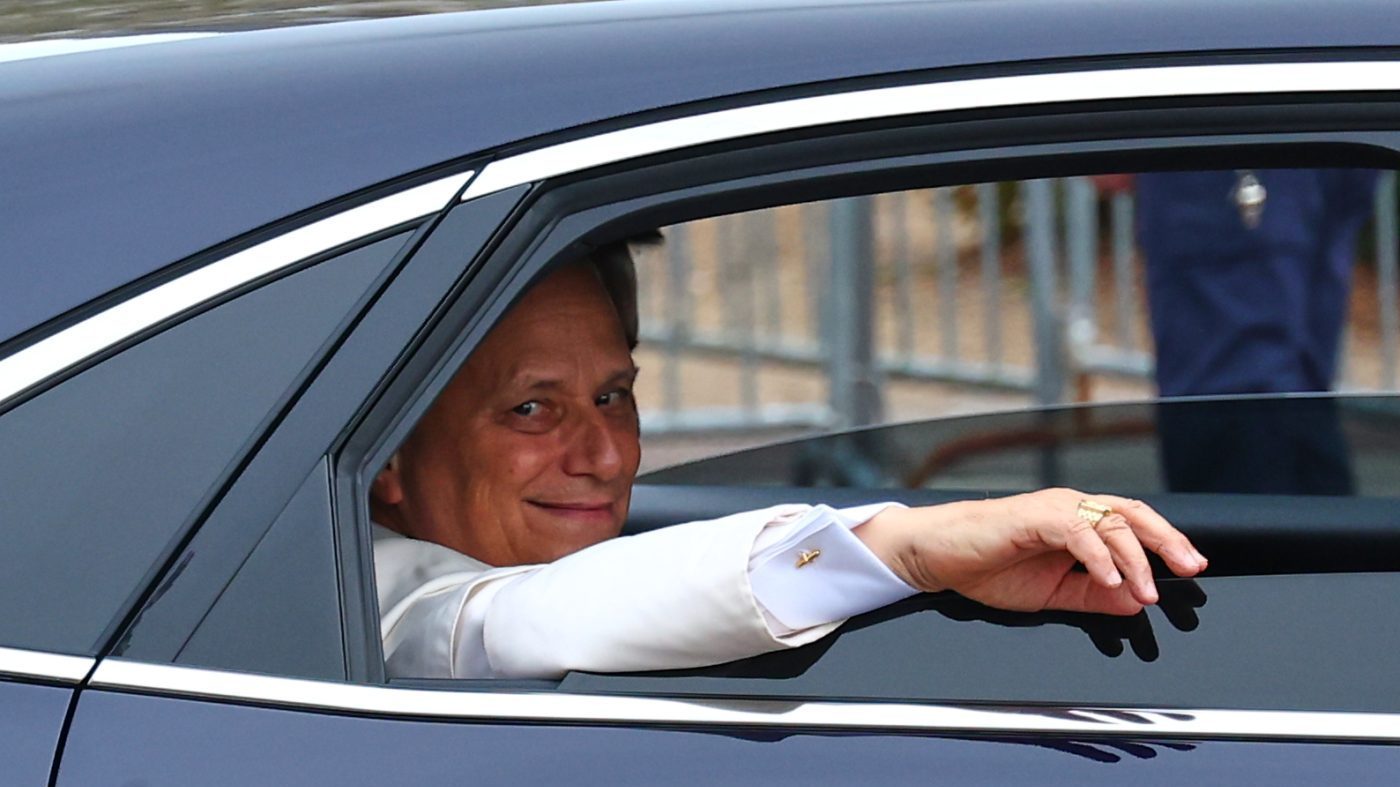
The Secretary, a frequent guest on popular shows like The Joe Rogan Experience and Club Random with Bill Maher, will host The Secretary Kennedy Podcast. He promises "fearless conversations" with independent doctors, scientists, and medical innovators to "lift the taboos and expose the hypocrisy and the conflicts and the corruption" in health policy. An HHS spokesman said the platform would engage the public on issues from chronic disease and nutrition to healthcare costs, bringing transparency to the conversations shaping national health.
Launch Follows Major Policy Setbacks
The podcast announcement arrives as Kennedy's signature "Make America Healthy Again" agenda confronts substantial obstacles. A federal judge recently blocked his administration's childhood immunization schedule, finding that most members he appointed to a key vaccine advisory committee were legally unqualified. This legal rebuke underscores the contentious nature of his policy push.
Furthermore, reports indicate dwindling White House support for Kennedy's ambitious plans to overhaul vaccine policy. Sources suggested last month that the administration considers the issue settled and is moving on, leaving the HHS secretary increasingly isolated in his crusade. This political dynamic mirrors broader tensions within the administration, similar to the escalating tensions reported between other cabinet secretaries.
Broader Context of Health System Challenges
Kennedy's focus on a failing health system taps into genuine public anxiety. The nation faces a crisis in specialist wait times and concerns that corporate healthcare consolidation threatens patient safety. His rhetoric also aligns with a historical pattern where public health funding follows a volatile cycle of boom and bust, undermining long-term stability.
The secretary's direct-to-public media strategy reflects a larger shift in political communication, where podcasters and independent media figures increasingly rival traditional party structures for influence, a trend noted in the fracturing of conservative media ecosystems. It also follows a wave of strategic media acquisitions by major players, such as OpenAI's purchase of a key tech podcast.
Kennedy's project launches against a backdrop of intense international focus, including Iran's mobilization tactics ahead of a U.S. ultimatum and deepening congressional divisions over military action, evidenced by impeachment articles filed against the Defense Secretary. With some lawmakers predicting inevitable troop deployment and others, like the House Armed Services Chair, condemning potential war as reckless, the administration's attention is fractured.
Ultimately, Secretary Kennedy's podcast is more than a media venture; it is a political maneuver. It establishes a platform from which he can advocate for policies stymied within the bureaucracy and the courts, directly appealing to the public while navigating significant internal and external resistance to his controversial health agenda.