The Commerce Department reported Thursday that the personal consumption expenditures (PCE) price index—the Federal Reserve’s preferred inflation gauge—rose to an annual rate of 3.5 percent in March, up sharply from 2.8 percent in February. The surge was driven largely by the ongoing war in Iran, which has disrupted global energy markets and pushed up prices across the board.
Excluding volatile food and energy costs, core inflation stood at 3.2 percent annually, still well above the Fed’s 2 percent target. On a monthly basis, prices climbed 0.7 percent in March, accelerating from a 0.4 percent gain in February.
Economists had anticipated the spike, warning that the conflict in the Middle East would exact a heavy toll on the U.S. economy. The war has sent oil prices soaring, with the Strait of Hormuz remaining closed and diplomatic talks stalled. In response, oil prices have spiked to $126 a barrel, feeding through to higher gasoline and heating costs for American households.
Political Fallout Intensifies
The inflation data lands at a politically sensitive moment for President Trump and congressional Republicans. Already under fire for their handling of the economy, the administration now faces fresh evidence that the Iran conflict is accelerating price growth. A recent poll found that 77 percent of voters hold Trump accountable for surging gas prices amid the Iran crisis, and Trump’s economic approval ratings have been sinking as hiring woes compound the inflation problem.
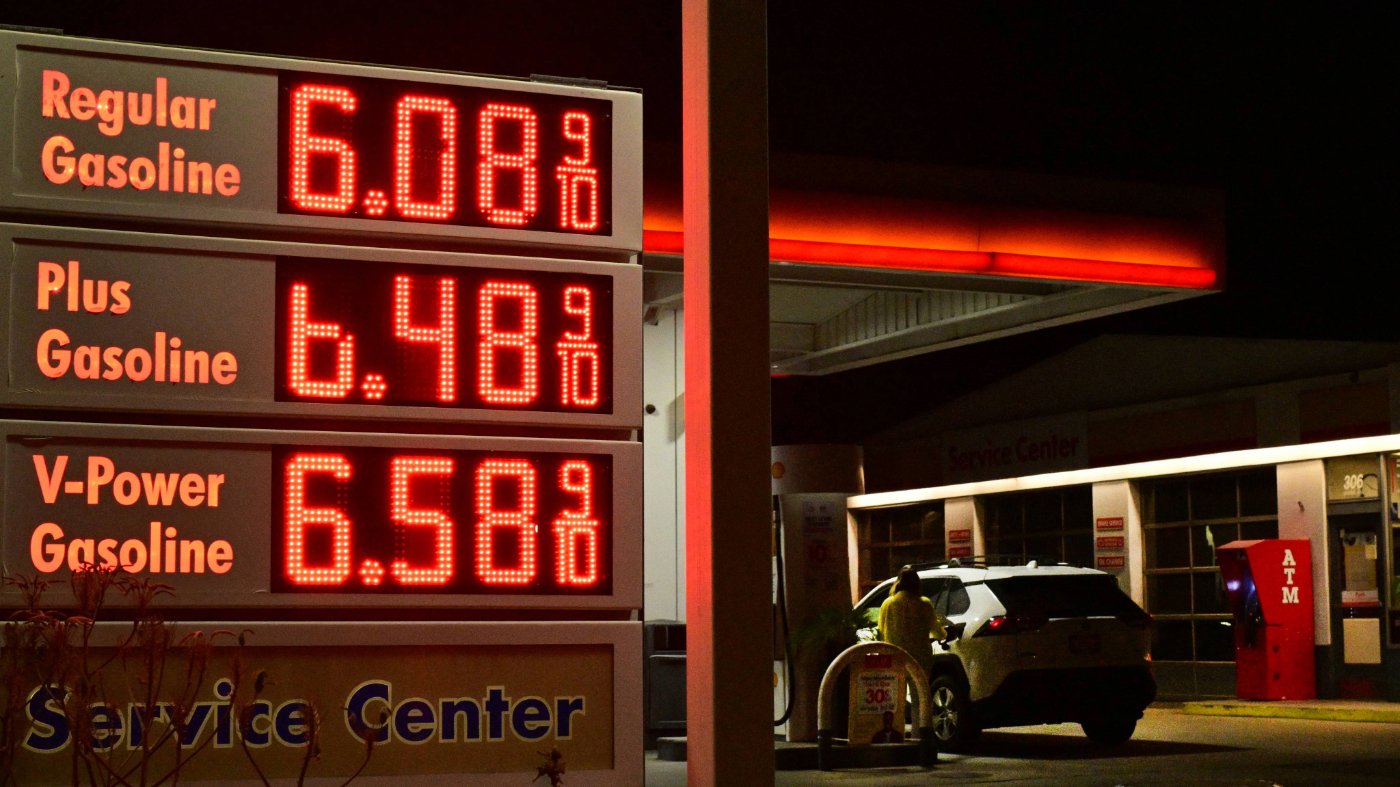
Gas prices have become a flashpoint. The national average has climbed past $4.23, and in the Great Lakes region, refinery problems have pushed prices above $4 in Michigan, Ohio, and neighboring states. The administration has taken steps to ease the pain, including extending a Jones Act waiver to allow more fuel shipments, but critics argue those measures are too little, too late.
Energy Market Turmoil
The Iran conflict has upended global oil markets. With the Strait of Hormuz effectively closed, crude supplies remain constrained, and energy giants like BP have seen profits double to $3.2 billion as prices surge. The White House has weighed an extended blockade of Iranian oil exports, but that strategy carries risks of further inflaming prices and alienating allies.
The Fed now faces a difficult calculus. With inflation running well above its target, the central bank may need to keep interest rates higher for longer, even as the economy shows signs of strain. President Trump has publicly pressured the Fed to cut rates, but the new data makes that politically fraught.
For voters, the pain is immediate. From the pump to the grocery store, the cost of living is rising, and the war in Iran shows no signs of abating. As the midterm elections approach, the inflation spike is likely to dominate campaign ads and stump speeches, with Democrats hammering Republicans on economic stewardship.