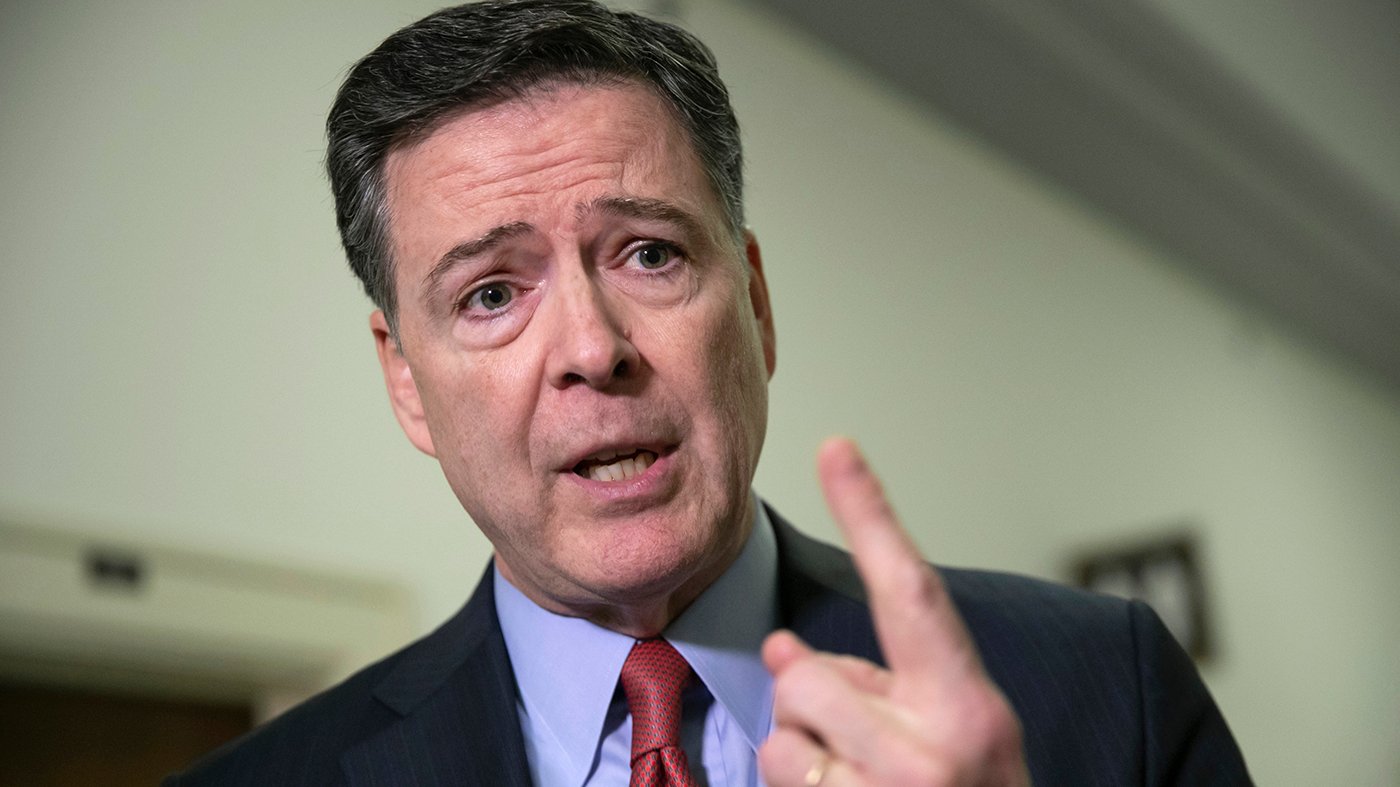
The Department of Justice's decision to prosecute former FBI Director James Comey over a photograph of seashells is generating discomfort among some Republicans and outright fury from Democrats, who see it as the latest example of President Trump weaponizing the agency against his enemies.
The charges center on a social media post by Comey that arranged seashells to spell out "86 47." The DOJ claims this was a coded threat to kill the president, who is the 47th president. Trump himself told CNN that "86" is a "mob term" meaning to kill someone, though Merriam-Webster lists multiple definitions, including "to reject" or "to refuse to serve." Comey has said he was unaware of the violent connotation and deleted the post after learning of it.
The indictment, a slim two-page document, accuses Comey of threatening to harm the president and transmitting a death threat. But critics argue the case is flimsy. Rep. Troy Nehls (R-Texas), a staunch Trump ally, called it "a stretch," adding, "You can indict anyone for anything." Sen. Thom Tillis (R-N.C.) warned that unless more evidence emerges, "We're going to regret this because we're setting a fairly low bar."
Democrats are more direct. Rep. Jamie Raskin (D-Md.) called the charges "surreal and absurd," accusing the administration of turning the DOJ into "an instrument of political revenge." Rep. Alexandria Ocasio-Cortez (D-N.Y.) said the agency's independence has been "dissolved." Former Rep. Charlie Dent (R-Pa.) described the case as "frivolous" and warned that future Democratic administrations could use such precedent to target Republicans.
Acting Attorney General Todd Blanche denied any presidential influence, telling CBS News the investigation had been ongoing for nearly a year and that a grand jury returned the indictment independently. But Trump's long history of attacking Comey—with over 250 online posts calling him a "dirty cop" and "one of the worst human beings"—undermines that claim. A leaked Truth Social message last year showed Trump complaining to then-Attorney General Pam Bondi about the lack of prosecution of Comey and other foes.
Legal experts are also skeptical. Law professor Jonathan Turley, often a Comey critic, wrote that the indictment appears "facially unconstitutional absent some unknown new facts." Former judge Andrew Napolitano has predicted the case will be dismissed as frivolous, a view echoed by ex-FBI Deputy Director Andrew McCabe, who called it a "DOJ misstep" and a sign of Trump's "retribution" agenda.
The case has already seen previous indictments against Comey and others dismissed by a judge who ruled a prosecutor was illegally appointed. That episode led to Bondi's ouster by Trump. Now, Comey made his initial court appearance Wednesday without commenting. If convicted, he faces up to 10 years in prison.
FBI Director Kash Patel defended the investigation, saying it took "nine, 10, 11 months" and was conducted methodically. But the political fallout is clear: even within the GOP, there is unease about setting a precedent that could be used against future administrations. As Dent put it, "What is the argument going to be?"