Diplomacy is often imagined as the domain of ministers and ambassadors, but the most enduring international partnerships are increasingly forged at the municipal and regional level. That is the argument of Randi Charno Levine, former U.S. ambassador to Portugal, who contends that local leaders are now indispensable to advancing American interests abroad.
Levine, now a distinguished fellow at the Atlantic Council's Scowcroft Center and a trustee of Meridian International Center, points to her time in Lisbon as evidence. When American tech giants, including data center operators, sought to expand in Portugal, national agreements set the stage, but success hinged on sustained engagement with mayors and regional officials. Cutting red tape for housing, linking companies to local communities, and helping residents understand new job opportunities were tasks no embassy could handle alone, she said.

The reverse also holds true. Portuguese firms exploring U.S. investments needed detailed knowledge of which states or cities offered the best regulatory and logistical environments. Those answers required relationships extending far beyond Washington, D.C.
This "subnational diplomacy" has moved from the periphery to the center of foreign policy. Foreign delegations now routinely visit cities like Phoenix and Kansas City, not just the capital, because governors and mayors heavily influence where companies invest and jobs are created.
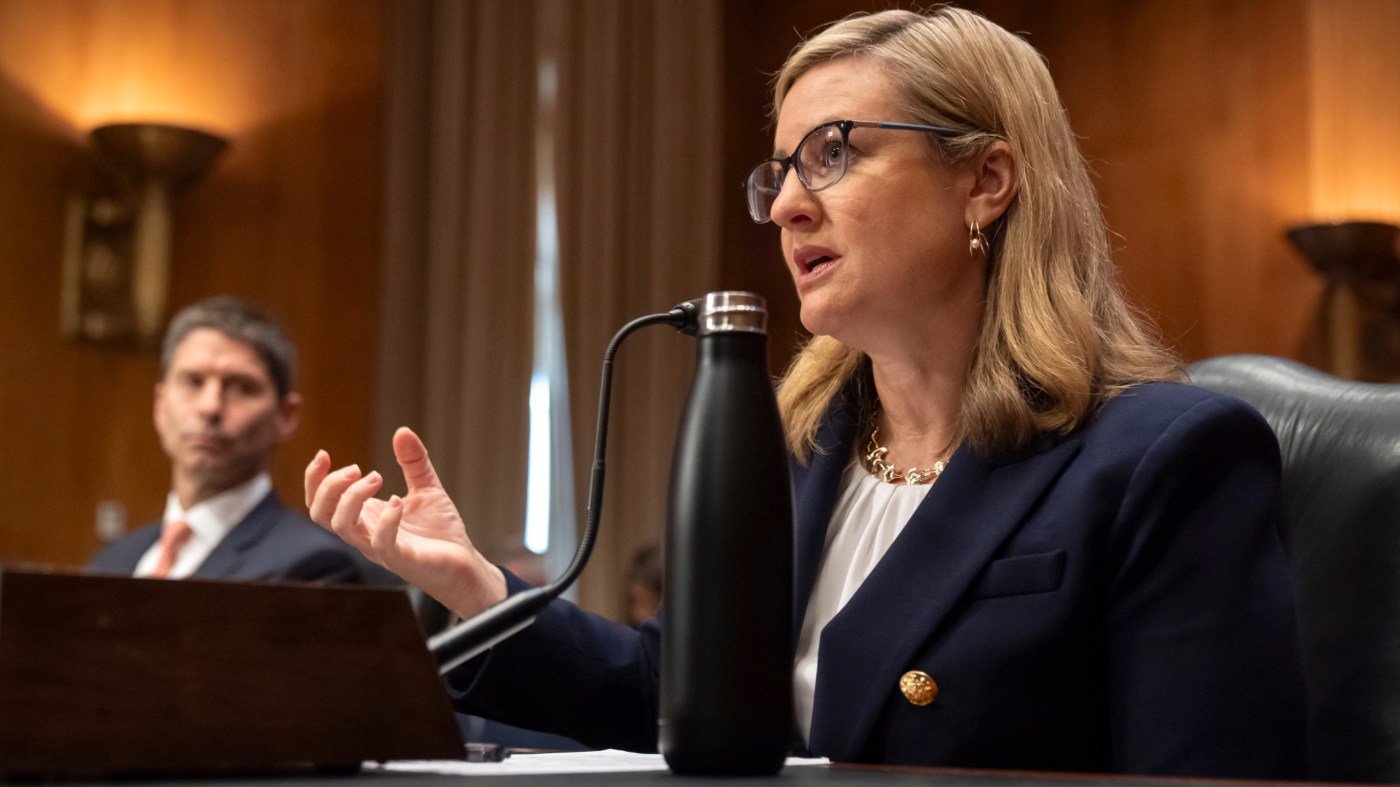
Phoenix Mayor Kate Gallego (D) told a Meridian seminar that a major semiconductor investment in her city "would not have happened without those subnational relationships," which enabled Phoenix to "get in the door and make the pitch for what is for our city a generational investment."
Local leaders bring a unique perspective. A mayor understands how trade and technology translate into opportunities on specific streets. A governor knows which workforce training programs can scale. As Marvin Rees, former mayor of Bristol and now a member of the House of Lords, told the same seminar, he could not deliver for his city without first influencing the national and international context in which it operated.
Levine emphasizes that trust built across a table rarely appears in treaties, yet it is what sustains projects when permits stall or companies need a reliable partner. She argues that national governments should treat subnational diplomacy as a strategic asset, bringing mayors and governors into economic and technology policy discussions earlier and more often. Embassies should also do more to connect foreign partners with American cities beyond the coasts and the capital.
In an era of rapid technological change, America's states and cities are engines of innovation. As Kansas City Mayor Quinton Lucas said, subnational diplomacy is "an opportunity for America to really exist and operate at its best."
The most consequential diplomacy of the coming decade may not happen at summits but at tables where mayors, executives, and foreign officials decide to build together. The job of American diplomats, Levine concludes, is to ensure that table is set.