As federal dollars flow to state and local health departments battling the worst measles outbreak in decades, infectious disease specialists say the administration's public messaging has been inconsistent—and in some instances, counterproductive.
The U.S. has now recorded more than 4,000 measles cases, and the number of measles-related deaths has already doubled compared to last year. Local health officials, stretched thin by the scale of the outbreak, are struggling to keep up.

“There’s so much measles out there that the chances of it popping up in different communities is really high,” said Adriane Casalotti, chief of government and public affairs for the National Association of County and City Health Officials (NACCHO). “The attention certainly at the local level is very much there.”
Federal support, but a messaging void
The Centers for Disease Control and Prevention (CDC) has allocated roughly $100 million in emergency funding to state, local, and tribal health departments for vaccination, prevention, and disease detection. This week, the agency announced it would send additional support to Pennsylvania, the state with the highest case count and the only one with confirmed measles deaths.
Yet despite this material assistance, public health veterans say what’s missing is a clear, consistent federal voice urging vaccination and outlining the risks of the outbreak. CDC Director Erica Schwartz, in the job for two months after a long vacancy, has said little publicly. In a September interview with Atlanta News First, she called measles “the most contagious disease” and reiterated that the MMR vaccine is “safe and effective.”
Jeanne Marrazzo, CEO of the Infectious Diseases Society of America and a leader at the National Institute of Allergy and Infectious Diseases, said a stronger national message could help address vaccine hesitancy.
“I don’t think that pronouncements from the federal government are necessarily going to fill that much more complex space where decision-making is impacted by a lot of things we often don’t understand or aren’t articulated,” Marrazzo said. “But I do think a national message can be crafted to encompass a more broad kind of acceptance of people’s vaccine hesitancy. We just haven’t really seen that because we haven’t seen a full-throated endorsement or explanation of why the vaccine right now is so critical.”
Friction over death counts
Some experts argue that what federal officials have said has actively hampered the response. Demetre Daskalakis, former director of the CDC’s National Center for Immunization and Respiratory Diseases and now chief medical officer at Callen-Lorde, pointed to the administration’s public questioning of Pennsylvania’s measles death toll.
“What is atypical is the friction created by CDC second-guessing Pennsylvania on their adjudication of deaths attributed or related to measles,” Daskalakis said. “It is also atypical to have a secretary that is a disinformation agent that distorts data to support his personal agenda.”
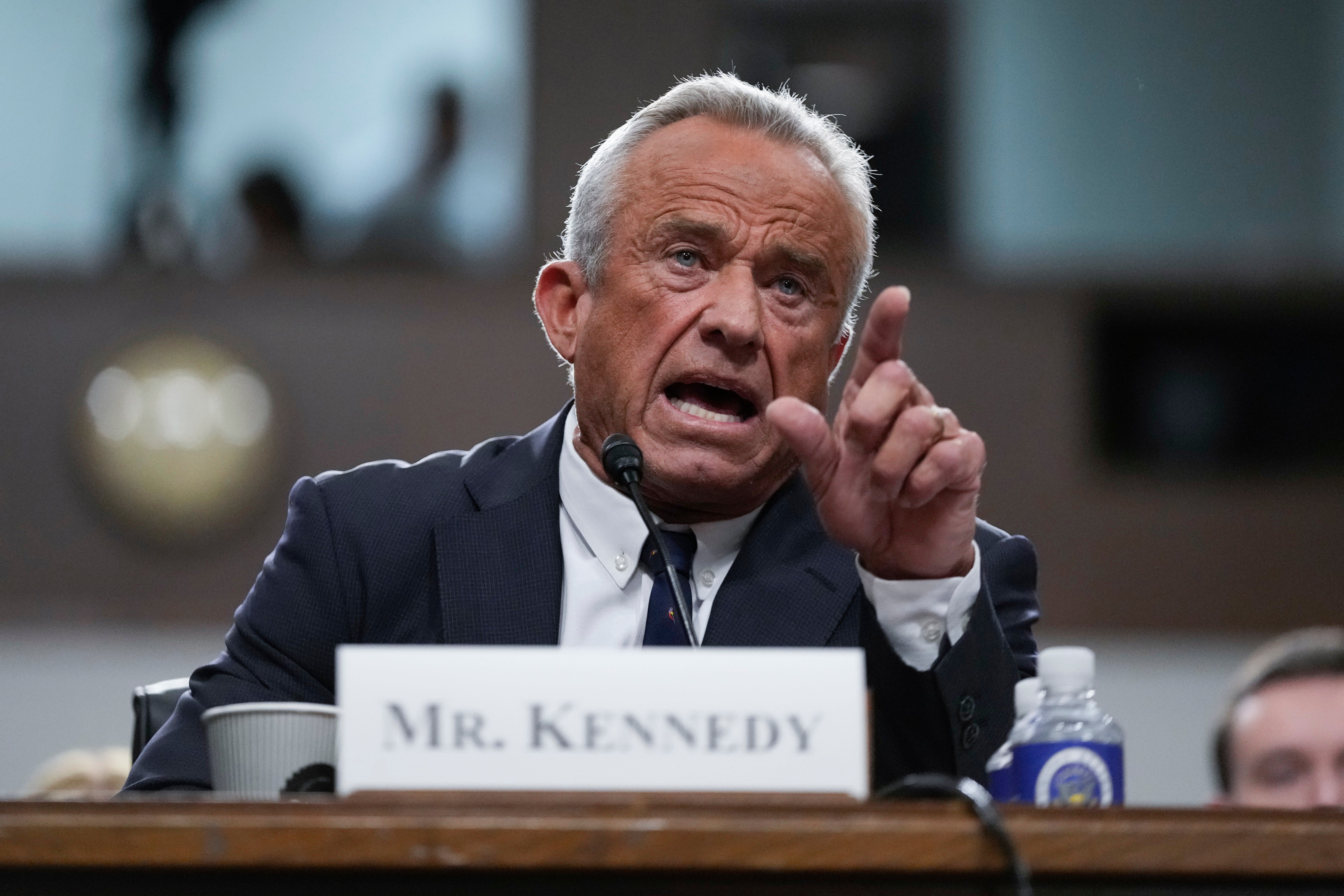
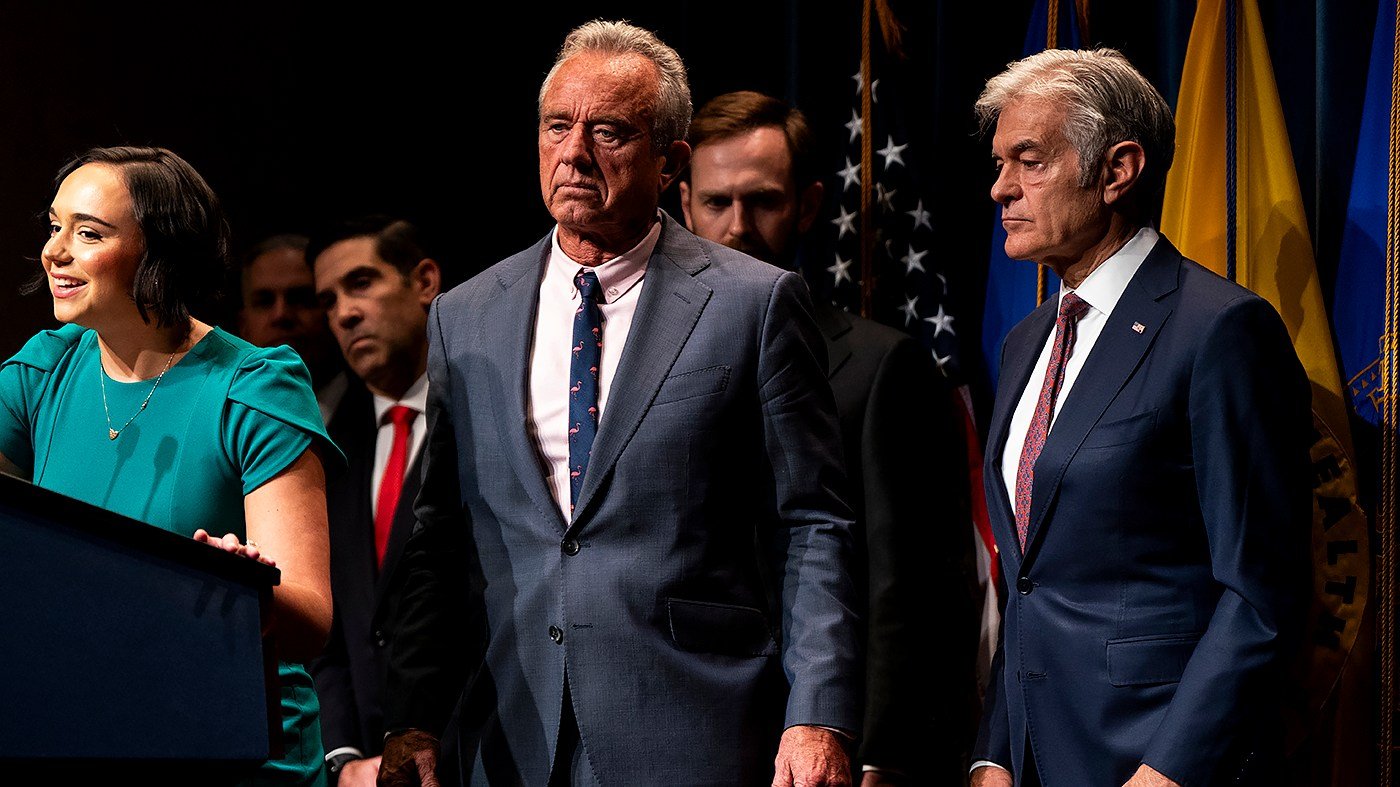
Daskalakis, who resigned from the CDC last year over alleged political interference, was referring to comments by Health and Human Services Secretary Robert F. Kennedy Jr. and Medicare chief Mehmet Oz, who both cast doubt on whether the Pennsylvania deaths were truly caused by measles.
The CDC’s official death tally does not include Pennsylvania’s six fatalities, because the agency switched to a different database that no longer allows real-time reporting from local jurisdictions. When asked about the discrepancy, Schwartz invoked the COVID-19 pandemic, saying definitions matter to avoid inflating death counts.
“A lot of Americans thought, you know, people are just adding deaths to make this thing look worse than it is. It was a terrible, terrible thing that we had to go through. But definitions matter,” Schwartz said.
Local officials caught in the crossfire
Casalotti said mixed signals from Washington make it harder for local health departments to do their jobs—and for the public to know what to do.
“When there are mixed messages coming at any of the levels of governmental public health, it makes it a lot harder for the local health departments to do their job,” she said. “But it also makes it harder for people to figure out ‘What should I be doing?’ when you’re hearing different things.”
The outbreak has now spread to 42 states, and Kennedy’s long history of questioning vaccine safety has only added to the confusion. As cases continue to climb, public health officials are urging the administration to use its platform to deliver a clear, unified message about the importance of vaccination.