As Democratic leaders push for stricter oversight of artificial intelligence and energy, Republicans are eyeing a chance to claim the mantle of technological progress while delivering tangible benefits to their constituents. The next wave of computing infrastructure is increasingly being built in rural, Republican-leaning states, where land is cheaper, power is more abundant, and permitting is faster.
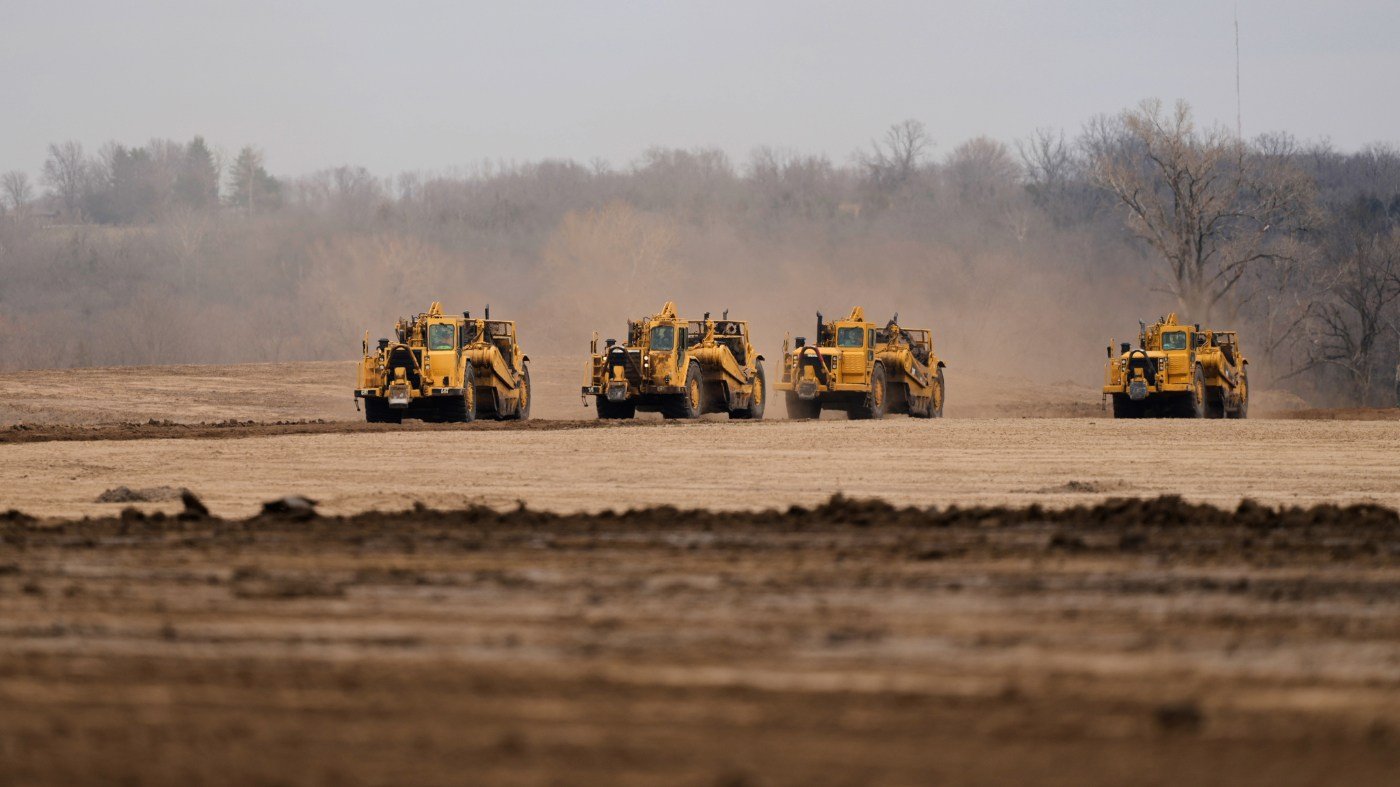
This geographical shift is not accidental. Data centers require vast amounts of electricity and cooling, and the physics of heat dissipation, combined with lower land costs and better grid access, give sparsely populated areas a natural edge. Google's recent $4.3 billion deal to reopen a nuclear plant in Iowa and upgrade reactors in several other states underscores the trend. The company signed a 20-year power purchase agreement, with the first upgraded plant expected to deliver electricity by 2028.

According to industry analyses, the average distance of new data centers from major cities has jumped from 46 kilometers in the previous generation to 175 kilometers for those planned by 2028. This move toward rural locations is a boon for the South and other Republican strongholds, which are capturing the lion's share of new projects. The commercial real estate firm JLL found that the vast majority of data centers under construction are in states that voted for President Trump in 2024, with two-thirds headed to rural counties.
The economic impact is substantial. Loudoun County, Virginia, the current global epicenter of data centers, is projected to receive $1.3 billion in tax revenue from the industry next year—roughly 40% of the county's budget. That money has funded schools, parks, and infrastructure, and allowed a 30% cut in residential property taxes. Local officials say data centers support 15,000 jobs in the broader economy.
Geography is only part of the story. Red-state legislatures and utility commissions have moved faster on permitting and legal reforms, compounding the natural advantages. California, by contrast, illustrates the obstacles blue states face. The state's aggressive push for 100% green electricity by 2045, along with the planned shutdown of the Diablo Canyon nuclear plant, has created structural power shortfalls that cap data center growth. The Pacific Research Institute notes that these policies raise costs and legal risks, effectively vetoing a key source of future economic growth.
The ideological constraints on energy are not just a domestic issue. They threaten to hand a strategic advantage to China, which has no qualms about expanding its energy supply or computational power. Some Democrats have even proposed outright bans, such as the AI Data Center Moratorium Act introduced in July by Rep. Alexandria Ocasio-Cortez (D-N.Y.) and Sen. Bernie Sanders (I-Vt.). That legislation would impose a temporary federal pause on new data center construction, a move critics say would cede global leadership to Beijing.
America currently leads in AI software and frontier model development, but even left-leaning think tanks like the Brookings Institution warn that this edge is at risk. The bottleneck is policy: a data center can be built in as little as two years, but power lines and substations can take up to 15. Without abundant, affordable, and reliable electricity, even the best models cannot scale.
This dynamic hands Republicans a political opening. By championing a pro-growth stance that embraces AI and energy expansion, they can boost red-state economies while securing U.S. technological supremacy. The question is whether they will seize the opportunity as voter backlash over AI deregulation looms and midterm races tighten. For now, the data center boom is a quiet revolution that favors the GOP—if they are wise enough to press the advantage.