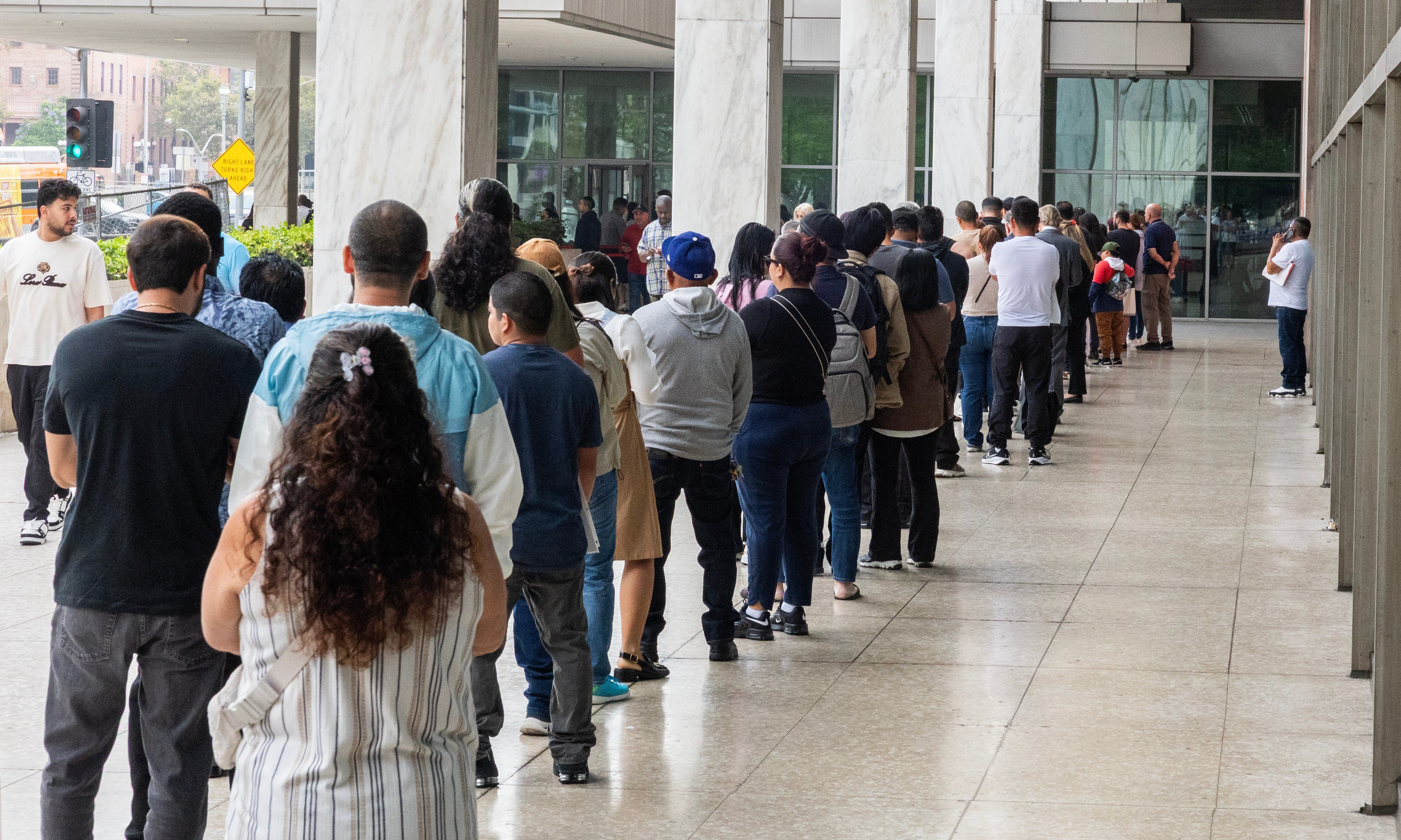
The Trump administration's aggressive push to shrink the nation's immigration court backlog has introduced a controversial tool: mega master calendar hearings. These high-volume sessions, which can process up to 150 cases at once, have dramatically increased the number of in absentia removal orders. But legal experts warn that the strategy's success hinges on whether the resulting orders can survive judicial review.
For the first time in over a decade, the immigration court backlog is shrinking. According to a Justice Department official speaking to KPBS, reducing this backlog is a top priority. The backlog peaked at over 3.7 million cases in fiscal 2024, but by fiscal 2025, the Trump administration had cut it to under 3.5 million. As of today, the number stands at roughly 3.2 million.

To accelerate this progress, the administration in May 2026 expanded master calendar hearings from handling 20 to 30 aliens to up to 150. These mega hearings are not trials on the merits; they are administrative sessions for pleadings, scheduling, and advising aliens of their rights. The result has been a record surge in in absentia removal orders—from 35,000 in May to 54,000 in June.
Immigration advocates argue that mega hearings are a rubber-stamp process that denies aliens a fair chance to present their cases. They contend that many aliens are being removed without ever having a merits hearing where they could apply for asylum or other relief. However, the administration counters that aliens who fail to keep the court informed of their address are inevitably subject to in absentia proceedings, regardless of the hearing format.
The legal landscape is fraught with potential pitfalls. Aliens who miss hearings can file motions to reopen, and they may appeal denials to the Board of Immigration Appeals (BIA) and then to federal court. Key issues likely to be litigated include whether proper notice was provided, whether the alien had adequate time to secure counsel, and whether the government met its burden of proof for removal.
One contentious point is the right to counsel. The BIA has ruled that the only fixed timing requirement is the 10-day minimum between notice and hearing. While judges can grant continuances for good cause, denials can be challenged. If a removal order is issued after a denied continuance, the alien can file a motion to reopen.
Another major issue is the validity of the in absentia order itself. A removal order cannot be based solely on an alien's absence; the Department of Homeland Security must prove by clear, unequivocal, and convincing evidence that notice was provided and that the alien is removable. These findings are ripe for challenge.
To minimize litigation, immigration judges need proper training to conduct these mega hearings fairly and without due process violations. As one expert noted, mega master calendar hearings will only reduce the backlog if they produce legally sustainable orders.
The administration's approach is part of a broader crackdown on immigration, including efforts to reinstate border asylum bans and high-profile deportations. But the legal challenges are mounting, and courts are scrutinizing the administration's tactics. For now, the mega hearings are a gamble: they may clear the docket, but if courts overturn the orders, the backlog could quickly return.