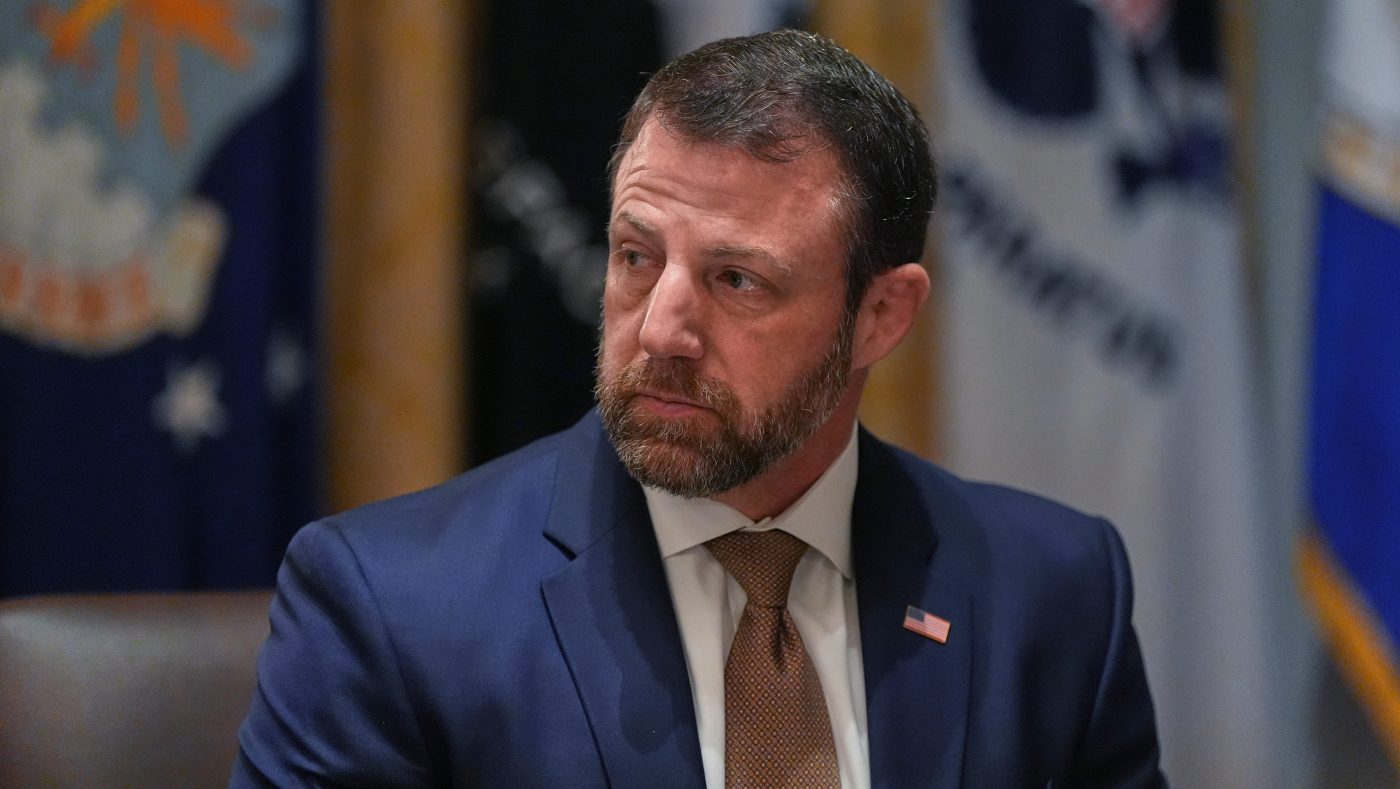
The Department of Homeland Security has formally abandoned a signature procurement policy of the Noem era, eliminating a requirement that the secretary personally approve every contract valued above $100,000. The move by Secretary Markwayne Mullin, confirmed in a statement Wednesday night, reverses a directive that had become a focal point of internal criticism for causing significant delays in department funding and operations.
A Swift Reversal
In his first major procedural change, Mullin rescinded the memo that established the high-value contract review, a rule instituted by his predecessor, Kristi Noem. A department spokesperson stated the action was taken after Mullin “re-evaluated the contract processes to make sure DHS is serving the American taxpayer efficiently.” The spokesperson added that ending the review would “streamline the contract process and empower components to carry out their mission to protect the homeland.”

The policy's demise follows months of controversy within DHS, which culminated in Noem's removal and Mullin's installation. The department has faced intense scrutiny, particularly after the fatal shootings of U.S. citizens Alex Pretti and Renee Good in Minneapolis earlier this year, which amplified existing tensions over its management and direction.
"That's Called Micromanaging"
Mullin telegraphed this reversal during his confirmation hearing last month before the Senate Homeland Security and Governmental Affairs Committee. When pressed by Senator Andy Kim (D-N.J.) on whether he would commit to discarding the review policy, Mullin responded unequivocally. “Absolutely,” he said. “That’s called micromanaging, and I don’t know if the secretary put that in or someone else did. I’m not a micromanager.”
This stance marks a clear philosophical shift from the previous administration's hands-on approach to departmental spending. The $100,000 threshold had ensnared a vast number of routine procurements, creating a bottleneck at the secretary's desk and slowing the disbursement of funds for everything from technology upgrades to facility maintenance.
Broader Context of DHS Turmoil
The policy reversal occurs against a backdrop of persistent challenges for the sprawling department. Internal management disputes and external crises have tested its stability, while broader political fights, like the recent GOP leadership rift that stalled a homeland security funding deal, complicate its budgetary future.
Furthermore, the department's mission intersects with growing national security concerns that extend beyond traditional borders. These include vulnerabilities in critical supply chains, such as the documented U.S. pharmaceutical dependence on China, and emerging technological threats, highlighted by lawmakers like Rep. Gottheimer who has demanded answers from AI firm Anthropic over security backslides.
Mullin's decision to dismantle the review process is his first significant step to put his own stamp on the department's bureaucracy. It signals a preference for delegating authority back to agency components, ostensibly to accelerate their work. However, it also removes a layer of centralized oversight that Noem had argued was necessary for fiscal accountability in one of the federal government's largest and most critical agencies.
The long-term impact of this change will be measured by whether it truly enhances operational efficiency without compromising oversight, a balance that has proven difficult for the department amid evolving threats and persistent political pressure.