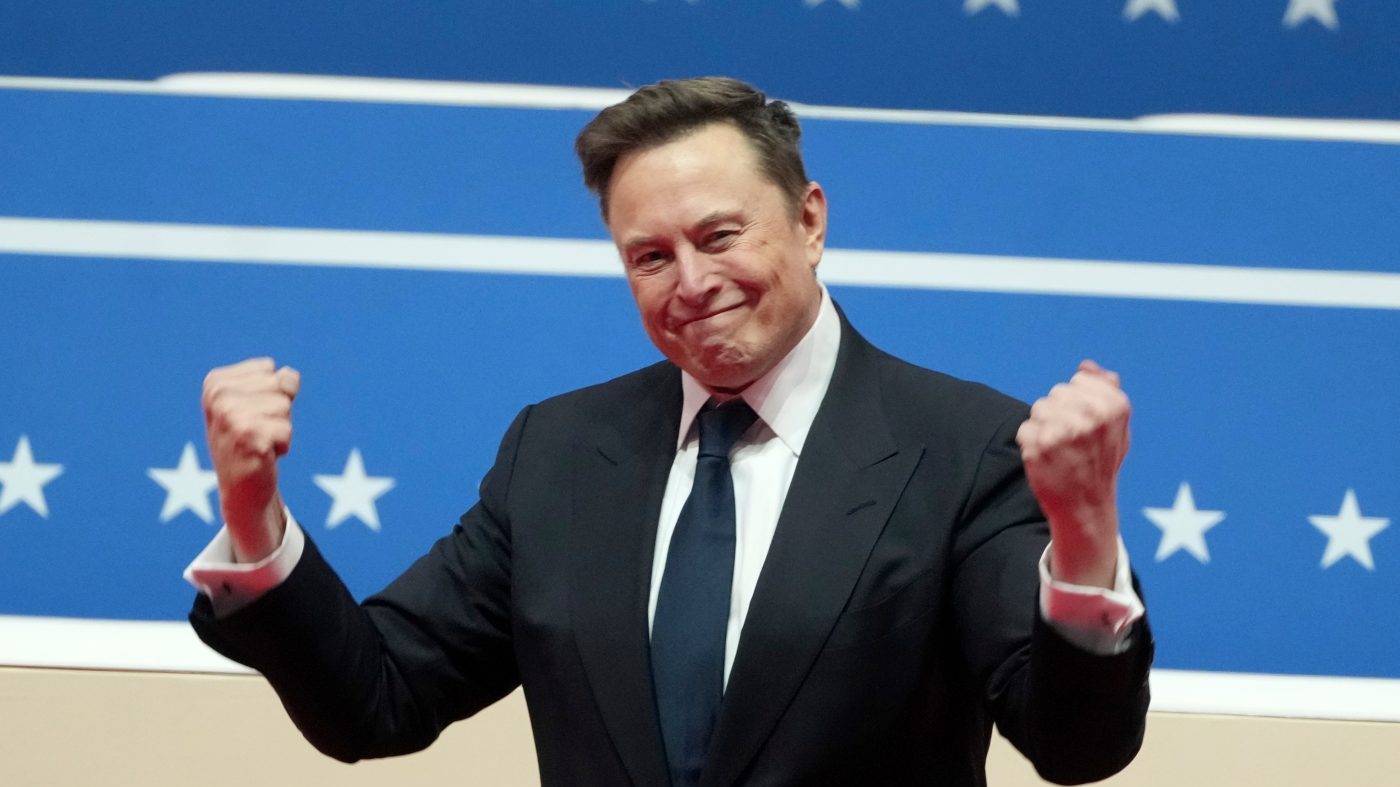
Elon Musk has agreed to settle two lawsuits stemming from his $1 million giveaways to voters in key battleground states during the 2024 election, according to court filings made public on Thursday. The lawsuits, filed in the U.S. District Court for the Western District of Texas, accused the Tesla and SpaceX CEO of defrauding voters when his political action committee, America PAC, offered daily $1 million prizes to swing-state residents in the run-up to the general election.
Musk first announced the giveaway in October 2024 in Pennsylvania, then extended similar offers to voters in Michigan, Nevada, Arizona, Georgia, Wisconsin, and North Carolina. At a town hall event in Pennsylvania, Musk told a handpicked recipient, "The only thing we ask for the million dollars is that you be a spokesperson for the petition." The petition was aimed at supporting conservative causes, including opposition to "activist judges."
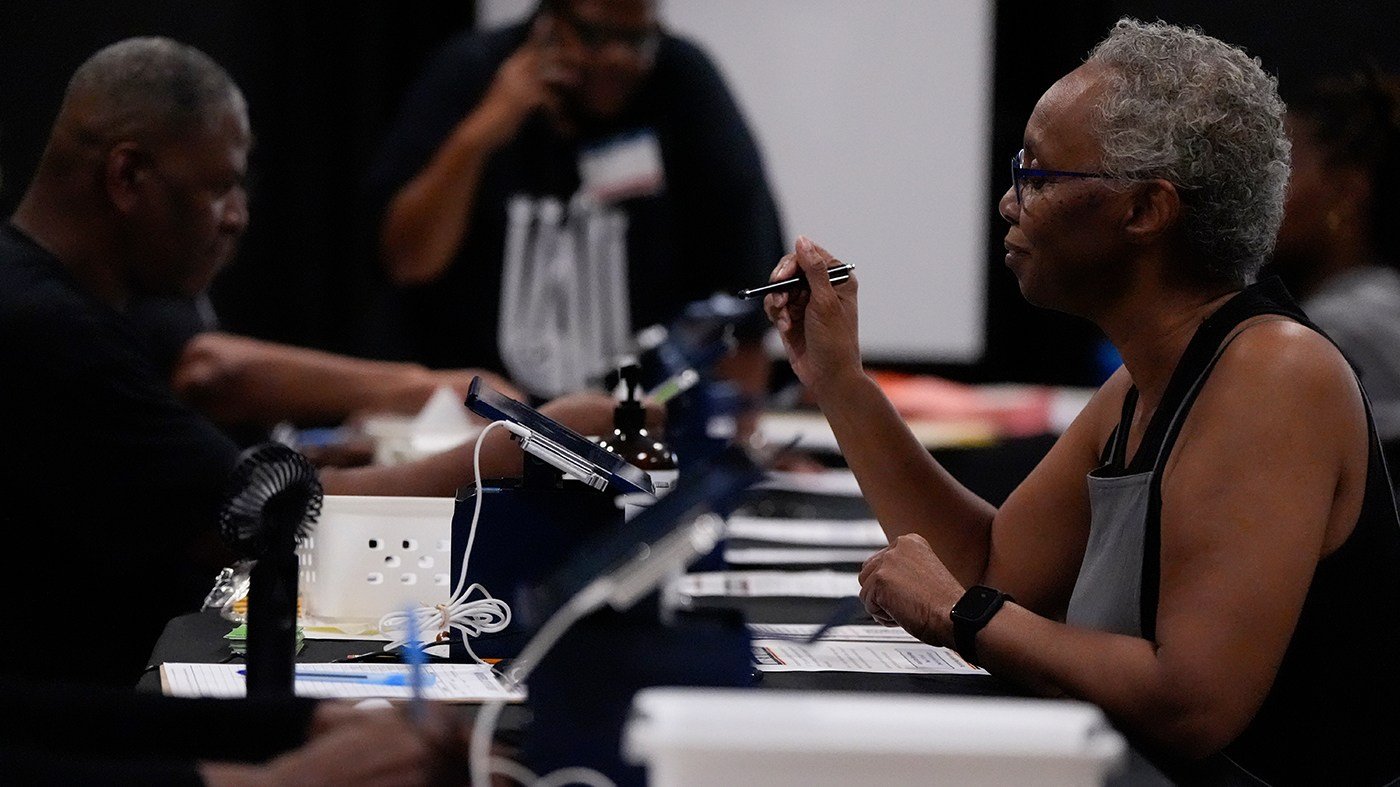
The plaintiffs argued that voters were misled when they signed the petition, believing they were entering a random lottery. However, Musk later admitted in a Philadelphia court that winners were not chosen randomly but were selected to serve as "spokespeople for the group." The lawsuits contended that this misrepresentation constituted fraud.
Musk had been ordered to testify under oath in June, but the settlements were reached before he could be deposed. The terms of the settlements were not disclosed in the public filings, and representatives for both Musk and the plaintiffs did not immediately respond to requests for comment.
In a separate but related episode, Musk made a similar $1 million offer in Wisconsin during the state's Supreme Court election in 2025. Initially, he said on his social media platform X that he would hand out two checks for $1 million each to attendees of a rally, with entry limited to those who had voted in the election. About 12 hours later, he deleted that post and replaced it with a clarification that entry would be restricted to those who signed a petition against "activist judges," and that the money would go to "spokesmen" for the petition. He subsequently distributed two checks at a rally in Wisconsin.
Despite the controversy, La Crosse County District Attorney Tim Gruenke, a Democrat, announced in August that his office would not press charges over the handouts, concluding that "nobody was paid anything of value for voting or promising to vote."
Musk's favored candidate in that race, conservative Brad Schimel, lost to Democratic-backed Susan Crawford, preserving the liberal majority on the Wisconsin Supreme Court.
While Musk has not made similar pledges in the current election cycle, he is positioning himself as the largest known donor for Republicans in the 2026 midterms. His political spending has drawn scrutiny, especially as corruption tops voter concerns in recent polls. The settlements, though, close a legal chapter without a public admission of wrongdoing, leaving questions about the legality of such giveaways unresolved.