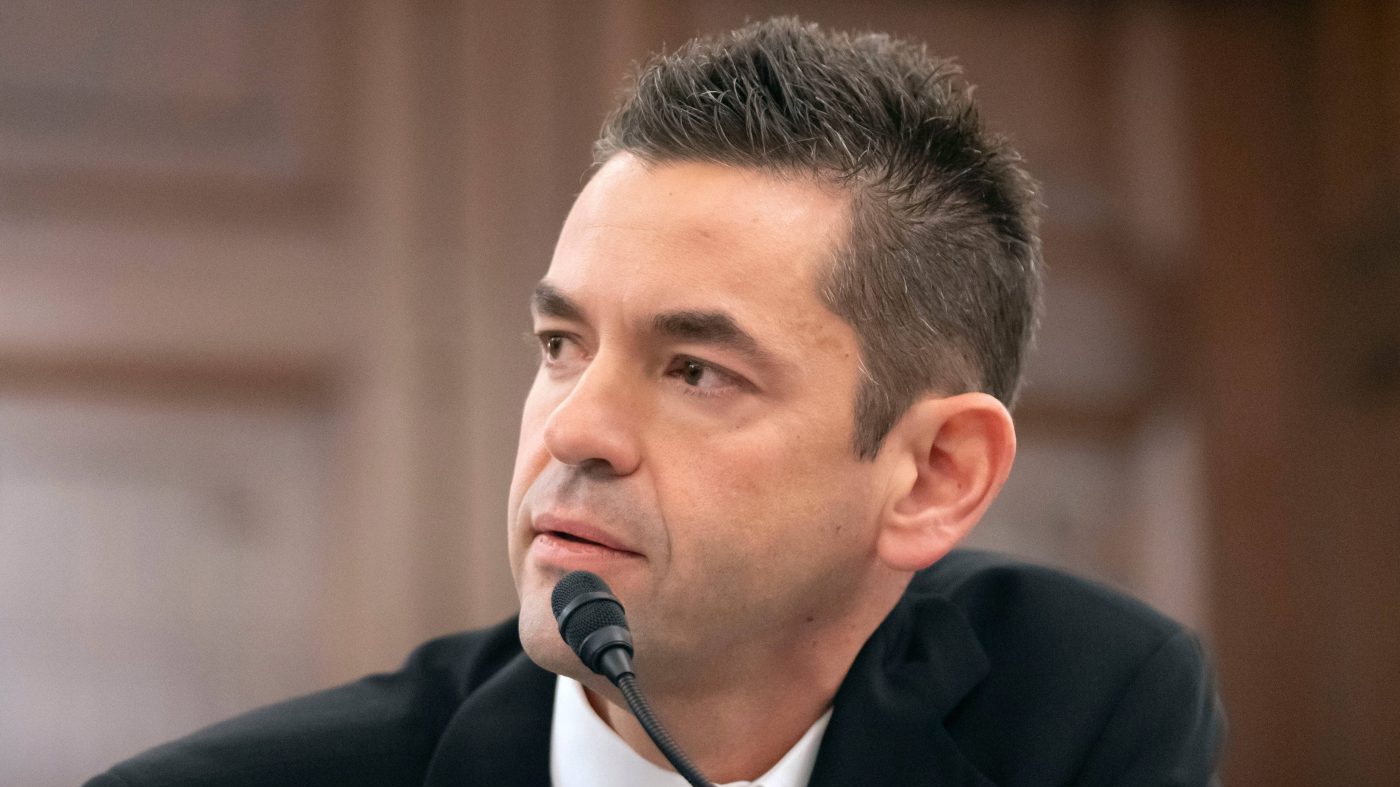
NASA Administrator Jared Isaacman appeared before the Senate Appropriations Committee on Tuesday morning to defend President Trump's fiscal 2027 budget request, which proposes a steep cut to the space agency's funding even as it celebrates a historic return to the moon.
The administration is requesting $18.8 billion for NASA in fiscal 2027, a $5.6 billion reduction from the enacted 2026 level. Isaacman has argued that the decrease is offset by the $10 billion allocated to the agency under the One Big Beautiful Bill Act, a broader legislative package that includes space-related spending.
Artemis II Success and Budget Tensions
The hearing comes just weeks after NASA completed the Artemis II mission, the first crewed lunar voyage in more than 50 years. The four-person crew traveled farther into space than any humans before, marking a major milestone for the agency's moon-to-Mars ambitions.
Isaacman, a billionaire entrepreneur and former private astronaut, has been a vocal advocate for commercial partnerships and streamlined operations. But the proposed cuts have drawn scrutiny from lawmakers on both sides of the aisle, who question whether the agency can sustain its lunar timeline with reduced funding.
Senators are expected to press Isaacman on how NASA plans to balance the budget shortfall with the high costs of the Artemis program, which includes the Space Launch System rocket, Orion capsule, and lunar lander development. The administration has emphasized that the $10 billion from the One Big Beautiful Bill Act will cover some of these expenses, but critics argue that the funds are not directly tied to NASA's core exploration budget.
Political Context and Broader Implications
The budget debate unfolds against a backdrop of broader fiscal battles in Washington. The House GOP is facing a crucial week on budget blueprint negotiations, and defense spending has become a flashpoint as European NATO spending surges amid U.S. cuts. The NASA hearing also touches on technology and policy issues, including the agency's role in space-based research and international partnerships.
Isaacman's testimony is part of a series of high-profile appropriations hearings this spring. Earlier this month, HUD Chief Scott Turner detailed a shift away from disparate impact enforcement, while FBI Chief Patel vowed an overhaul of WHCA dinner security after a shooting incident. The NASA budget is also linked to broader energy and defense concerns, as the IEA chief recently warned that global energy security is at a historic breaking point amid ongoing conflicts.
What's Next
The hearing, which began at 10 a.m. EDT, is expected to last several hours. A livestream is available for those following the proceedings closely. The outcome could shape not only NASA's immediate funding but also the political narrative around the Trump administration's space policy ahead of the 2028 election cycle.
As the agency eyes a return to the moon and eventual missions to Mars, the budget fight underscores the perennial tension between ambitious exploration goals and fiscal constraints. Isaacman's defense of the cuts will likely be a key test of his leadership and the administration's commitment to space exploration.