
With just days until the midterm elections, two new polls from CNN/SSRS released Thursday indicate that Democratic candidates hold slim advantages in the Kansas and Maine Senate contests, though both leads fall within the margin of error. The findings underscore the competitive nature of these races as both parties pour millions into last-minute advertising and get-out-the-vote efforts.
Kansas: Hamilton Surges Ahead of Marshall
In Kansas, Democrat Adam Hamilton leads Republican incumbent Sen. Roger Marshall by four points—49 percent to 45 percent among likely voters. Hamilton's performance is notable in a state that hasn't sent a Democrat to the U.S. Senate in nearly a century. His favorable ratings are a key factor: voters view him net positively by 3 points, while Marshall is viewed net negatively by 17 points.
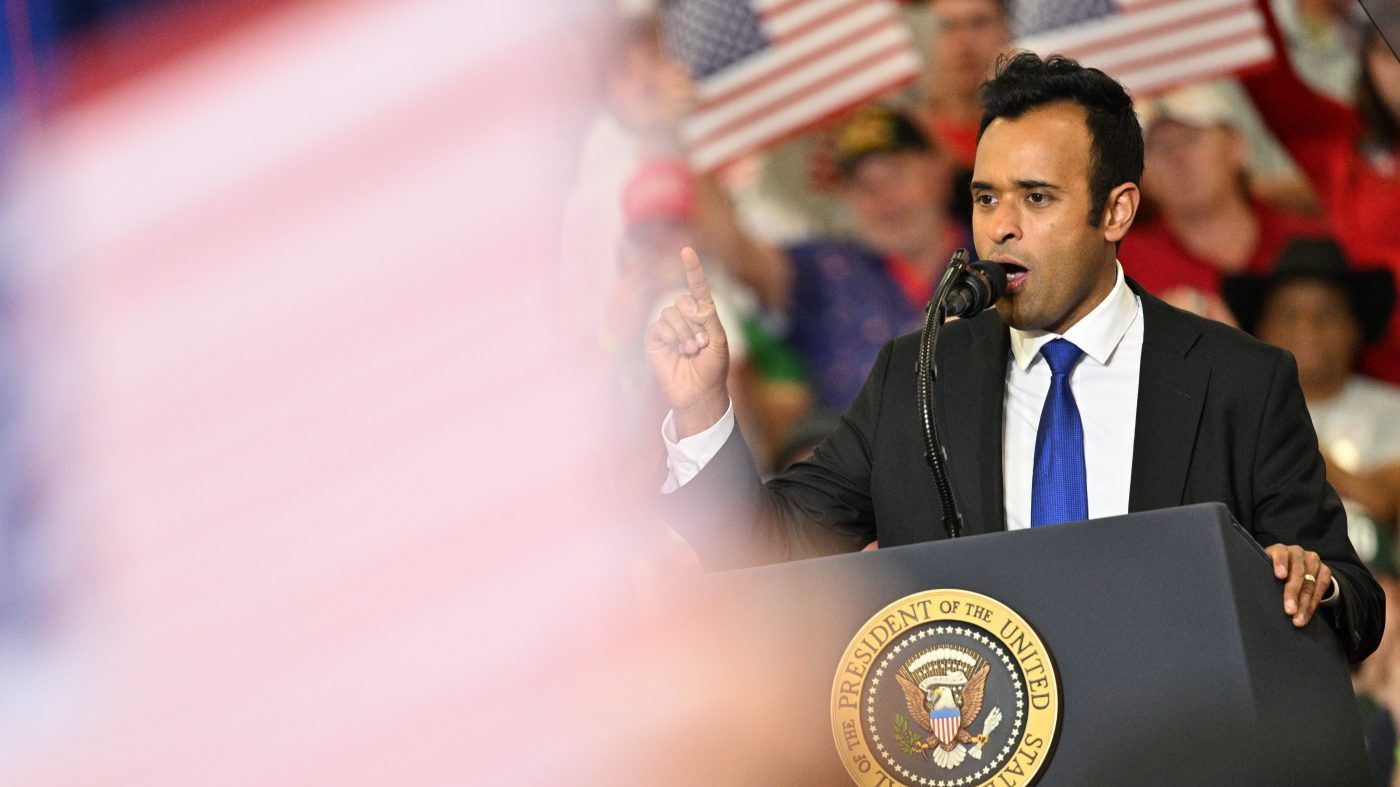
The economy remains the dominant concern for Kansas voters, with 43 percent citing the cost of living as their top issue. Despite President Trump winning Kansas by 16 points in 2024, the Senate race has tightened in the final stretch. Trump visited the state earlier this month, but the White House confirmed Friday that he canceled a planned weekend rally without providing a reason. This development has added uncertainty to the GOP's closing message.
Nonpartisan forecaster Decision Desk HQ (DDHQ), a partner of The Hill, still gives Marshall a 58 percent chance of winning, labeling the race a “toss-up.” However, the polling trend suggests momentum for Hamilton.
Maine: Jackson Maintains Edge Over Collins
In Maine, Democrat Troy Jackson holds a similar four-point lead over Republican Sen. Susan Collins—49 percent to 45 percent—a slight expansion from CNN's August survey, which had Jackson ahead by three. Collins has historically overperformed in a state that leans Democratic; she won reelection in 2020 by nine points even as Joe Biden carried the state by the same margin.
The poll reveals a stark enthusiasm gap. Among Collins voters, 74 percent say they are voting to support her, while only 26 percent of Jackson supporters say they are voting for him—73 percent say their vote is primarily to oppose Collins. This dynamic could affect turnout, though Jackson's campaign hopes that anti-Collins sentiment will be enough.
DDHQ gives Jackson a 57 percent chance of defeating Collins, also characterizing the race as a toss-up.
Senate Control in Play
At the start of the cycle, Democrats faced a narrow path to a Senate majority, and unseating Collins in Maine seemed almost essential. But the political environment has shifted, with Democrats now competitive in traditionally red states like Ohio, Texas, Kansas, Alaska, and even South Carolina, where a recent poll showed a tie. This expansion of the map has opened multiple routes for Democrats to flip the chamber.
DDHQ currently gives Democrats a 60 percent chance of winning the Senate. The party's hopes hinge on strong performances in these unexpected battlegrounds, as well as in states where split-ticket voting could play a decisive role.
The CNN/SSRS polls were conducted October 20-27 among 838 likely voters in Kansas and 783 in Maine, with margins of error of 4.5 points.