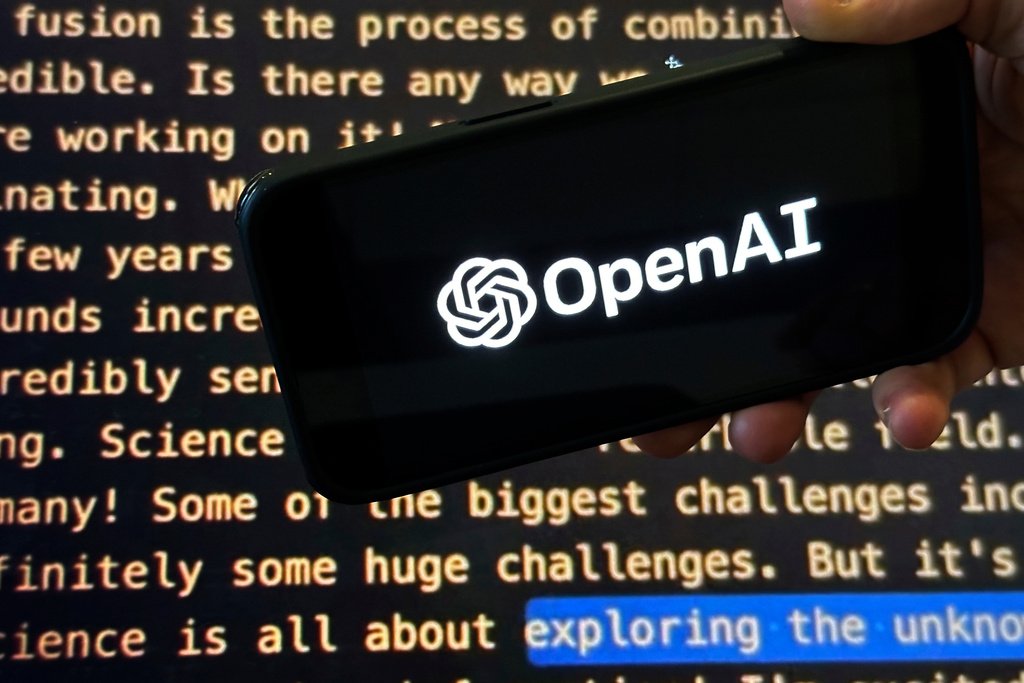
OpenAI said Friday it will hold back the full public rollout of its next-generation GPT-5.6 model series, instead offering an early preview to a select group of partners after the U.S. government asked the company to stagger the release over cybersecurity worries.
The ChatGPT maker disclosed that it had briefed Washington on the capabilities of the three variants—Sol, Terra, and Luna—and, at the administration’s request, will begin with a “small group of trusted partners” before making the models widely available in the coming weeks. OpenAI confirmed it has shared the list of participating partners with the government.
The move follows a report by The Information that the Trump administration had asked OpenAI to slow the rollout of its latest model due to security concerns, citing an internal memo from CEO Sam Altman. OpenAI reiterated that message in a public statement: “During this preview, we will continue testing and coordinating closely with partners as we work toward broader availability.”
But the company also pushed back on the precedent, writing: “We don’t believe this kind of government access process should become the long-term default. It keeps the best tools from users, developers, enterprises, cyber defenders, and global partners who need them.” OpenAI framed the delay as a “short-term step” and said it was “the strongest path to broader availability in the coming weeks, while we work with the Administration to develop the cyber Executive Order framework and a repeatable process for future model releases.”
White House’s Growing Role in AI Releases
President Trump earlier this month signed an executive order establishing a voluntary testing framework that allows AI labs to submit their models to the government up to 30 days before launch for risk assessment. While the administration stressed that participation is not mandatory, critics warned the policy would effectively create a de facto approval system. This week’s events appear to confirm those fears.
This is not the first time the White House has intervened since the order took effect. Earlier this month, the administration directed Anthropic—an OpenAI competitor—to pull its newly released Fable and Mythos models over security concerns. Anthropic complied within hours, disabling the models after receiving a federal export control order that barred foreign nationals from using them. The incident drew sharp backlash from AI policy advocates, who accused the White House of taking an “ad hoc” approach that could stifle innovation and set a dangerous precedent for government influence over AI development.
Dean Ball, a senior fellow at the Foundation for American Innovation and a co-author of Trump’s AI Action Plan, wrote on X that “in a matter of weeks, U.S. federal AI policy has gone from implausibly libertarian to increasingly draconian and opaque.” When Trump signed the executive order, Ball warned it was “really establishing a de facto involuntary licensing/preapproval regime for frontier models.”
The administration’s latest request has also drawn scrutiny from industry observers. Some see parallels to growing talk of the government taking equity stakes in major AI firms, a move that would align the White House with progressive calls for tighter control over the technology. Meanwhile, public trust in federal institutions continues to erode, adding pressure on both parties to clarify the rules of engagement.
OpenAI’s decision to comply with the request—while publicly opposing it—underscores the delicate balance the company must strike between innovation and regulation. As the debate over AI governance intensifies, the coming weeks will test whether the administration’s approach can satisfy both security hawks and free-market advocates.