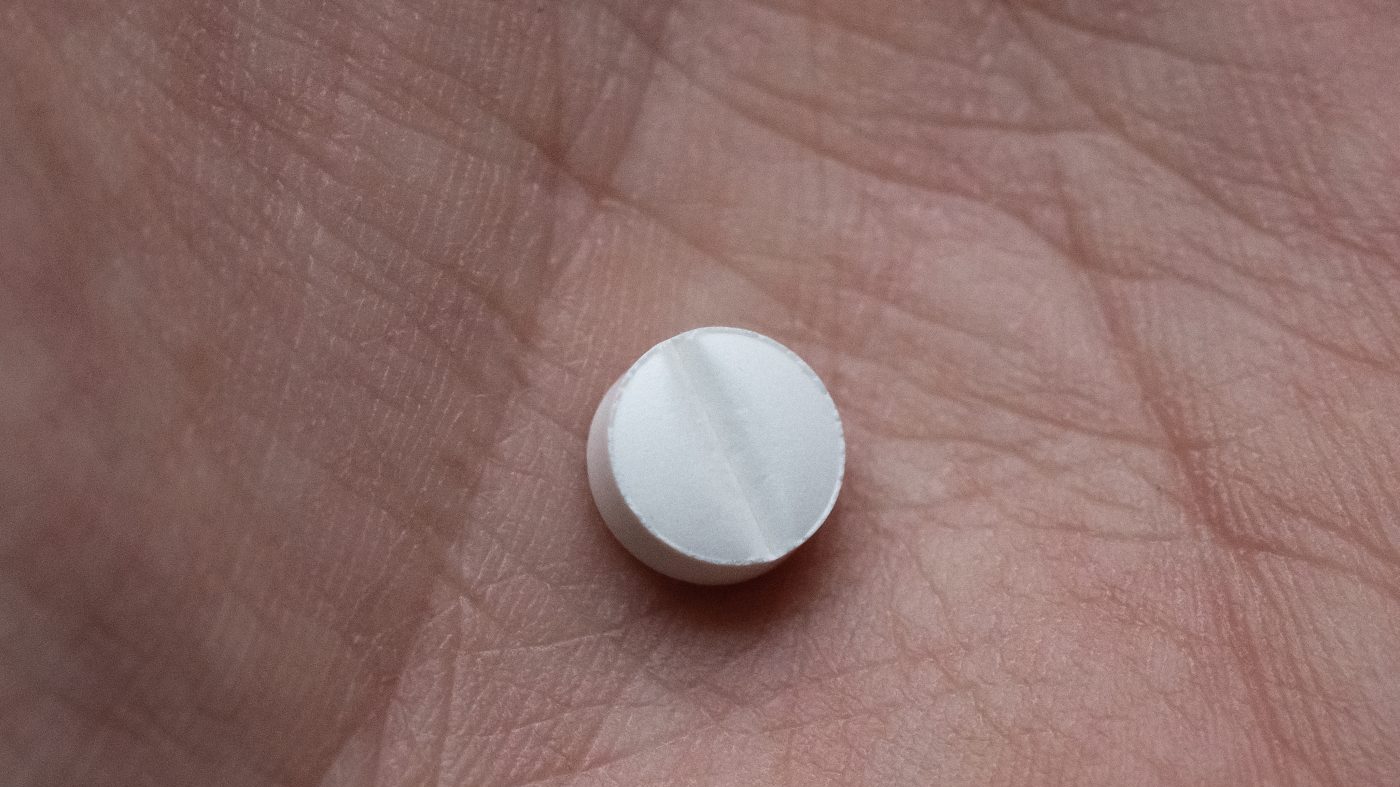
A clinical trial published by Northwestern University researchers has found that the oral GLP-1 drug aleniglipron can reduce body weight by up to 12.1% over 36 weeks, adding momentum to the development of more convenient obesity treatments.
The study, which enrolled 230 adults with overweight or obesity across 38 U.S. medical centers, tested three daily doses of the drug against a placebo. Participants in the 120-milligram group saw an average weight loss of 12.1%, while those on 90 and 45 milligrams lost 10.7% and 9.0%, respectively.

Unlike injectable GLP-1 medications such as semaglutide, aleniglipron is a small-molecule pill that can be taken with or without food. Dr. Robert Kushner, a co-author of the study and professor at Northwestern, emphasized this distinction. “Most medications we take — whether aspirin or blood pressure drugs — are small molecules. Because of that, they can potentially be combined with other medications,” he said.
The drug works by stimulating insulin secretion, suppressing appetite, and increasing satiety, according to the researchers. The findings come as the broader GLP-1 drug class continues to spark debate over fairness in professional sports and shows promise in restoring male fertility.
Gastrointestinal side effects were reported as mild to moderate and diminished over the course of the trial. “We didn’t find any concerns or new safety signals,” Kushner noted. “We found a dose that appears effective, and dose escalation will be slowed further in phase III trials to improve tolerability.”
Aleniglipron is not yet approved by the Food and Drug Administration, but earlier data from Structure Therapeutics showed about 16% weight loss over 39 weeks. The oral formulation could offer a significant advantage for patients who prefer pills over injections, potentially reshaping the obesity treatment landscape.
The trial’s results also underscore the growing interest in combination drug therapy to preserve muscle during weight loss, a key concern for long-term metabolic health. As aleniglipron moves toward phase III testing, researchers are optimistic about its tolerability and efficacy.
For now, the drug remains investigational, but the study provides a clear signal that oral GLP-1 therapies may soon compete with injectable rivals, offering patients more choices in managing obesity.