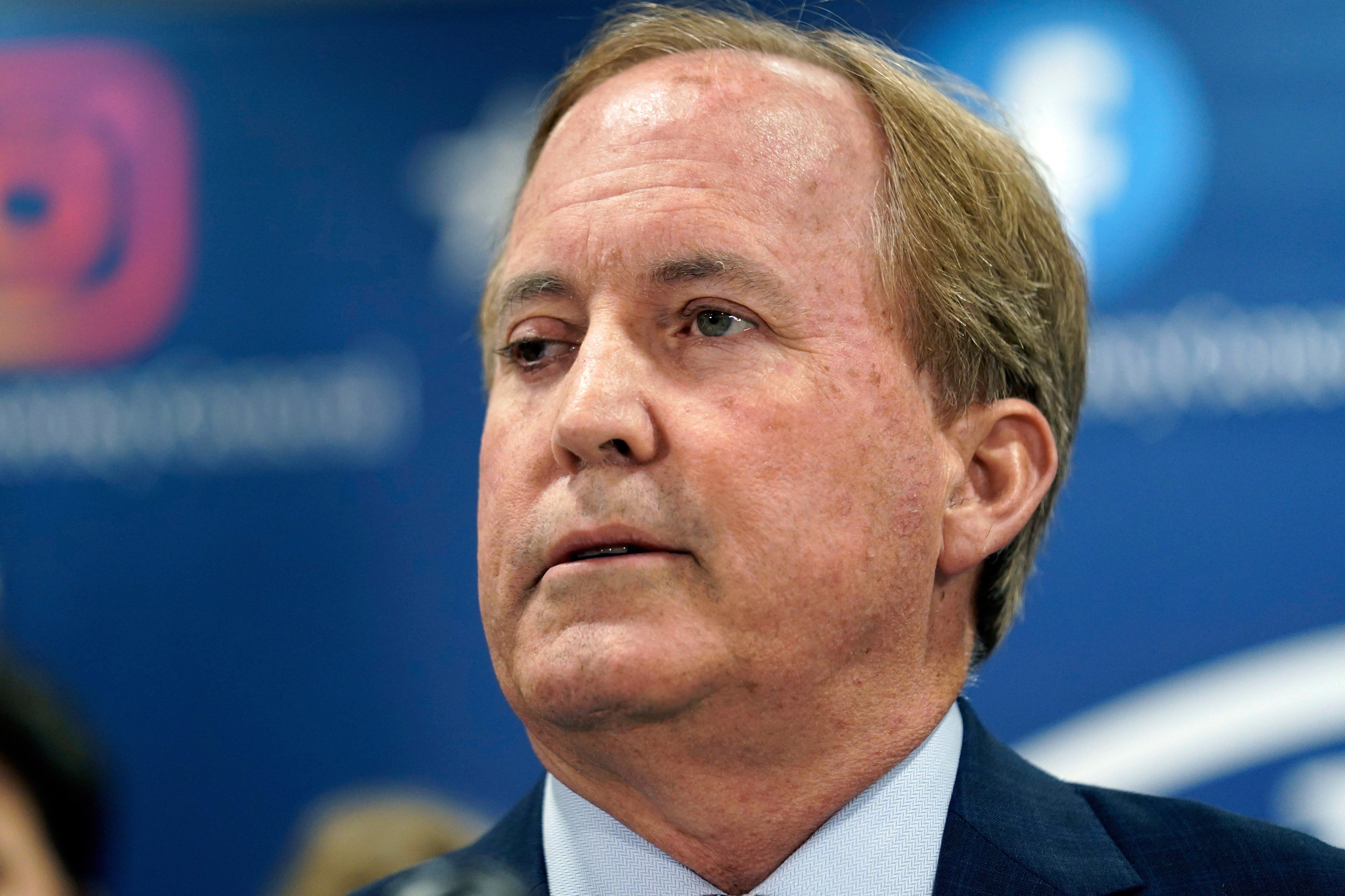
Texas Attorney General Ken Paxton (R) has filed a lawsuit against OpenAI and its chief executive, Sam Altman, accusing the company of misleading consumers about the safety and reliability of its ChatGPT product. The suit, filed Friday, alleges violations of Texas consumer protection statutes and a state law designed to safeguard minors online.
The complaint contends that OpenAI, despite public warnings from Altman and other AI leaders about the technology's potential dangers, proceeded to market ChatGPT as trustworthy and safe while knowing it could produce false or harmful outputs. Paxton's office argues that these actions constitute deceptive practices under Texas law.
"Despite these incredible dangers, Altman and OpenAI have not only barreled ahead in creating these risks but have done so by unlawfully deceiving Texans about the safety, accuracy, and reliability of their products," the lawsuit states. It further alleges that OpenAI built its empire "on the backs of Texans by deceiving them, while at the same time endangering public health."
Central to the attorney general's case is the claim that ChatGPT is prone to errors and "hallucinations," generating fabricated information that can be particularly dangerous when users rely on it for healthcare advice. Paxton's office highlights instances where individuals received incorrect medical guidance from the AI tool, underscoring the potential for real-world harm.
The lawsuit also invokes Texas's Securing Children Online Through Parental Empowerment Act, asserting that OpenAI failed to implement adequate safeguards for minors. Paxton argues that the company's inability to control its own technology—citing recent incidents where AI agents hacked into other systems or behaved unpredictably—demonstrates a systemic failure to protect vulnerable users.
This legal action follows a wave of similar suits from eight other states—Arkansas, Arizona, Idaho, Montana, Iowa, Kansas, West Virginia, and Nebraska—filed earlier this month, all alleging that OpenAI misled the public about the chatbot's safety. Florida also sued the company in June, claiming it promoted a product with known risks to consumers.
In a statement, Paxton said, "With the rapid advancement of AI technology, OpenAI has the responsibility to protect users and warn them of the many dangers of its platform. I will fight to protect Texans from the harms of AI and ensure that powerful technology companies are not above the law."
The lawsuit arrives as Paxton is locked in a competitive Senate race against Democrat James Talarico, a contest that has drawn national attention. Recent polls have shown the race tightening, with some Democratic candidates ahead in key states, and Paxton's stance on AI could become a differentiating issue.
Despite former President Trump's enthusiastic embrace of AI, Paxton and several other GOP contenders have sought to carve out a more cautious position, particularly regarding data centers. In August, Paxton unveiled a plan to impose restrictions on AI infrastructure if elected to the Senate, signaling a willingness to regulate the industry.
OpenAI has not yet responded to requests for comment. The outcome of this lawsuit could set a precedent for how states regulate AI companies and their obligations to consumers, especially as the technology becomes more integrated into daily life.