Ukraine's armed forces continued to grapple with degraded Starlink connectivity on Friday, even after President Trump asserted that SpaceX owner Elon Musk had reestablished full service. The military-grade Starshield network, a vital component in Ukraine's defense against Russian missile and drone strikes, remained impaired across most of the country, particularly affecting operations involving high-speed drones.
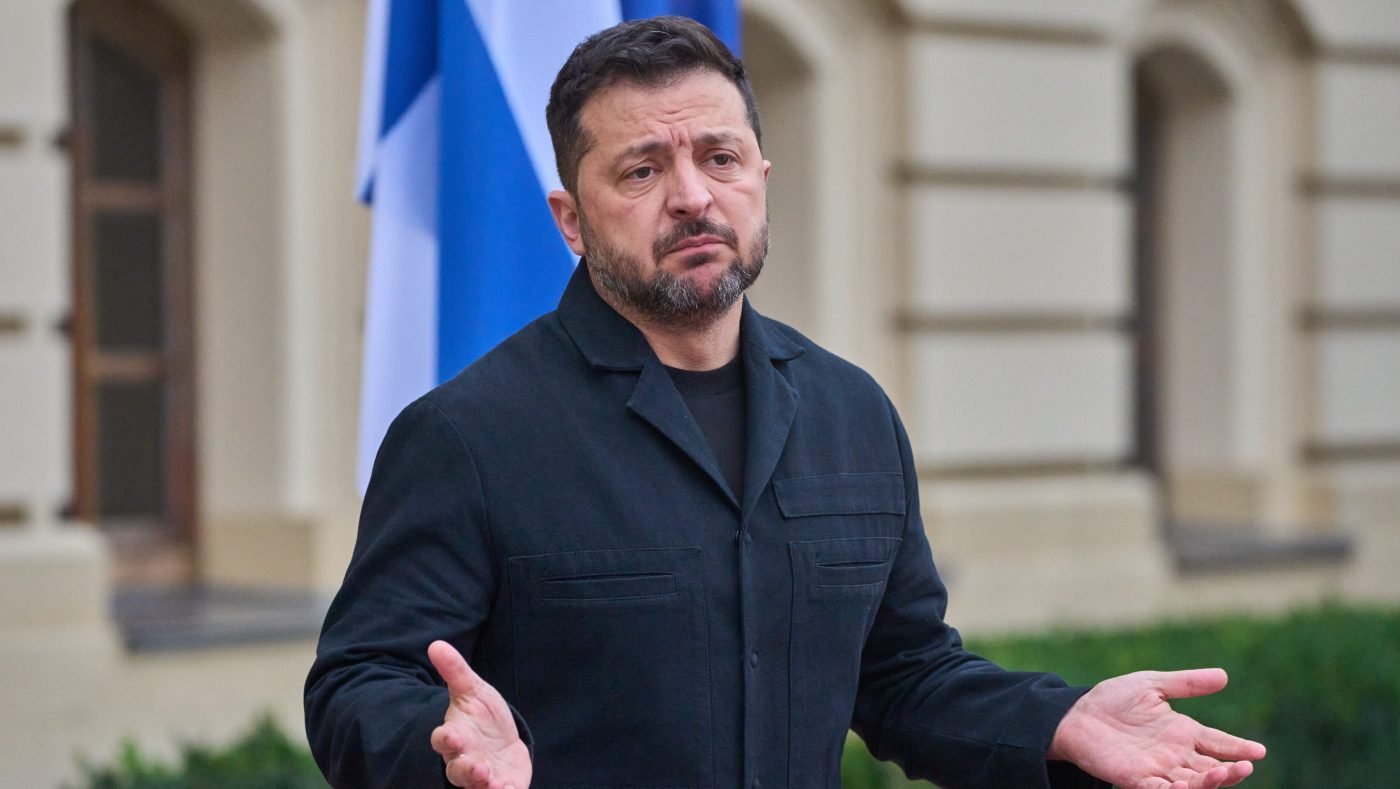
Ukrainian President Volodymyr Zelensky acknowledged the ongoing difficulties in public remarks, stating, "The speed limits on Starlink and Starshield are still there, and the speed has not been restored." He expressed hope that both SpaceX and the Trump administration would move to fully restore the service, adding, "We count on such decisions."
The Wall Street Journal reported that the restrictions, which have been in place since October 14, have crippled Ukraine's ability to deploy interceptor drones traveling faster than 100 miles per hour. The slowdown came shortly after Zelensky publicly criticized Trump for easing sanctions on Russia and for a diesel purchase deal with Russian President Vladimir Putin, a move Zelensky labeled as "weak."
Trump's Conflicting Statements
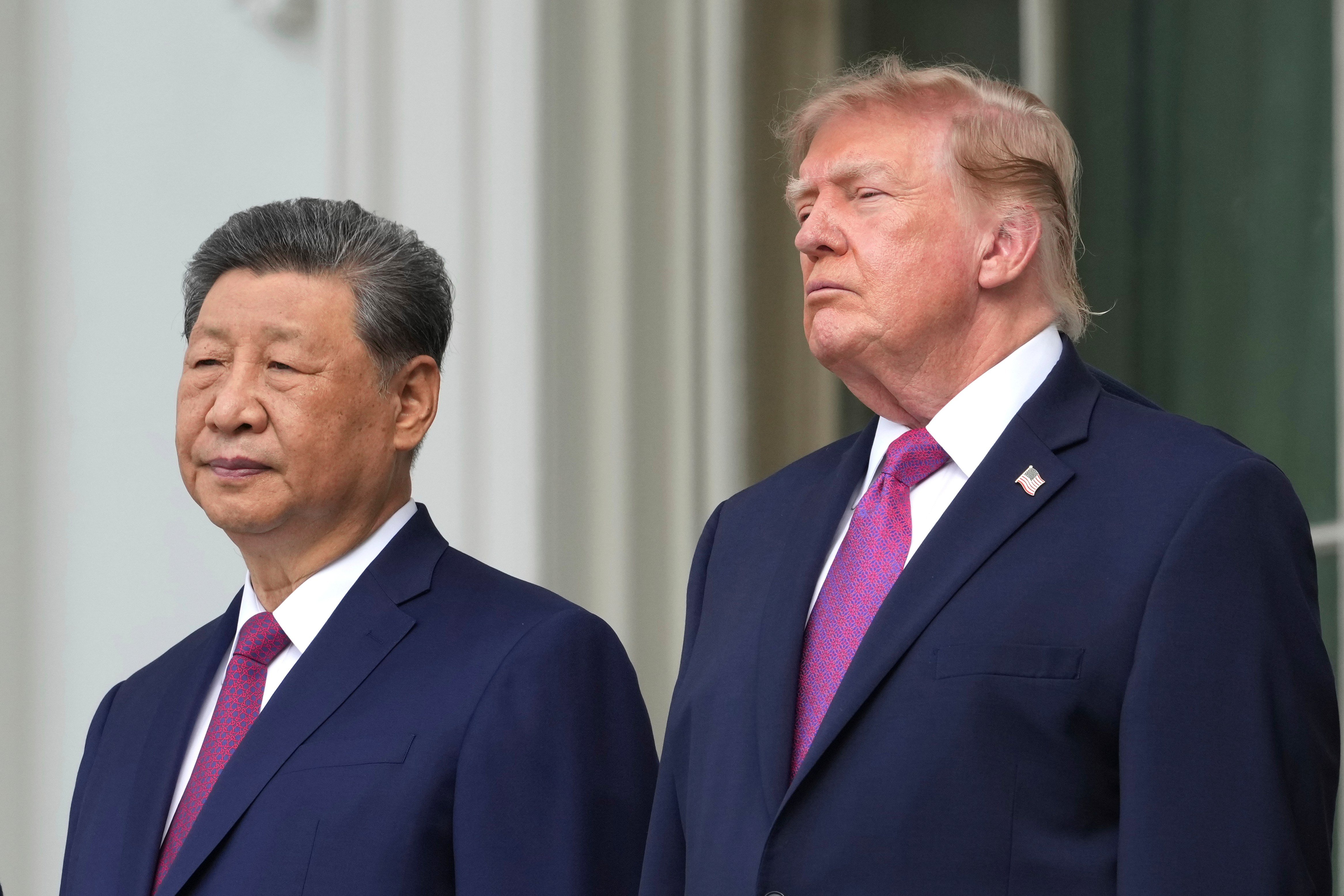
President Trump, speaking to reporters on the White House South Lawn on Friday, denied having spoken directly with Musk about the restrictions, despite earlier reports that he had called the tech mogul to request their removal. "I have not spoken to him," Trump said. "I might have to, but I have not. I have heard it was fixed. If it's not, I'll speak to him."
When asked who had ordered the slowdown, Trump deflected: "I have no idea, but I wouldn't tell you if I did." His remarks contrast with a previous report on his potential intervention in the matter.
Musk's Denial and Blame-Shifting
Musk has denied any personal responsibility for the restrictions, instead pointing to the U.S. military and ultimately the president. "Any limits on speed or usage are decided by the US military and ultimately POTUS," he posted on social media last week.
The ongoing disruption has significant tactical implications for Ukraine, as it hampers the use of high-speed drones critical for intercepting Russian attacks. The situation has also strained relations between Kyiv and Washington, coming amid broader tensions over Trump's approach to Putin. Analysts note that Trump's overtures toward Moscow have raised concerns about U.S. reliability as an ally.
Political Fallout
The Starlink saga has become a flashpoint in the political discourse surrounding U.S. support for Ukraine. While some conservative voices have urged continued aid, the administration's handling of the satellite service has drawn sharp criticism from both Ukrainian officials and domestic opponents.
Zelensky's government has repeatedly stressed the importance of Starlink for battlefield communications and drone operations. The continued limitations, despite official assurances, have fueled skepticism about the administration's commitment to Ukraine's defense.
As the situation develops, Ukrainian forces remain vulnerable to Russian aerial assaults, and the diplomatic friction shows no signs of abating. The coming days will likely determine whether Trump follows through on his promise to intervene personally, or whether the restrictions remain a point of contention between the two allies.