Six months after a hantavirus outbreak threatened to cross borders, and with Ebola still simmering, reports that a Russian lab worker may have died from pneumonic plague deliver another blunt reminder: pathogens don't respect borders, but the cooperation needed to contain them is fractured by geopolitical rivalry and secrecy.
Russian officials have played down the cause of death, and the immediate risk of international spread appears low—untreated pneumonic plague is often fatal, but early antibiotics and ring containment usually stop outbreaks. Yet the episode lays bare deeper vulnerabilities in global biosafety and biosecurity defenses.

The world now faces a combustible mix: zoonotic spillovers, risky gain-of-function research, weak lab safeguards, and rapid advances in artificial intelligence that could let bad actors engineer more dangerous pathogens or even create new ones. The suspected plague case in Russia echoes early responses to COVID-19 and SARS. Moscow failed to report the case to the World Health Organization as required under international health regulations, and only after media reports did the WHO request verification, receiving vague assurances. There's no transparency about the research at the Siberian lab or how the worker was infected.
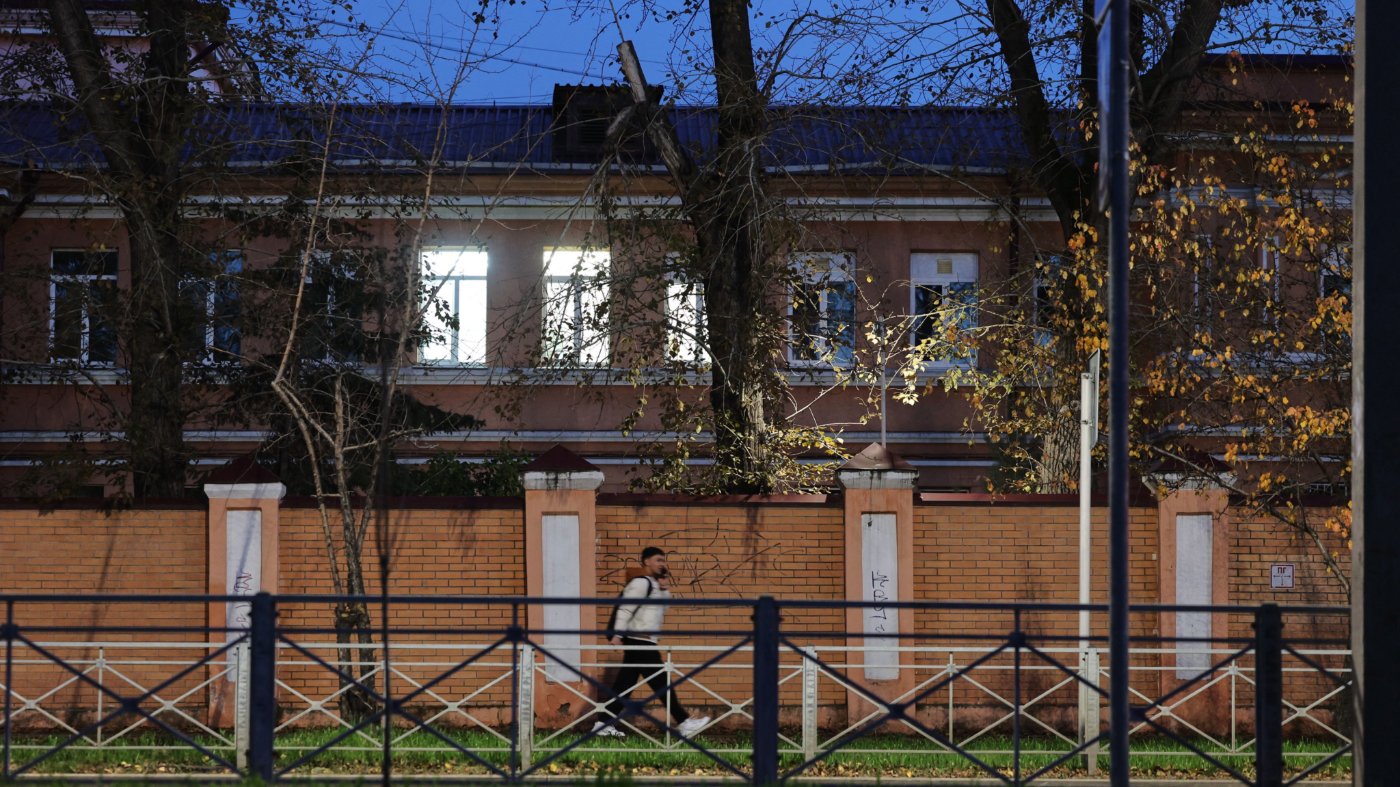
The Irkutsk facility appears focused on civilian surveillance and research on regional diseases like plague and anthrax. Legitimate work on such bacteria can help develop better antibiotics, but it can also be misused. Russia and the U.S. hold the only known official stocks of smallpox, a catastrophic agent in the wrong hands. U.S. intelligence assesses that Russia maintains an active offensive biological weapons program.
Without proper controls, hazardous research risks exposing workers and causing leaks that could spark major outbreaks. There are no international systems to regulate or inspect gain-of-function research, set mandatory biosafety standards, or monitor AI capabilities that could enhance or weaponize pathogens. The Biological Weapons Convention is weak, lacking verification and enforcement, unlike the Chemical Weapons Convention. An estimated 50 or more governments actively support dual-use research that could be adapted for prohibited purposes.
Even civilian labs often lack core security, and AI-driven protein manipulation is advancing faster than oversight. Anthropic recently disclosed five incidents of its AI being used in research linked to biological weapons development, but major AI developers often fail to detect misuse for months. The WHO issues guidance, but it's quickly becoming obsolete. The U.S. National Institutes of Health updated its draft biosafety policy, but it barely addresses AI threats.
Four urgent changes are needed. First, the Biological Weapons Convention should adopt a notification and verification regime similar to the Chemical Weapons Convention, requiring governments to declare past and present weapons programs, facilities, and activities, with risk-based inspections. Second, targeted international cooperation could expand existing verification precedents, like WHO inspections of smallpox labs, without amending the treaty. Third, significant funding is needed to bring labs worldwide up to WHO guidelines—funding that the U.S. once supported but has cut. Finally, the WHO Pandemic Agreement remains stalled, with countries deadlocked over governing pathogens with pandemic potential.
The suspected plague death in Siberia is a warning that the world's biosecurity architecture is dangerously out of date. As AI and synthetic biology advance, the window for action is closing. Without binding rules and real enforcement, the next outbreak—accidental or deliberate—could be far worse.