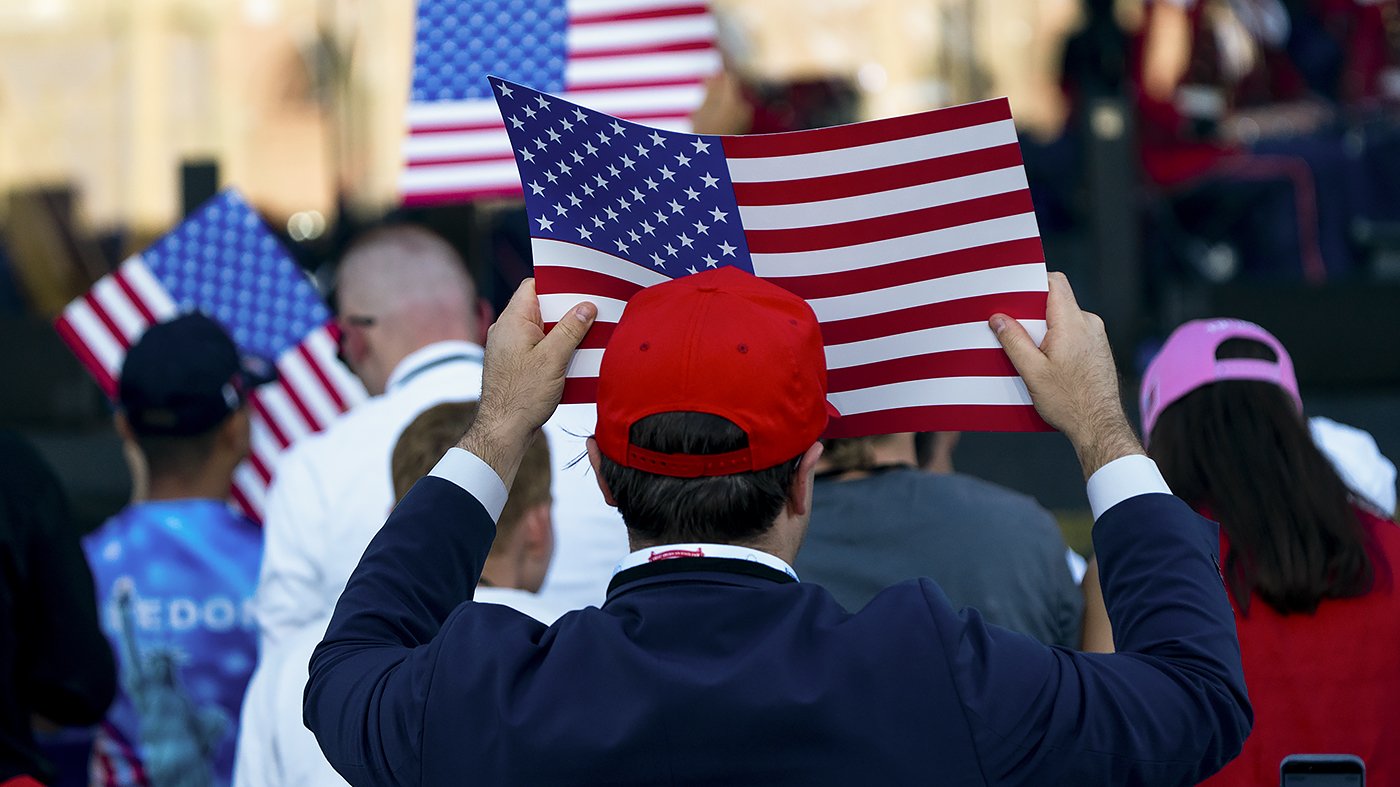
A new national survey reveals a dramatic partisan gap in American patriotism, with fewer than half of Democrats expressing pride in their citizenship. The NPR/PBS News/Marist poll, conducted June 8-11, found that only 45 percent of Democrats said they are generally “very proud” or “proud” to be American, while 55 percent described themselves as “not too proud” or “not proud at all.”
By contrast, 93 percent of Republicans reported feeling proud of their nationality, with a mere 7 percent indicating any lack of pride. Among independents, 61 percent expressed pride, while 39 percent did not. Overall, 65 percent of all respondents said they are proud to be American, and 35 percent said they are not.
The findings come just days before the United States commemorates the 250th anniversary of its founding, a milestone that typically reinforces national unity. This year, however, the poll suggests that partisan identity may be coloring how citizens view their country. As the nation prepares for celebrations, political figures like Mamdani are set to address the country with new citizens by their side, underscoring the ongoing debate over what it means to be American.
The survey also captures a broader mood of disenchantment with national leadership. President Trump’s approval rating stands at just 41 percent, with a disapproval rating of 56.6 percent, according to a Decision Desk HQ average. That erosion of confidence may be feeding the partisan divide on pride, especially as Democrats have been vocal in their criticism of the administration. In recent weeks, Democrats have slammed Trump over a $1.2 billion crypto windfall and demanded ethics reforms, further sharpening the political fault lines.
The poll, which surveyed 1,340 adults and has a margin of error of plus or minus 3 percentage points, did not ask respondents to explain their feelings. But analysts point to a range of possible factors, including policy disputes, cultural clashes, and a general loss of faith in institutions. The data suggests that for many Democrats, national pride is now contingent on political alignment, a trend that has been growing over the past decade.
Republicans, meanwhile, appear to maintain a more uniformly positive view of the country, even as they too express concerns about leadership and direction. The 93 percent figure is consistent with historical patterns for the GOP, which has long emphasized patriotic sentiment as a core value. Independents, as often is the case, occupy a middle ground, though their pride levels have also dipped in recent years.
The timing of the poll—just ahead of the July Fourth holiday and the 250th anniversary—amplifies its significance. While the nation prepares for fireworks and parades, the survey serves as a reminder that the concept of American identity is increasingly contested. As a record-breaking heat dome grips central and eastern states, the physical challenges of the holiday may be matched by the emotional and political ones.
For now, the data underscores a stark reality: what it means to be proud of America is no longer a shared sentiment across party lines. With the 250th anniversary upon us, the question of national unity remains unresolved.