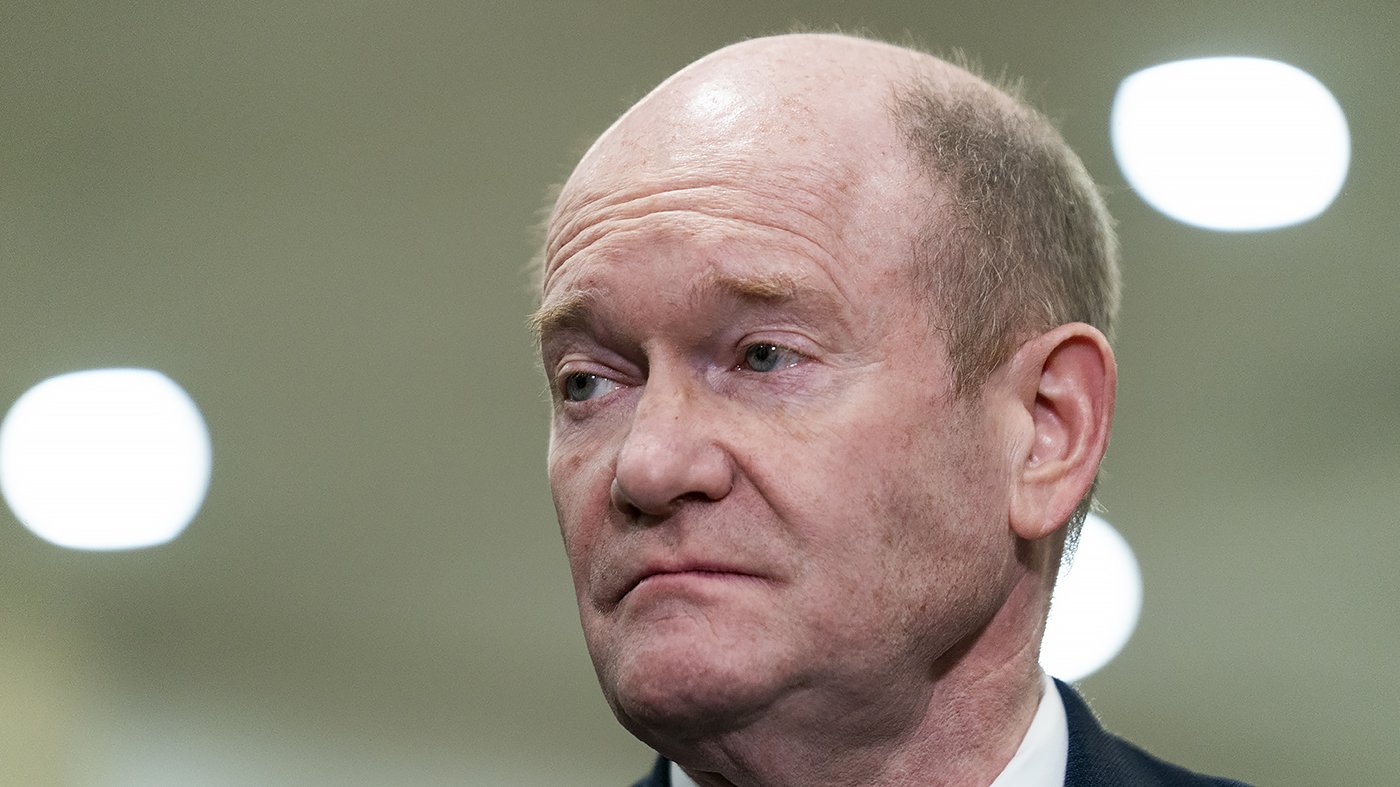
Sen. Chris Coons (D-Del.) was released from a Delaware hospital Sunday following a multi-vehicle collision that sent him to the emergency room with minor injuries. The incident occurred when a driver experienced a medical episode and lost control, plowing into several cars—including one carrying the senator.
Coons, who was a passenger at the time, was transported to Beebe Hospital in Lewes for treatment. In a statement posted on X, he confirmed he was “treated for minor injuries” and is now home, “expected to make a full and swift recovery.”
The senator expressed gratitude to first responders, calling their response “prompt and professional.” He did not disclose the nature of the driver’s medical condition or the exact location of the crash.
Fellow Delaware Democrat Rep. Sarah McBride responded on social media, saying she was “so glad to hear you are okay and that no one was seriously injured.” Bipartisan well-wishes also came from Sen. Dave McCormick (R-Pa.), who said he and his wife Dina are “keeping Chris in our prayers” and thanked emergency crews for caring for everyone involved.
The crash comes amid broader concerns about road safety and medical emergencies behind the wheel. While not related, the incident echoes other recent transportation mishaps, such as the Coast Guard MH-60 Jayhawk crash in Alaska that left four injured and the B-52 bomber crash at Edwards Air Force Base during takeoff.
Coons, a senior member of the Senate Foreign Relations and Judiciary Committees, has not indicated any changes to his schedule. His office said he will continue to work remotely while recovering.
Authorities are investigating the crash but have not released the name of the driver or any citations. The incident highlights the unpredictable nature of medical emergencies on the road—a risk that, as the crisis in emergency care shows, puts additional strain on first responders and hospitals nationwide.