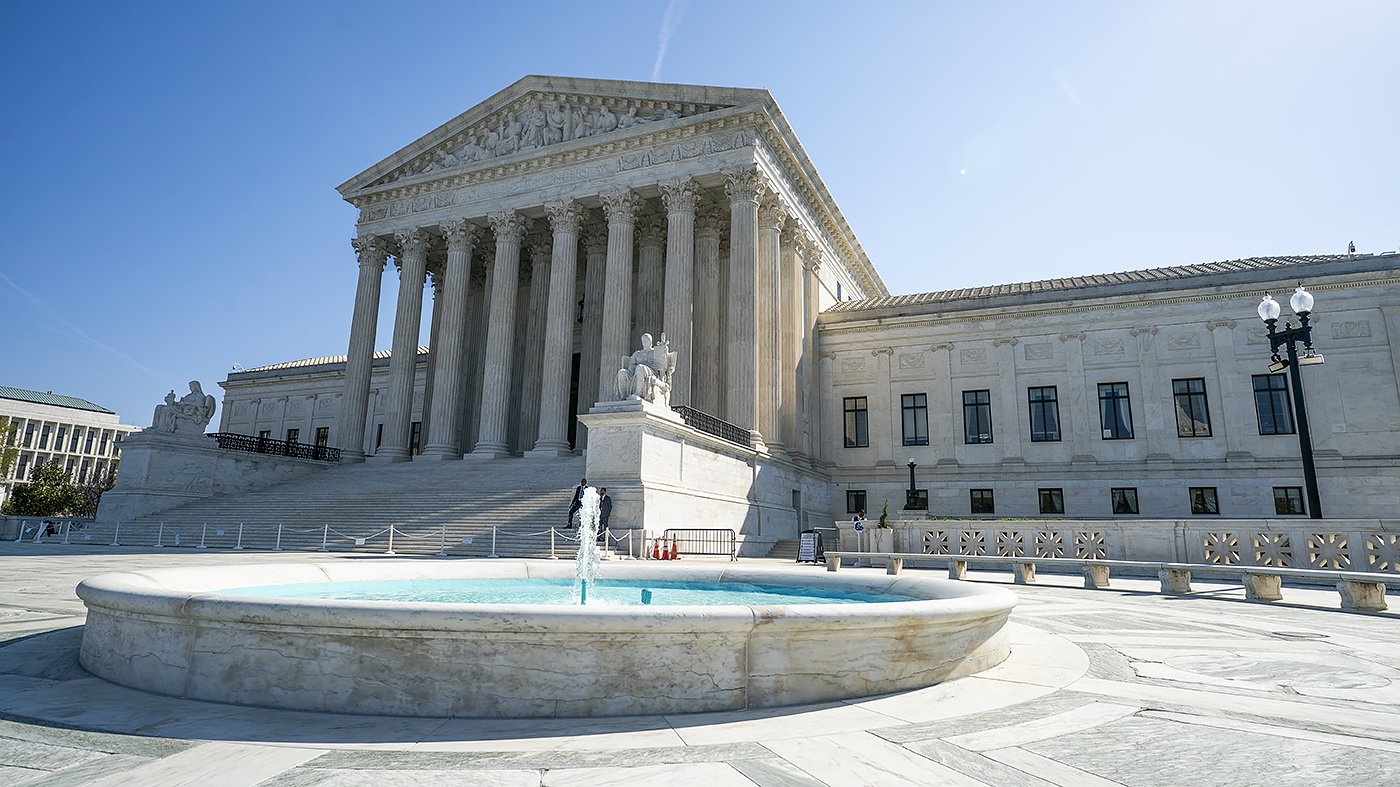
The Supreme Court has delivered a significant, though procedurally narrow, ruling that strikes at the heart of Colorado's ban on conversion therapy for minors, framing the issue primarily as one of free speech rather than medical regulation. In a decision that saw only Justice Ketanji Brown Jackson dissent, the Court found the lower court "erred" by upholding the 2019 law, declaring it constituted unconstitutional viewpoint discrimination. The ruling does not settle the ban's ultimate fate but mandates that lower courts apply stricter First Amendment scrutiny, effectively questioning whether states can regulate such counseling as a healthcare practice.
A Question of Viewpoint
Writing for the majority, Justice Neil Gorsuch asserted that "A law regulating the content of speech cannot avoid searching First Amendment review just because it mostly regulates non-expressive conduct." The core legal argument, as articulated by University of Houston law professor Seth Chandler, is that Colorado's law took sides: "Colorado said it's fine with us if you want to engage in gender-affirming speech, but we are going to prohibit you from engaging in 'rethinking your sexuality' speech." This, Chandler noted, enabled eight justices to find a First Amendment violation based on "viewpoint discrimination, which is generally ranked as the highest form of discrimination."

Parallels and Contradictions
The decision has immediately drawn scrutiny for perceived inconsistencies in how the Court and states approach speech regulations in other sensitive areas. Critics point to numerous state laws that compel abortion providers to recite specific, often medically disputed, information to patients. "For decades there have already been dozens of state laws that tell doctors what they can or cannot say about abortion," said Dr. Zoe Taylor, a Washington state physician and former fellow with Physicians for Reproductive Health. "Doctors who provide abortions have been forced to tell patients things that are untrue... How is that not a violation of free speech?"
Further contradictions are seen in recent state-level efforts to restrict drag performances, often on grounds of protecting minors. Casey Pick, senior director of law and policy at the Trevor Project, noted that while drag bans have been "summarily knocked down" in court under First Amendment scrutiny, the Court took a different approach here. "Unlike in the context of professional counseling, there is no long and established history of regulation of dance performance in this country," Pick said, arguing there is a "compelling government interest in protecting young people from abuse by licensed therapists."
The Medical Care Dilemma
The ruling pushes conversion therapy proponents into a legal bind. Organizations like the Alliance for Therapeutic Choice and Scientific Integrity, which filed an amicus brief supporting the plaintiff, present themselves as mental health associations. Yet, the Court's reasoning begins to sever the practice from established medical care frameworks. This creates tension, as critics argue practitioners cannot simultaneously claim the protected status of unregulated free speech and the legitimacy of a health service.
"Counseling is part of medical treatment, which has a long history of being regulated in this country," Pick emphasized. "People should be able to trust that the care they're getting from a licensed professional is evidence-based and safe." The plaintiff, Colorado-licensed counselor Kaley Chiles, operates precisely within this state-validated system, highlighting the regulatory paradox.
Strategic Implications and Future Battles
Legal experts suggest the ruling's narrow scope—focusing on the procedural application of First Amendment standards rather than the ban's constitutionality—is what secured such broad support from the bench. The case now returns to lower courts for reconsideration under this heightened scrutiny. Professor Chandler offered strategic advice to conversion therapy advocates: "If I were advising a conversion therapist, I would tell them to stay as far away from medicalized terms as possible. Because the closer they get to being like a doctor... the more the court might distinguish the pure speech case."
The decision arrives amid a term where the Court is weighing other contentious speech and regulatory issues, including cases related to birthright citizenship and state secrets in surveillance. It underscores the ongoing judicial struggle to define the boundaries between professional conduct, protected speech, and state power to protect citizens, particularly minors, from practices deemed harmful. The final outcome in Colorado will set a pivotal precedent for similar bans in over twenty other states.