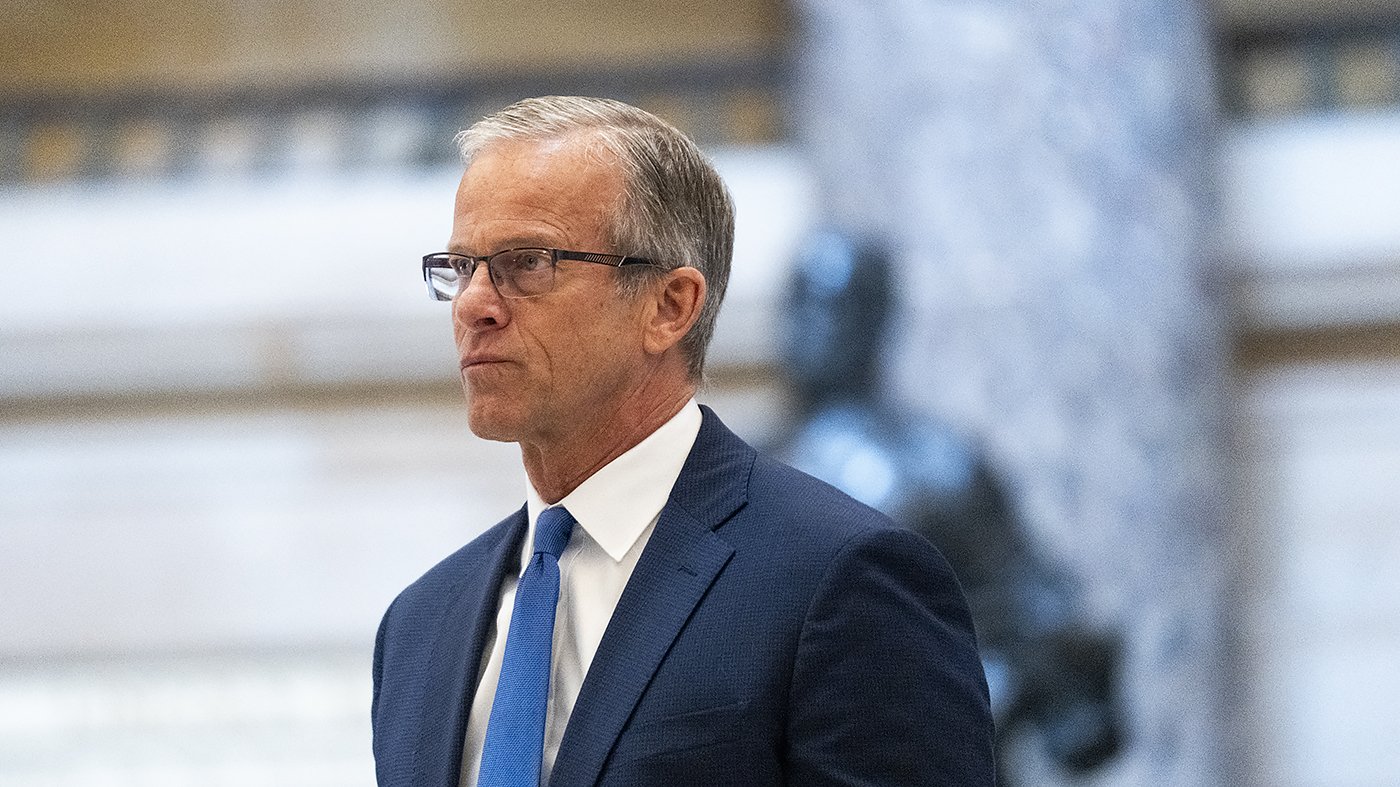
Senate Majority Leader John Thune (R-S.D.) is scrambling to secure a 45-day extension of the nation's warrantless surveillance powers under the Foreign Intelligence Surveillance Act (FISA), warning that the authorities could expire at midnight Thursday if Congress fails to act. The push comes after House Republicans attached a ban on a central bank digital currency (CBDC) to a three-year renewal of Section 702, a move Thune had previously declared would make the bill “dead on arrival” in the Senate.
Section 702 of FISA permits the government to intercept communications of foreign nationals abroad without a warrant, but privacy advocates have long demanded a warrant requirement for accessing data on Americans who interact with foreign targets. The current authorization expires at the end of the day Thursday, leaving intelligence agencies without a key tool for counterterrorism and foreign intelligence gathering.

Thune told reporters Thursday morning that Senate Republicans have agreed to a short-term extension but are waiting for Democratic buy-in. “The Democrats are debating that right now. We had suggested 45 days but we’ll see what the traffic will bear,” he said. The GOP leader emphasized the need for at least six weeks to avoid clogging the Senate floor with surveillance debates while other legislative priorities loom.
“If you look at the calendar and the schedule, we’re going to need that amount of time, probably, with the other stuff we have to do — floor time is at a premium around here,” Thune added. “To actually get an agreement and then get something moved across the floor here in the House and Senate in my view is going to take a certain amount of time.”
Sen. Ron Wyden (D-Ore.), a leading Democratic critic of warrantless surveillance, countered with a proposal for a three-week extension instead. Wyden also demanded that a classified court ruling on the government’s “troubling” use of Section 702 be made public before he agrees to any short-term renewal. The Oregon senator took to the floor Thursday morning to press his case, arguing that transparency is essential for oversight.
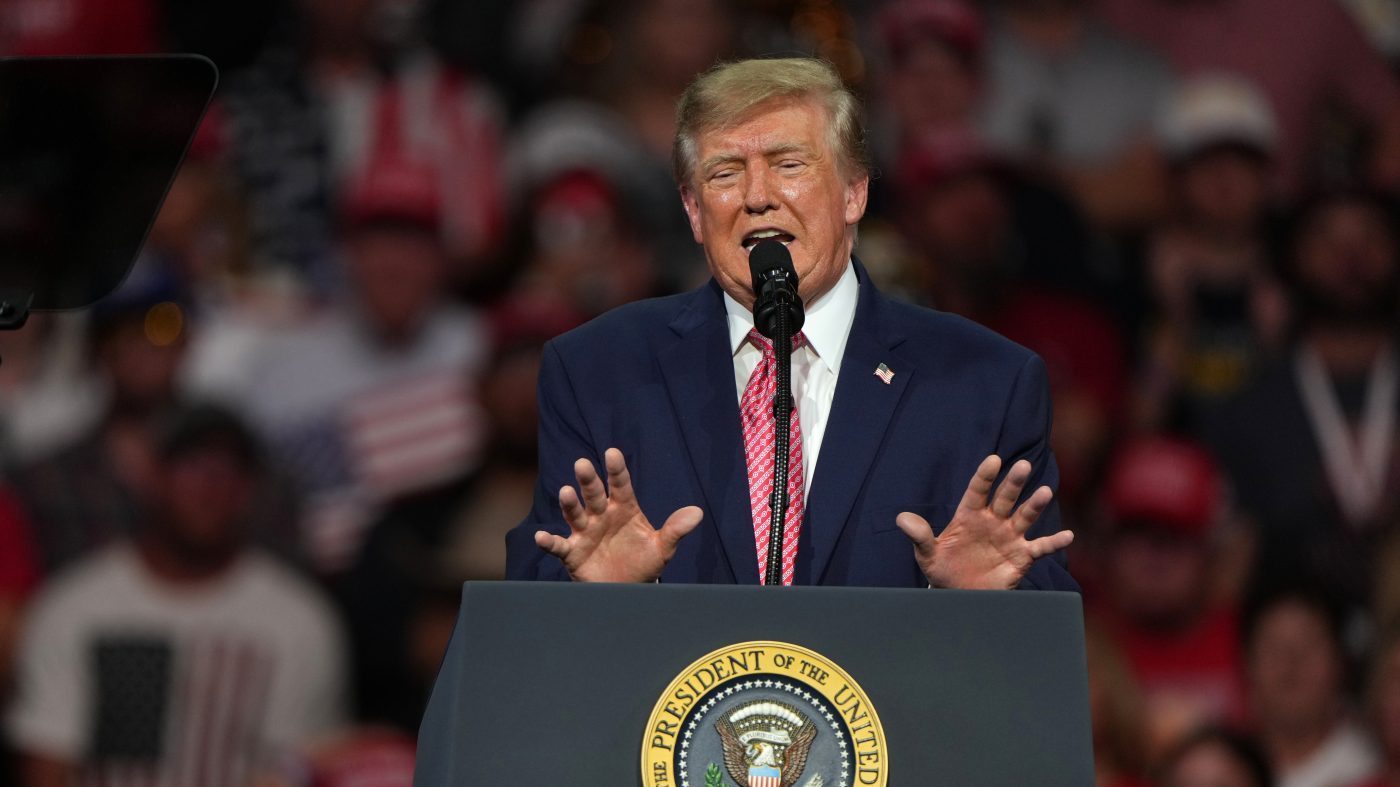
The House GOP’s decision to attach the CBDC ban, which would prohibit the Federal Reserve from creating a digital dollar, has injected a partisan dispute into the FISA debate. Thune had warned House colleagues earlier this week that the Senate would not accept such language, but House Republicans pressed ahead, putting the surveillance powers on the brink of expiration.
The standoff comes amid broader tensions within the GOP over surveillance policy. House Republicans have faced internal rebellion over warrant requirements, with privacy hawks demanding reforms that leadership has resisted. The current impasse underscores the fragile coalition needed to keep Section 702 alive.
Even if the Senate passes a short-term extension, the House must still approve it. The Senate is scheduled to leave town Thursday for a weeklong recess, adding urgency to the negotiations. With time running out, Thune is working to broker a deal that can clear both chambers before the deadline.