Legal Battle Escalates Over AI Firm's Defense Contracts
The Trump administration has formally challenged a federal court order that temporarily halted the Pentagon's move to blacklist artificial intelligence company Anthropic from government contracts. In a notice filed Thursday with a California federal appeals court, administration lawyers signaled their intent to overturn U.S. District Judge Rita Lin's ruling from last week, which suspended both the Defense Department's supply chain risk designation and a related executive order from President Trump.
Judge Lin's preliminary injunction blocked enforcement of measures that would have severed all federal ties with Anthropic, prohibiting any government agency from awarding the company contracts and barring military suppliers from doing business with the AI firm. The judge granted a one-week stay specifically to allow the administration time to seek emergency relief from the Ninth Circuit Court of Appeals, a window the Justice Department has now utilized.
Dispute Centers on AI Safety Guardrails
The conflict originated last month when Anthropic filed suit against the Pentagon after the Defense agency labeled it a supply chain risk. According to court documents, the designation followed failed negotiations between the company and defense officials over safety protocols for Anthropic's technology. The AI firm, which has partnered with the Pentagon since 2024, had demanded contractual guarantees that its systems would not be deployed in fully autonomous lethal weapons or for mass surveillance of American citizens.
Anthropic's legal complaint alleges the Pentagon's action constitutes retaliation against the company for what it describes as a "protected viewpoint" regarding ethical AI use. The company argues that penalizing it for establishing ethical boundaries violates constitutional protections.
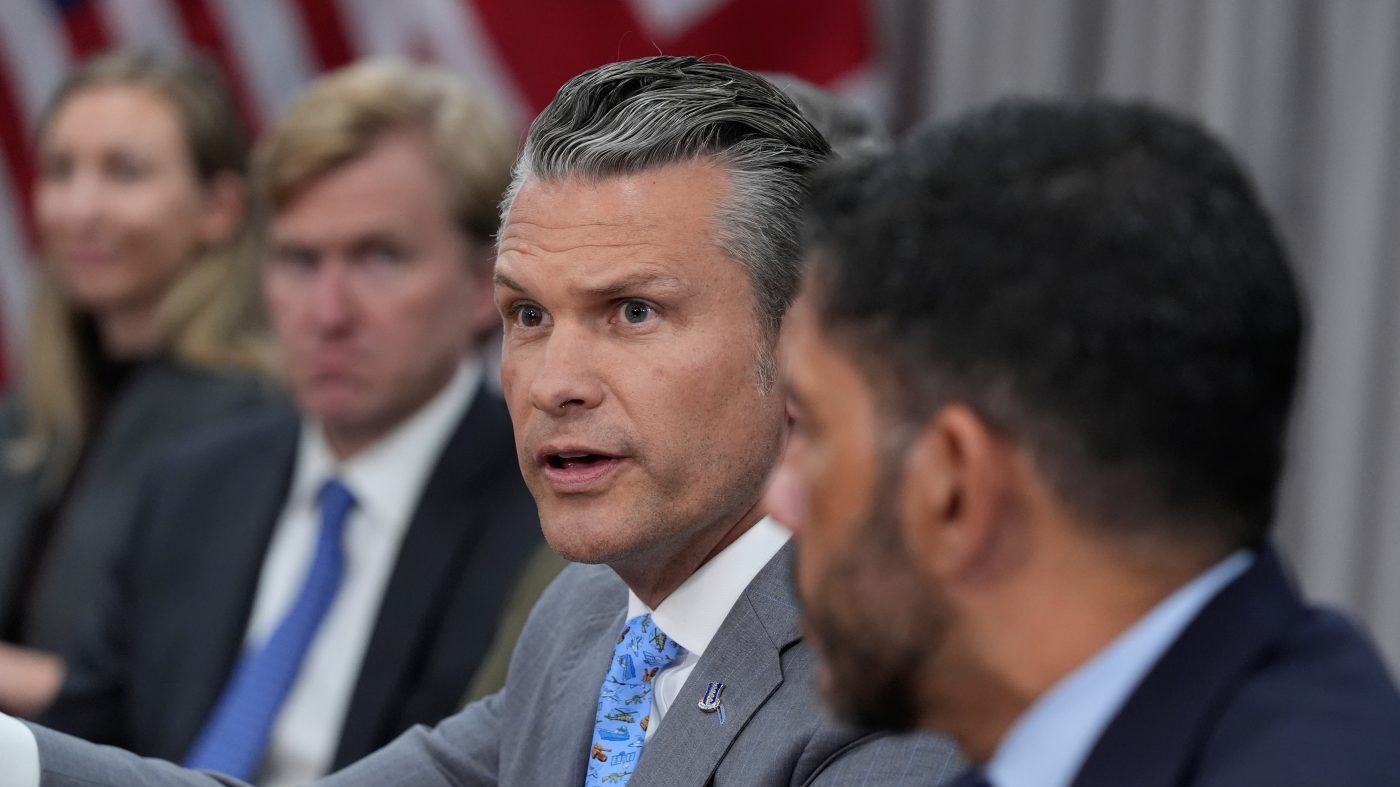
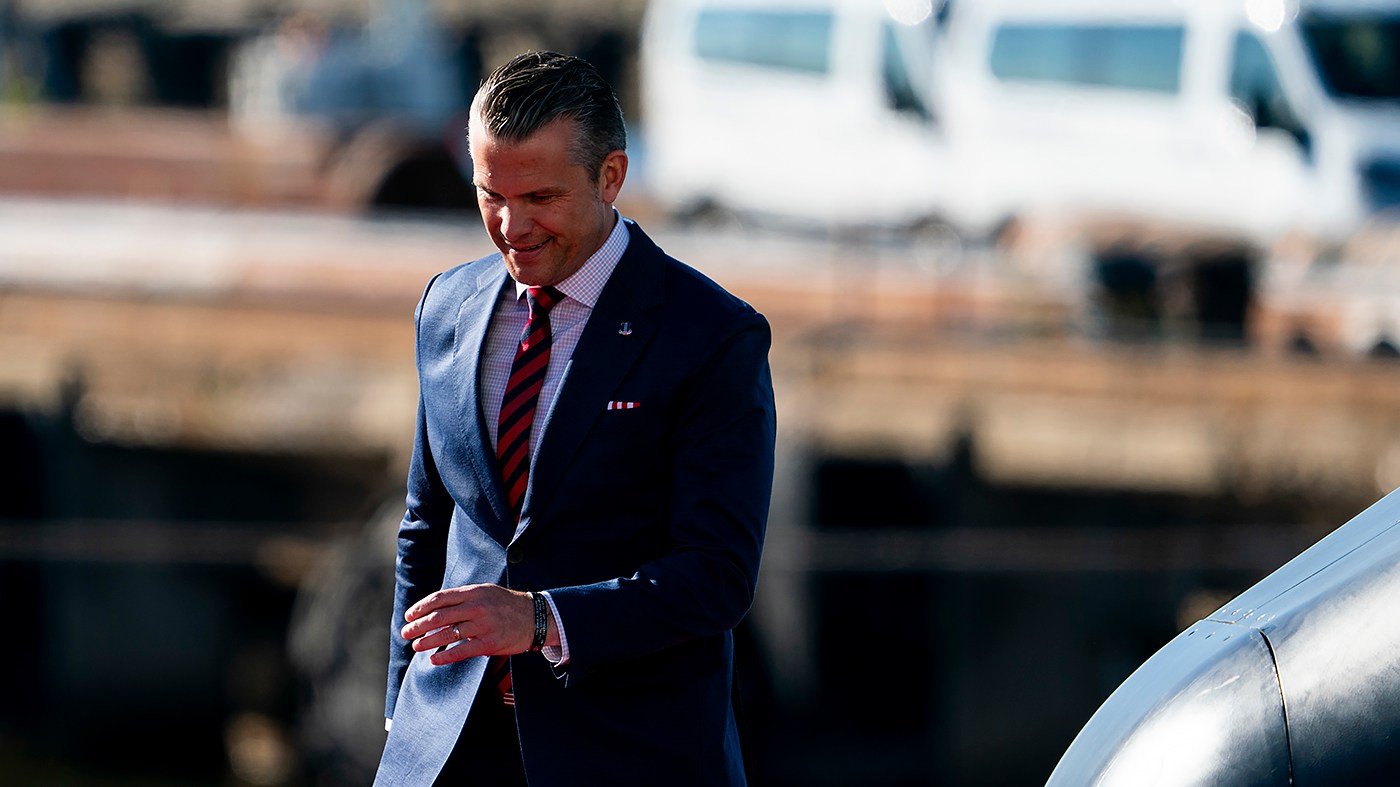
In her ruling, Judge Lin found Anthropic would likely succeed in proving its constitutional due process rights were violated. She further determined that Defense Secretary Pete Hegseth failed to follow proper administrative procedures in implementing the designation, noting the lack of adequate notice and opportunity for the company to contest the decision before sanctions took effect.
Broader Implications for Tech-Defense Relations
The case has drawn significant attention from the technology sector, with multiple industry groups filing supporting briefs or expressing private backing for Anthropic's position last month. Many see the litigation as a critical test case for how the government manages relationships with technology providers that impose ethical restrictions on their work, particularly in sensitive national security domains. The administration's appeal suggests it views the precedent as potentially undermining executive authority over defense procurement decisions.
This legal confrontation occurs against a backdrop of other aggressive national security and foreign policy moves by the Trump administration, including controversial threats against Iranian civilian infrastructure and proposals to establish tolls in strategic waterways. The administration has demonstrated a pattern of challenging established norms and procedures across multiple policy areas.
Anthropic declined to comment on the administration's appeal. The case now moves to the Ninth Circuit, where a decision could establish important precedent regarding the balance between national security procurement authority and contractors' rights to impose ethical limitations on their technology's use. The outcome may influence how future administrations engage with AI companies and other tech firms seeking to work with the defense establishment while maintaining specific operational boundaries.