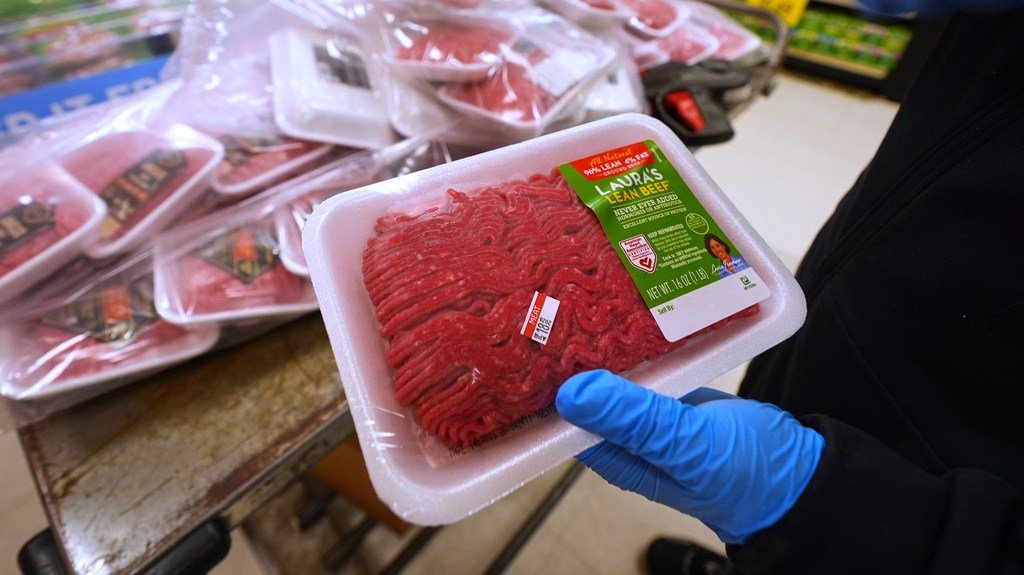
Former President Donald Trump's latest economic intervention targets the grocery aisle: a 90-day suspension of higher tariffs on 300,000 tons of imported ground beef, a move he claims will slash prices by 25 percent. But the arithmetic and economic evidence suggest the promise is more political theater than feasible policy.
Americans consume roughly 7 million tons of ground beef annually—about 1.8 million tons in any 90-day window. If all 300,000 tons were truly new imports (unlikely, since some would arrive anyway), the additional supply would represent a 16.7 percent boost. Standard demand elasticity estimates from economic literature put the resulting price drop at no more than 8 percent—and likely less once you account for the fact that a chunk of that tonnage would have been imported regardless.

So where does the 25 percent figure come from? Trump has offered no supporting analysis, leaving economists and ranchers to suspect he simply invented a number that sounded appealing. The temporary nature of the relief—ending conveniently after the midterms—adds to the skepticism. Domestic producers, anticipating higher prices once tariffs return, may hold back product and freeze inventory, blunting any consumer benefit.
This isn't the first time Trump has mischaracterized how tariffs work. He has repeatedly claimed foreign producers bear the cost of U.S. import duties. The economic consensus is clear: American buyers foot nearly the entire bill. His new proposal implicitly concedes that tariffs raise domestic prices, contradicting his earlier talking points.
The political timing is unmistakable. Trump's approval ratings are underwater by roughly 30 points, and his tariff policies are similarly unpopular. With gasoline prices stubbornly high—and tariffs not the cause—he needs a visible win on kitchen-table costs. The ground beef gambit is designed to deliver that, even if the numbers don't add up.
Data from the U.S. Farm Bureau and other sources show beef production costs have risen 4.8 percent over the past year, partly due to a 7.3 percent increase in cattle feed prices. Fertilizer costs have jumped about 50 percent globally since the start of the year, a direct consequence of the Iran conflict and the partial closure of the Strait of Hormuz—a price the agricultural sector acknowledges may be necessary to confront Tehran, but a price nonetheless.
Trump's own record on beef prices is mixed. During his first 18 months in office, ground beef prices rose 24 percent, compared with 23 percent under former President Joe Biden in the same period. His claim that Biden saw the fastest beef price surge is false. And his complaint about shrinking herd sizes ignores that drought and other natural factors are the primary drivers—policies that make imports cheaper could discourage domestic expansion.
The broader pattern is familiar: Trump blames others for adverse outcomes, whether it's the prior administration for beef costs, energy producers for gasoline prices, or workers for the Reflecting Pool's problems. This tariff pause is another attempt to shift blame, but it's likely to fail—and when it does, expect the private sector to take the fall again.
For ranchers and economists, the move raises longer-term questions. If tariff relief becomes a recurring election-season tool, it could create uncertainty for domestic beef producers, who may hesitate to invest in herd expansion. The GOP rancher backlash is already building, as the proposal pits Trump's base against his broader political ambitions. And with midterms shaping up as a referendum on his agenda, the pressure to show results is intense.
Ultimately, this is a political move dressed in economic clothing. The 25 percent promise is almost certainly unattainable, and the 90-day window is too short to alter market fundamentals. Trump may hope voters won't notice when prices barely move, but as the trade and sanctions agenda continues to evolve, the disconnect between rhetoric and reality is becoming harder to ignore.