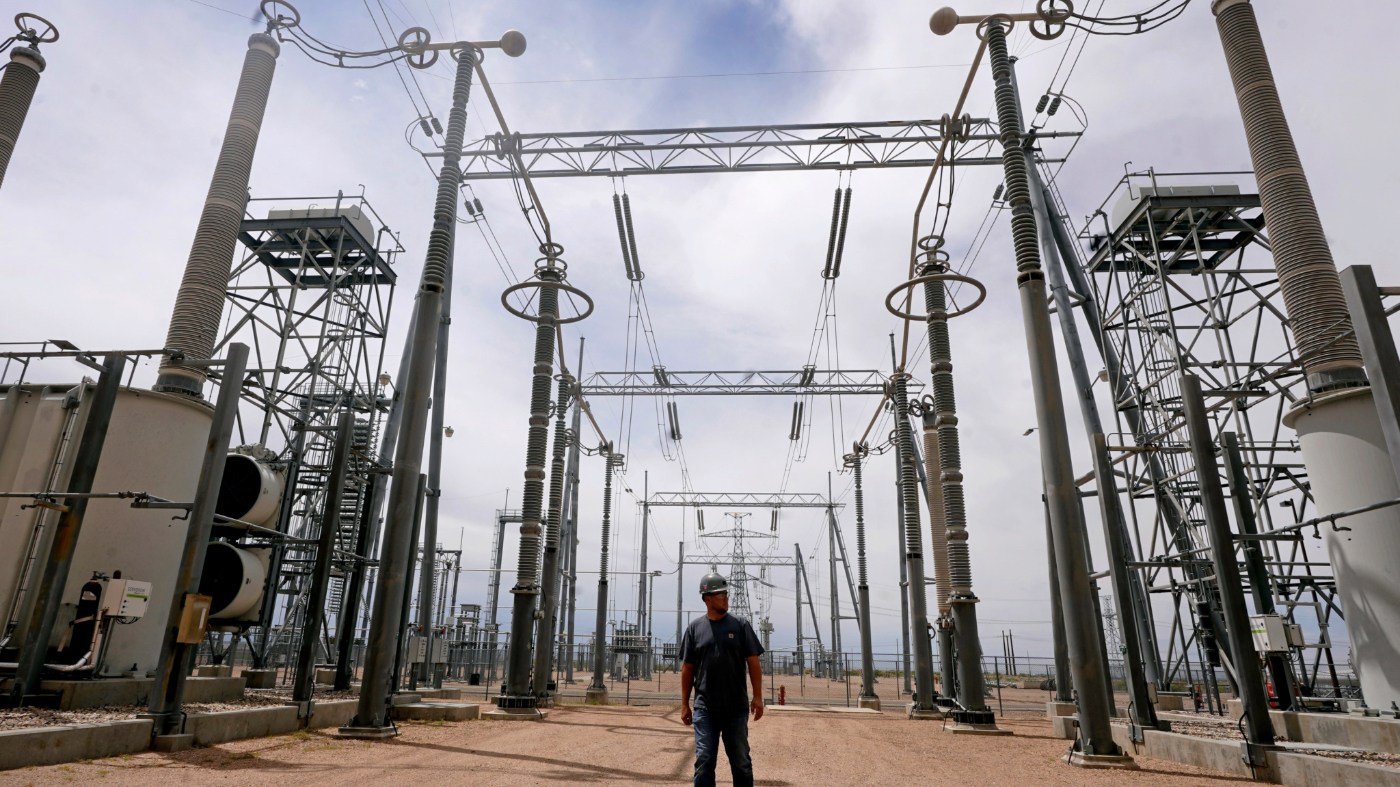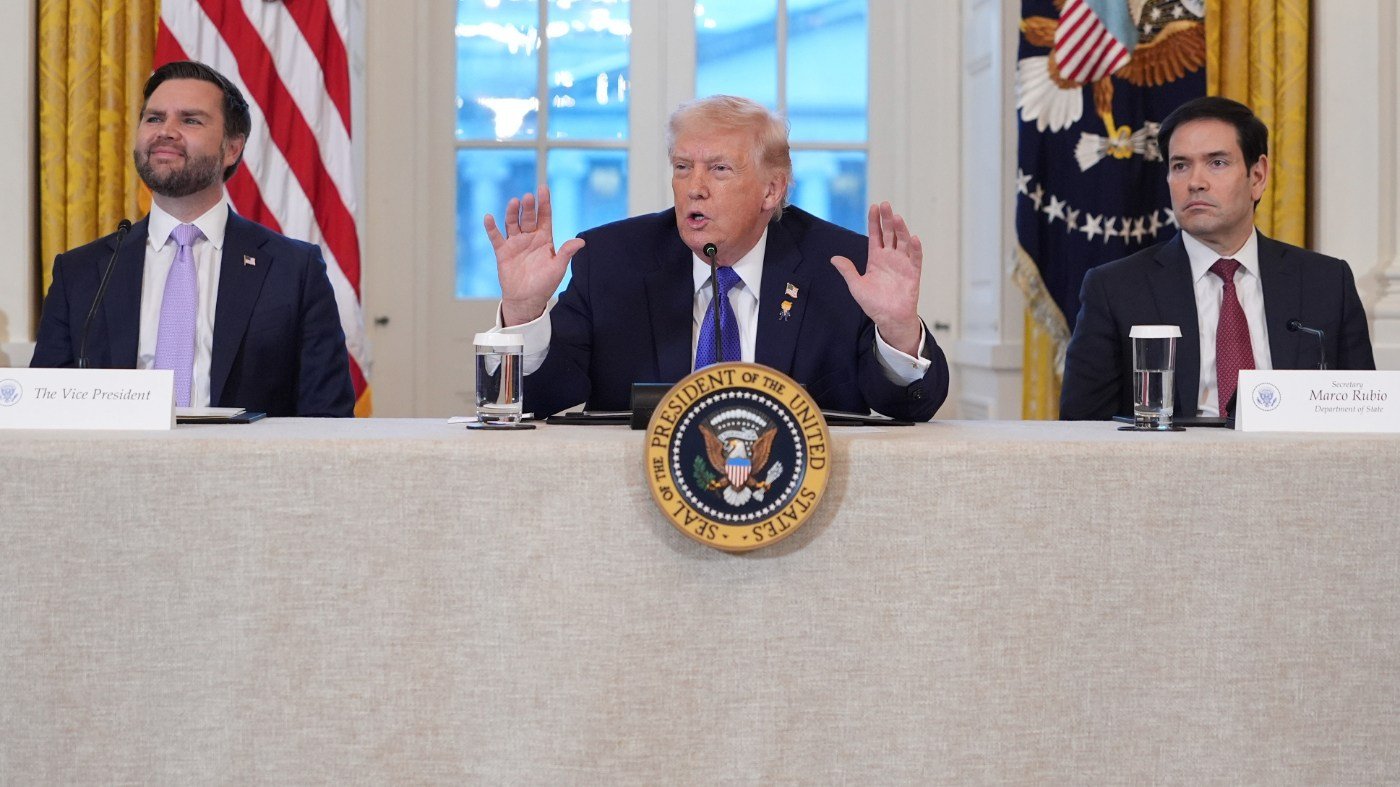
President Trump this weekend unveiled a surprise agreement that would give the United States majority control of more than 65 million barrels of Venezuelan oil, a move that immediately ignited political controversy at home.
The deal, announced without prior public notice, is being framed by the administration as a strategic energy win. But Senate Democrats were quick to condemn it, arguing that the arrangement prioritizes private corporate gains over the well-being of American service members. They pointed to the risks of deepening U.S. involvement in Venezuela's volatile political landscape.
Senator Bernie Moreno, Republican of Ohio, pushed back against the criticism, asserting that the agreement "benefits both countries for generations." He emphasized the long-term economic and geopolitical advantages, suggesting the deal would stabilize energy markets and reduce foreign dependence.
Meanwhile, the political theater continued on another front. Following Trump's executive order to rename Lake Ontario as "Lake America," Ontario Premier Doug Ford—who has frequently clashed with the president—is scheduled to appear on ABC's "This Week" on Sunday morning. The renaming, which has sparked pushback from the Seneca Nation, comes amid an escalating trade war between the United States and Canada that has disrupted cross-border commerce.
Ford, a conservative leader known for his blunt style, is expected to address the renaming and the broader trade tensions. His appearance on a major Sunday political talk show signals the significance of the dispute, which has drawn attention from both sides of the border.
The president has no public events scheduled for Sunday, leaving the spotlight to the Democratic criticism and Ford's media appearance. The Democratic backlash over the Venezuela oil deal is likely to intensify in the coming days, with lawmakers calling for more transparency and a full briefing on the terms.
Supporters of the deal, however, argue that it represents a bold move to secure energy resources and counter adversarial influences in Latin America. They contend that the agreement could provide a new revenue stream for the struggling Venezuelan people while bolstering U.S. energy independence.
Critics remain skeptical, noting that the deal's structure—granting majority control to a private U.S. entity—raises questions about accountability and profit motives. "This is about putting private profits over the safety of our soldiers," one Democratic senator said, echoing the party's unified stance.
As the story develops, the intersection of energy policy, foreign affairs, and domestic politics will remain under close scrutiny. The surprise nature of the Venezuela oil announcement has already set off a flurry of analysis, with experts debating its implications for U.S. foreign policy and the midterm elections.
Ford's Sunday appearance is expected to be watched closely, as he has become a prominent voice in the Canadian resistance to Trump's trade measures. His remarks could further escalate the war of words between the two leaders, which has already included tariff threats and retaliatory measures.
For now, the administration is standing by the deal, with officials insisting that it is a win-win for both nations. But with midterm contests approaching, the political fallout is far from over, and both parties are likely to use the issue to rally their bases.