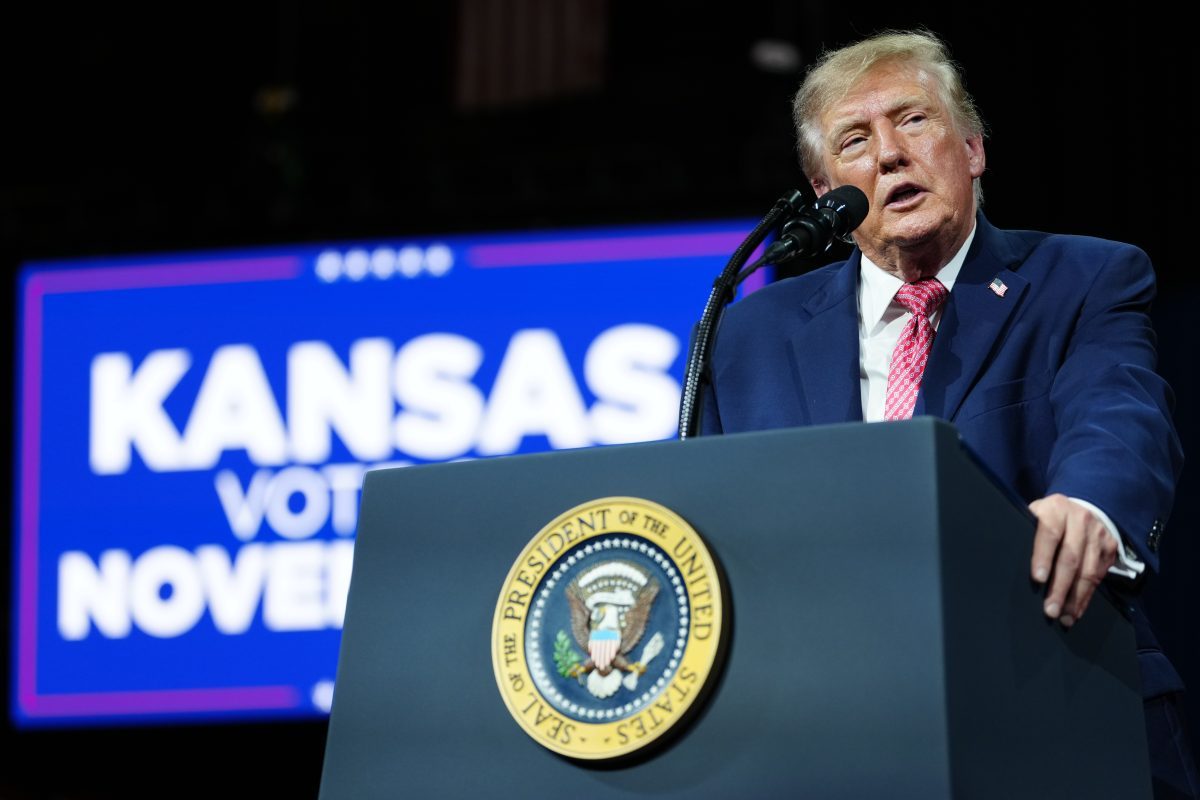
President Donald Trump used a campaign-style rally in Kansas on Monday to roll out a new $8 billion initiative aimed at providing one-time payments to farmers, ostensibly to help them manage elevated diesel prices during the harvest season. The program, dubbed the Harvest Fuel Relief Program, is part of the administration's broader push to shore up support in rural America as the midterm elections approach.
Speaking to a crowd in Wichita, Trump said the payments are designed to "offset diesel costs during the harvest season," a period when fuel expenses typically spike. However, agriculture policy analysts and farm groups note that the program's rollout is unlikely to have an immediate impact, given the logistical hurdles of distributing funds to an estimated 6.16 million farmers across the country.

The announcement comes amid a particularly volatile energy market, with diesel prices remaining stubbornly high. According to the Energy Information Administration, the national average diesel price has hovered well above historical norms, squeezing profit margins for farmers who rely heavily on diesel-powered equipment for planting and harvesting.
While the program's details are still being finalized, the U.S. Department of Agriculture is expected to administer the payments. Farmers would need to apply, and the one-time payment amount would be calculated based on acreage and fuel usage, though exact formulas have not been released. Critics have already questioned whether the program will reach farmers in time for the current harvest, with some suggesting that the funds might not be disbursed until after the season ends.
The president's announcement also carries political weight. With the midterms just weeks away, the administration is eager to shore up its rural base, which has shown signs of wavering. Recent polls, including one showing 70% of Americans doubt Trump will accept midterm defeats, indicate that the political climate is challenging for the GOP. The farm aid package is part of a broader effort to energize key constituencies.
But the program's effectiveness may be undermined by broader policy concerns. A recent analysis found that the administration's fuel efficiency rollback will cost drivers billions, which could offset some of the savings farmers receive. Additionally, the timing of the announcement, just days after reports of a chaotic week in the White House, has raised eyebrows among political observers.
Farm groups have offered a cautious welcome, noting that any relief is appreciated, but they stress that long-term solutions are needed. "This is a stopgap measure, not a fix," said one agricultural economist. "Farmers are facing rising input costs across the board, from fertilizer to equipment, and a one-time payment won't change the structural challenges."
The announcement also comes as the administration faces scrutiny over its handling of international affairs, particularly regarding Ukraine. Some lawmakers have warned that Putin is manipulating Trump as Ukraine support wavers, which could further complicate the administration's domestic agenda. However, White House officials insist the farm aid program is a standalone measure focused solely on agricultural relief.
As the program moves forward, the USDA is expected to release application guidelines in the coming weeks. Farmers are advised to monitor official channels for updates. Whether the payments will arrive in time to ease this season's financial strain remains to be seen, but the political messaging is clear: the administration is positioning itself as a champion of the American farmer.