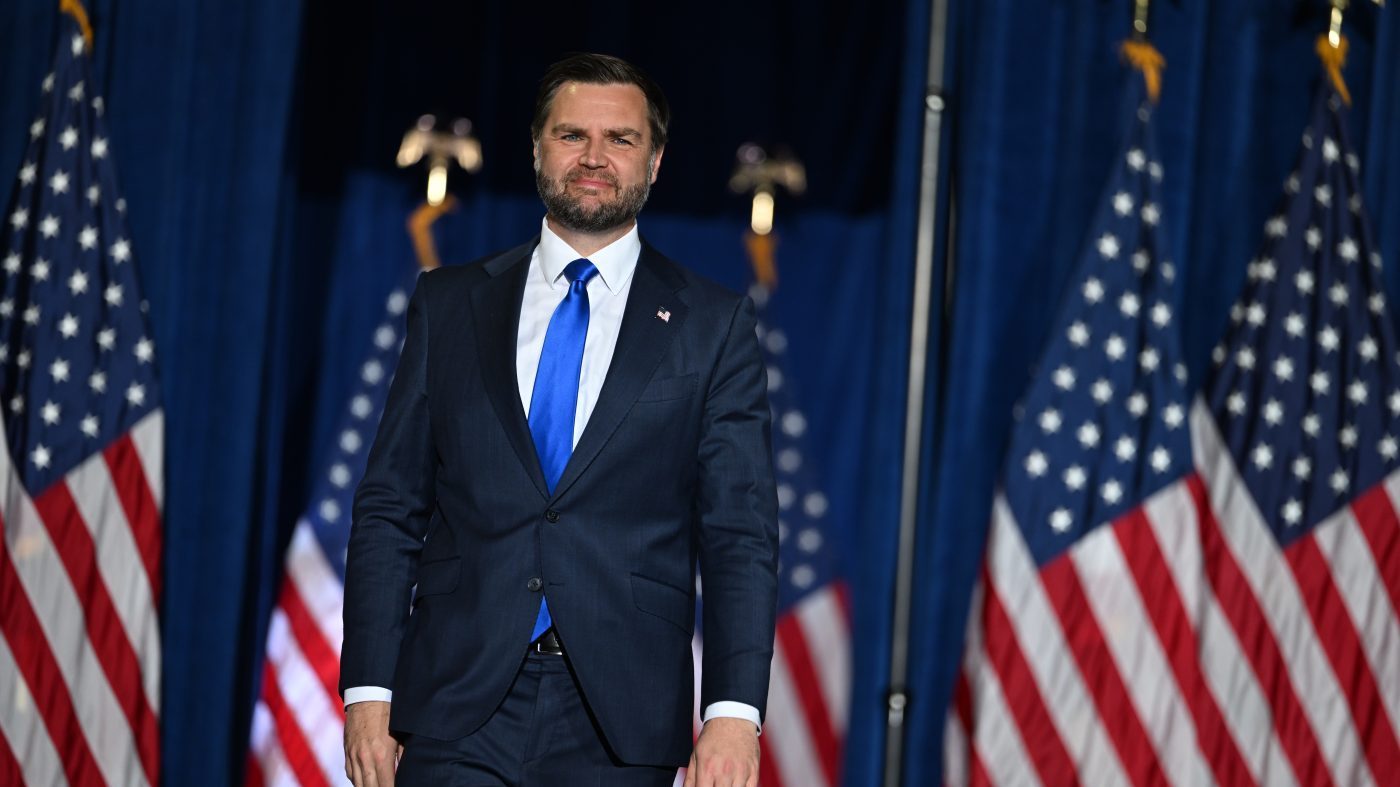
Vice President Vance sidestepped a question Monday about whether he backs Israeli Prime Minister Benjamin Netanyahu in the upcoming election, saying he is “not getting involved” in the race. In an interview aboard Air Force Two with Mark Halperin on 2WAY Tonight, Vance said, “I’m not anti-endorsing him. I’m not pro-endorsing him.” He added that his focus remains on U.S. political contests, noting, “I endorse American candidates.”
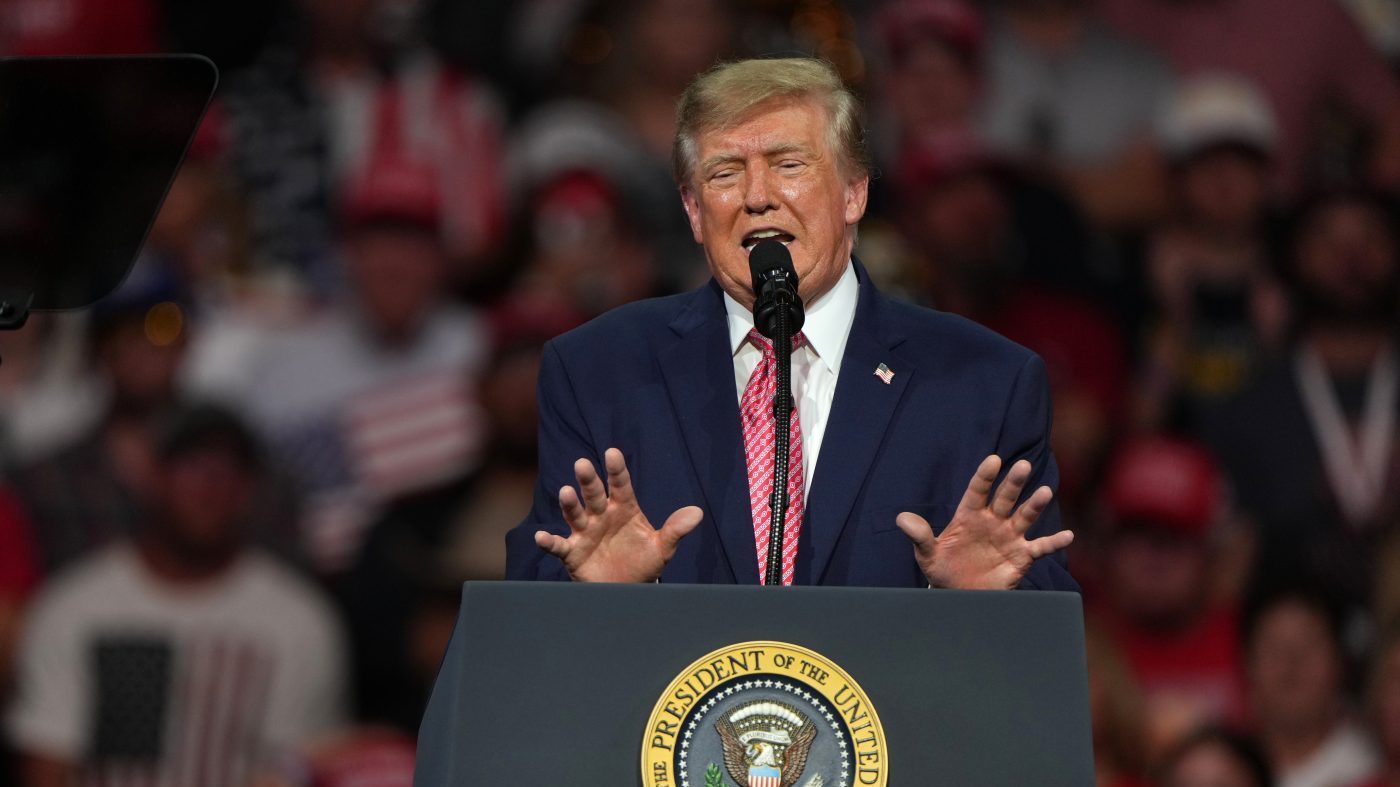
The vice president’s careful neutrality comes a day after President Trump threw his support behind Netanyahu in a Truth Social post addressed to “the Great People of Israel.” Trump called “Bibi” a “Great Warrior Prime Minister” and warned that if Israel chooses any leader other than Netanyahu, “America will have to do this work ourselves, and I am not inclined to do so.” The president’s endorsement, which also touched on Iran’s nuclear ambitions, was quickly welcomed by Netanyahu, who thanked Trump on X, saying “Israel has never had a greater friend in the White House. Together we will never let Iran’s regime get nuclear weapons.”
Vance’s reluctance to echo Trump’s endorsement highlights a subtle but notable divergence within the administration over Middle East policy. Earlier this year, the vice president acknowledged that while the U.S. and Israel share many interests, there are also areas where they part ways. He made the comments in response to a question about Israeli espionage activities in the U.S. and a Fox News segment describing Israel “freelancing in Lebanon.” “The Israelis and the United States, we have a lot of shared interests, but we also have some situations where our interests diverge,” Vance said at the time.
The vice president’s non-answer on Netanyahu is a break from the president’s more forceful stance, but it is unlikely to alter the dynamics of the Israeli election, where Netanyahu faces a stiff challenge. Still, the contrast underscores the delicate balance the administration must strike in its relationship with Israel, particularly as the U.S. election cycle heats up.
Vance’s remarks also come as he has been more visible on the campaign trail, taking jabs at Democratic rivals. In a recent rally, he dismissed a Michigan event by Democratic candidate Abdul El-Sayed as a “cute little” gathering, a comment that drew sharp criticism. The vice president has also been at the center of a controversy involving a grieving husband who confronted him over military failures in a drone attack, a moment that was widely shared online.
As the administration navigates foreign policy and domestic politics, Vance’s decision to remain above the fray in Israel’s election could be seen as an attempt to keep his focus on U.S. voters. But it also reflects the complexity of an issue that has historically been a bipartisan touchstone, with some analysts suggesting that the president’s endorsement could be a double-edged sword in an election where Netanyahu’s popularity has waned.
Meanwhile, the broader context of U.S.-Israel relations is evolving, with questions about Iran, regional security, and the two-state solution looming. The president’s warning that the U.S. would not fight Iran alone is a signal of shifting priorities, and Vance’s cautious language suggests a more calibrated approach.
For now, the vice president’s non-endorsement is a notable departure from the president’s clear support, but it remains to be seen whether it will have any lasting impact on the Israeli vote or the U.S.-Israel alliance.