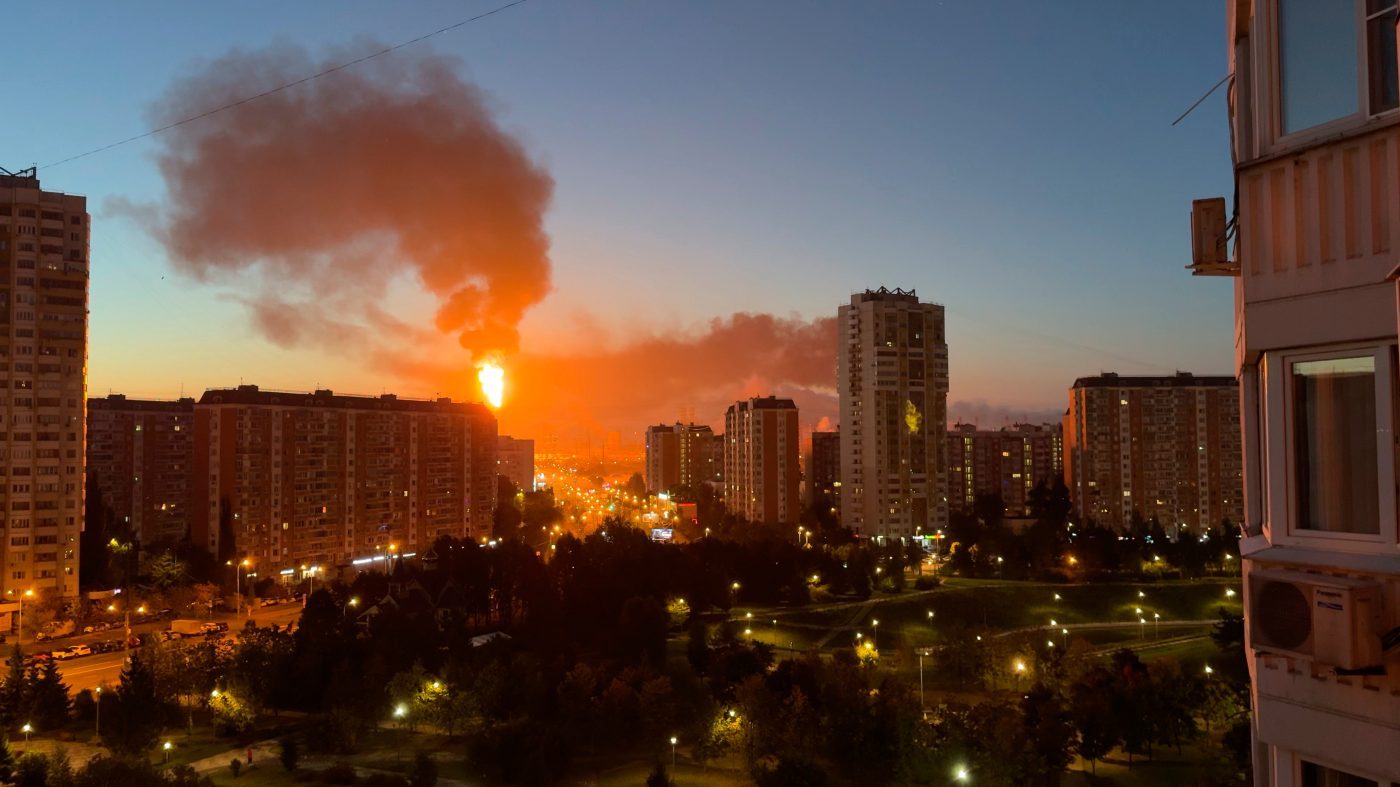
Ukraine launched new drone attacks on Russian oil infrastructure Thursday, hours after President Volodymyr Zelensky declared the U.S.-brokered energy ceasefire effectively over. The strike targeted a refinery in the Ryazan region, southeast of Moscow, according to Russia's Defense Ministry and regional governor Pavel Malkov, who said emergency crews were assessing the damage.
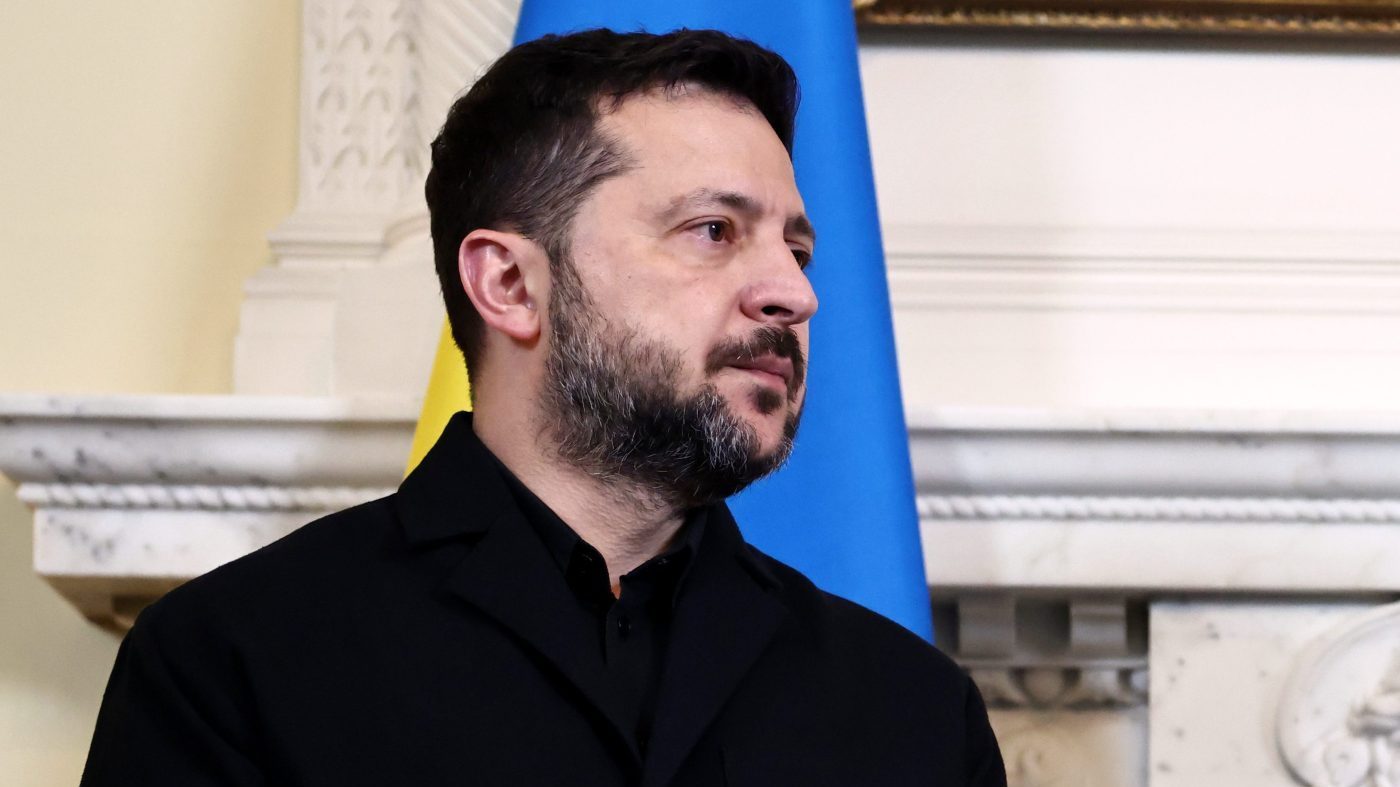
A senior Ukrainian official confirmed the operation to the Associated Press, signaling a deliberate return to hitting Russian energy assets after a brief pause. The move follows Zelensky's blunt statement to the Financial Times that Ukraine's patience had run out, saying, “The block is out. We're done.”
The ceasefire, announced by President Trump, was meant to allow Russian diesel into U.S. and global markets amid an energy crunch. But Zelensky has framed the arrangement as a betrayal, telling British journalist Piers Morgan on his “Uncensored” show that he felt let down by Washington's decisions. “Really, yes, between us,” he said when asked about feeling betrayed, adding that Ukraine relies on “real partners” like the United States.
Zelensky also voiced anger over reported restrictions on SpaceX's Starlink satellite services, which are vital for Ukrainian military communications and drone operations. He called the slowdown a “big mistake” and warned that lives could be lost if full connectivity is not restored. Ukraine's former defense minister, Mykhailo Fedorov, said speeds were being restored, but the episode has fueled suspicions of political pressure from the Trump administration.
In the same interview, Zelensky accused the U.S. of not being “on the right side of history,” saying, “It's painful when President Trump chooses one side, not our side... If you're in the middle you have to stay in the middle, not on the wrong side.” He suggested Trump's advisers were pushing him in the wrong direction.
The Ukrainian leader had earlier blasted the diesel deal as a “gift” to Russian President Vladimir Putin, warning that Moscow would repay the concession with “further terror and perfidy.” The agreement also drew rare bipartisan criticism in Congress. A group of Republican and Democratic senators, including Susan Collins, Lisa Murkowski, and Ron Wyden, issued a joint statement arguing the move violates a 2022 statute banning Russian energy imports.
Senator Thom Tillis has separately asked the Pentagon's inspector general to investigate the Starlink disruptions and demanded more transparency from Elon Musk's company. The episode has deepened concerns about U.S. reliability as a partner, particularly as Ukraine's battlefield communications depend heavily on commercial satellite links.
The resumption of strikes on Russian refineries marks a significant escalation after weeks of relative calm on the energy front. It also complicates Trump's efforts to broker a broader ceasefire, as both sides accuse each other of undermining the fragile agreement. With the truce now in tatters, the war's energy dimension is likely to intensify, with Ukraine seeking to pressure Moscow's economy while Russia continues to target Ukrainian infrastructure.
For now, the diplomatic path remains uncertain. Zelensky has made clear that Ukraine will not accept a peace that leaves it vulnerable, and the latest attacks signal that Kyiv is prepared to use military leverage to shape the terms of any future negotiations.