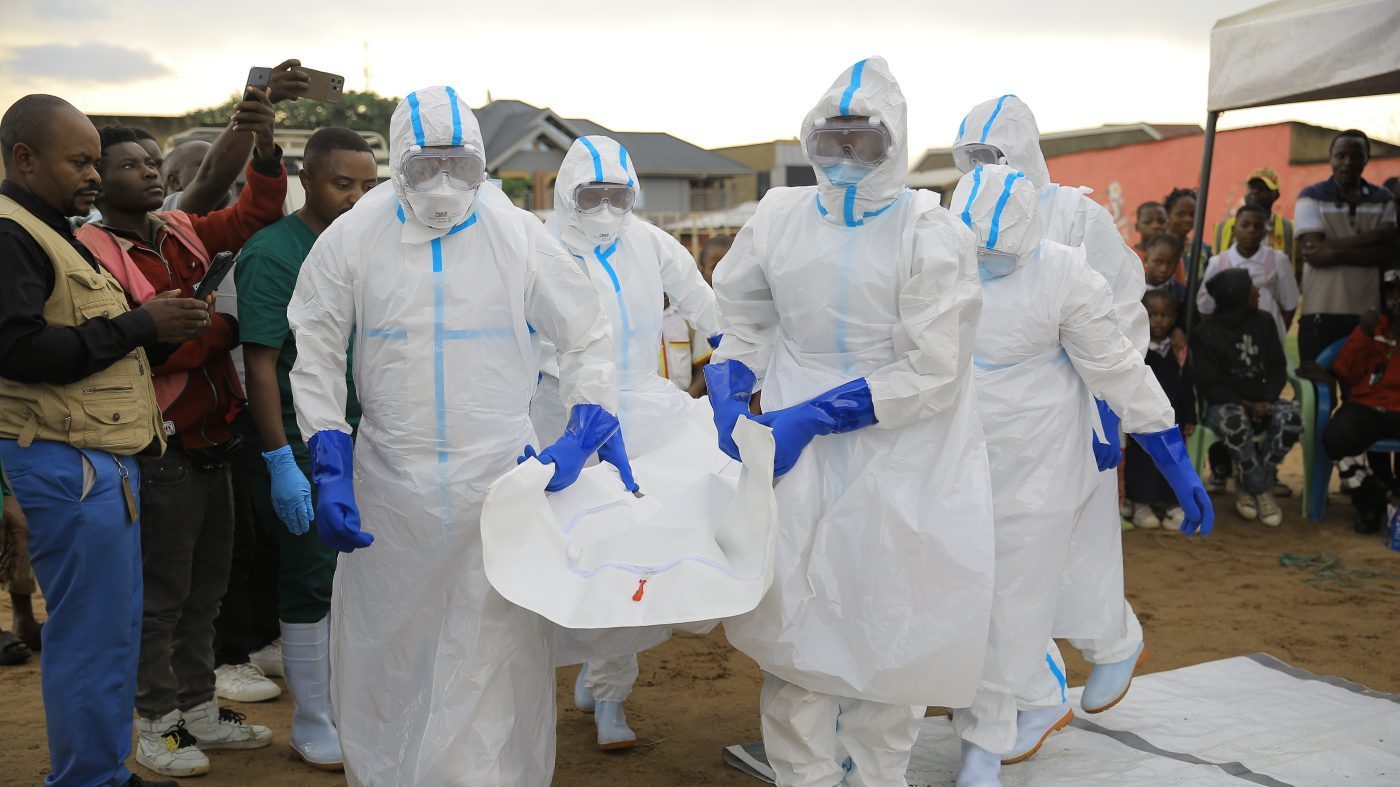
American families are increasingly caught between shifting vaccination guidelines and the everyday struggle to keep their children healthy. The chasm between vaccine skeptics and those eager to vaccinate continues to widen, allowing once-rare diseases to resurface in concentrated outbreaks. This year alone, measles has infected more than 4,600 people in the U.S., with 42 new outbreaks recorded in 2026.
Beyond the public confidence crisis, the nation's vaccine infrastructure is facing a potential operational collapse. Proposals to overhaul the childhood immunization schedule—such as splitting the MMR shot into three separate injections—are being floated without a clear-eyed assessment of whether manufacturing, supply chains, and distribution networks can handle the change. The result could be shortages, delays, and a further drop in vaccination rates, according to public health experts.
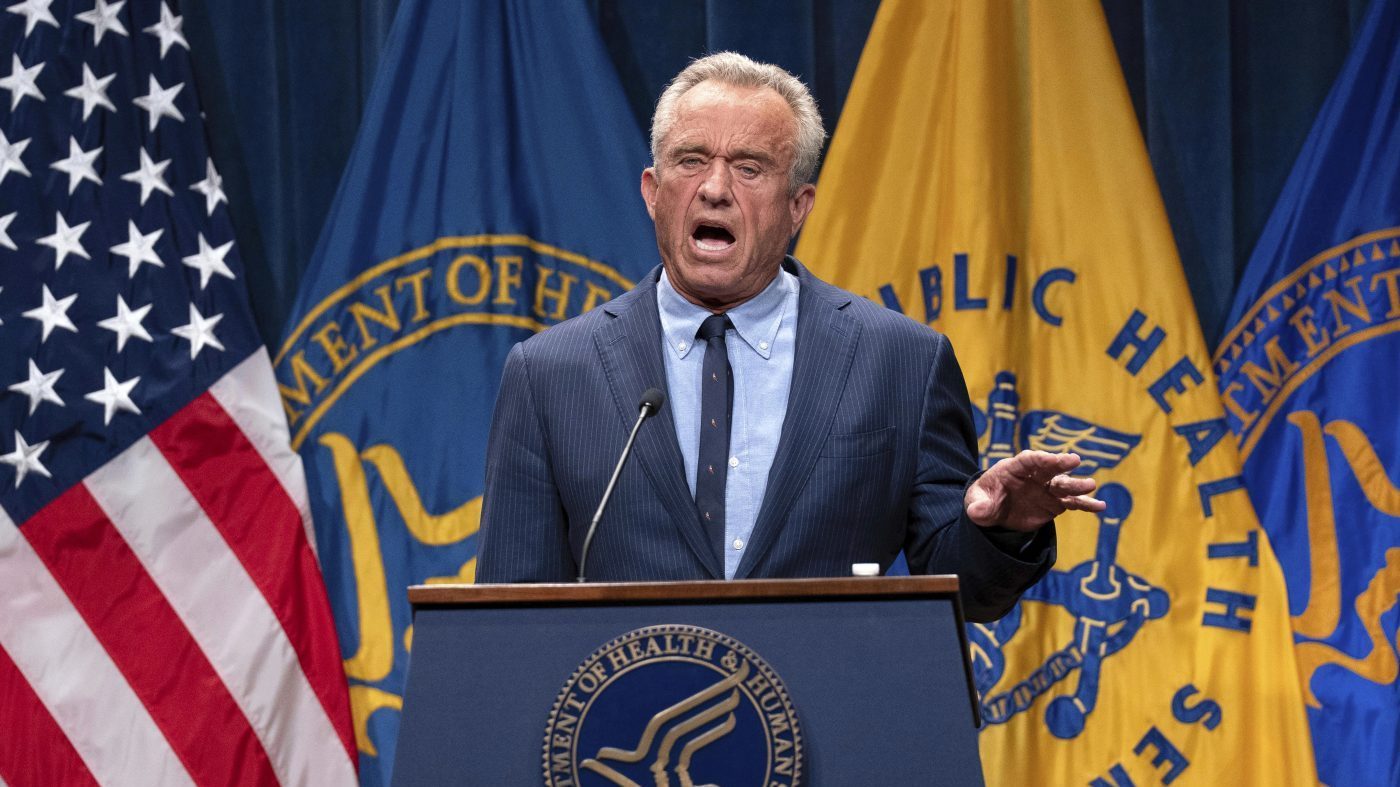
Trust in the healthcare system has never fully recovered from the pandemic, when decisions were made under intense uncertainty. That trust deficit is now being exploited by a flood of mixed signals. For the 2026-27 season, the Centers for Disease Control and Prevention has yet to issue fresh COVID-19 or RSV guidance, prompting four medical groups to step in with their own recommendations. Families are left to navigate contradictory advice, often unsure which shots are available, who qualifies, or where to get them.
This confusion is distinct from outright hesitancy. A hesitant parent questions whether to vaccinate at all; an uncertain parent wants to vaccinate but lacks the information or access. The former requires rebuilding trust; the latter demands a functioning system. As recent polling shows, vaccine confidence is increasingly polarized along party lines, making the operational failures even more consequential.
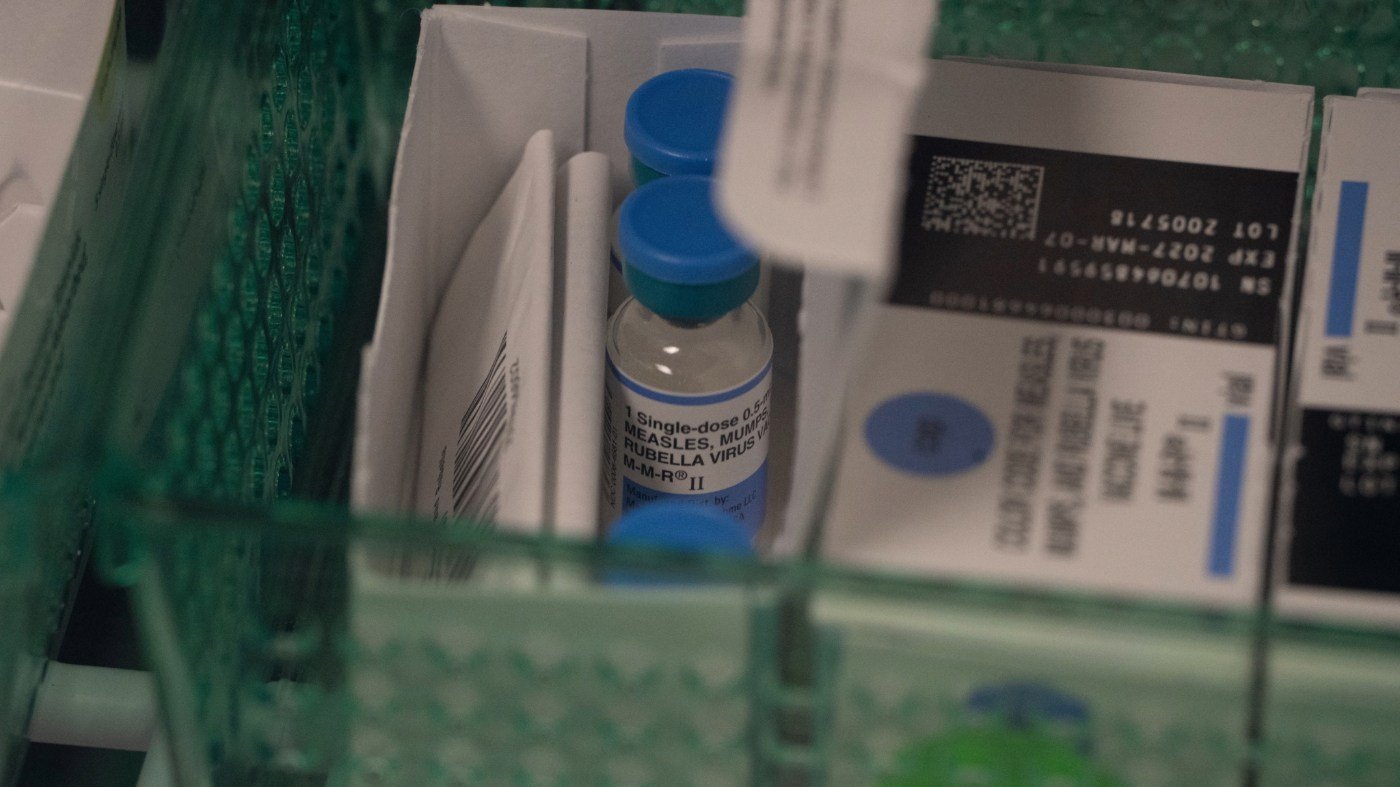
The push to split the MMR vaccine, signaled by an executive order in August, exemplifies the problem. No standalone measles, mumps, or rubella vaccines are currently sold in the U.S., meaning manufacturers would have to develop, test, and win approval for entirely new products—a process that would take years. Even if approved, clinics and pharmacies would face triple the stocking decisions, each with its own demand uncertainty. Order too few and families are turned away; order too many and doses are wasted. The supply chain, already strained, would be forced to manage three times the syringes, cold storage, and logistics.
Before any national schedule is changed, policymakers must determine whether the system can actually deliver it. Operations research—using mathematical modeling, optimization, and simulation—can evaluate how proposed changes would ripple through manufacturing capacity, distribution networks, inventory requirements, and patient access. These tools can help clinics and health departments decide how much of each vaccine to stock and where to place it when demand is unpredictable. They can also identify which information gaps, whether about availability or eligibility, are most likely to push families toward skipping vaccinations altogether.
No single announcement can fix this. But the media, healthcare professionals, and community leaders owe the public three things: First, evaluate operational feasibility before announcing policy changes. Policymakers must consider not only the science but also whether the infrastructure exists to implement it. Second, reduce uncertainty for families by providing clear, consistent, and accessible information—and flexibility. Parents should not have to hunt for which vaccines are available or who is eligible. Third, build resilience into vaccine supply chains. Using forecasting and optimization, healthcare systems can anticipate demand shifts, allocate resources, and identify vulnerabilities before they become crises.
The goal is not merely to react to shortages but to design a system that can adapt to changing circumstances and patient preferences without compromising access. As the political landscape shifts and trust in institutions wavers, the ability to deliver vaccines reliably is as critical as the science behind them. Americans cannot make informed decisions if the system designed to protect them is unpredictable, confusing, or unprepared.