Democrats are increasingly bullish about their midterm prospects as polling data shifts against President Trump and redistricting battles appear unlikely to dramatically alter the electoral map. Republican confidence, meanwhile, is sagging under the weight of economic concerns and a protracted conflict in Iran.
Against this backdrop, Saturday's shooting at the White House Correspondents' Association dinner has forced both parties back into a familiar and divisive argument: whether an act of political violence—another assassination attempt—can still move a deeply polarized electorate.
Democratic strategists largely dismissed the idea that the shooting would trigger a repeat of the summer of 2024, when Trump's defiant response to a rally assassination attempt in Butler, Pennsylvania, became a defining campaign image. They argue that Trump has already squandered any potential goodwill from the public with his reaction to the near tragedy. Instead of projecting sustained unity—something he briefly did in the hours after the attack from the White House press room—Trump quickly pivoted to promoting a new White House ballroom and lashing out at CBS journalist Norah O'Donnell, who interviewed him over the weekend.
“Whatever goodwill Trump had, he’s already squandered it—attacking Norah O'Donnell and using the moment to pitch his new ballroom,” said Democratic strategist Anthony Coley. “Americans are focused on gas, groceries, and the cost-of-living crisis. Until Trump meets them there, his approval ratings won’t change.”
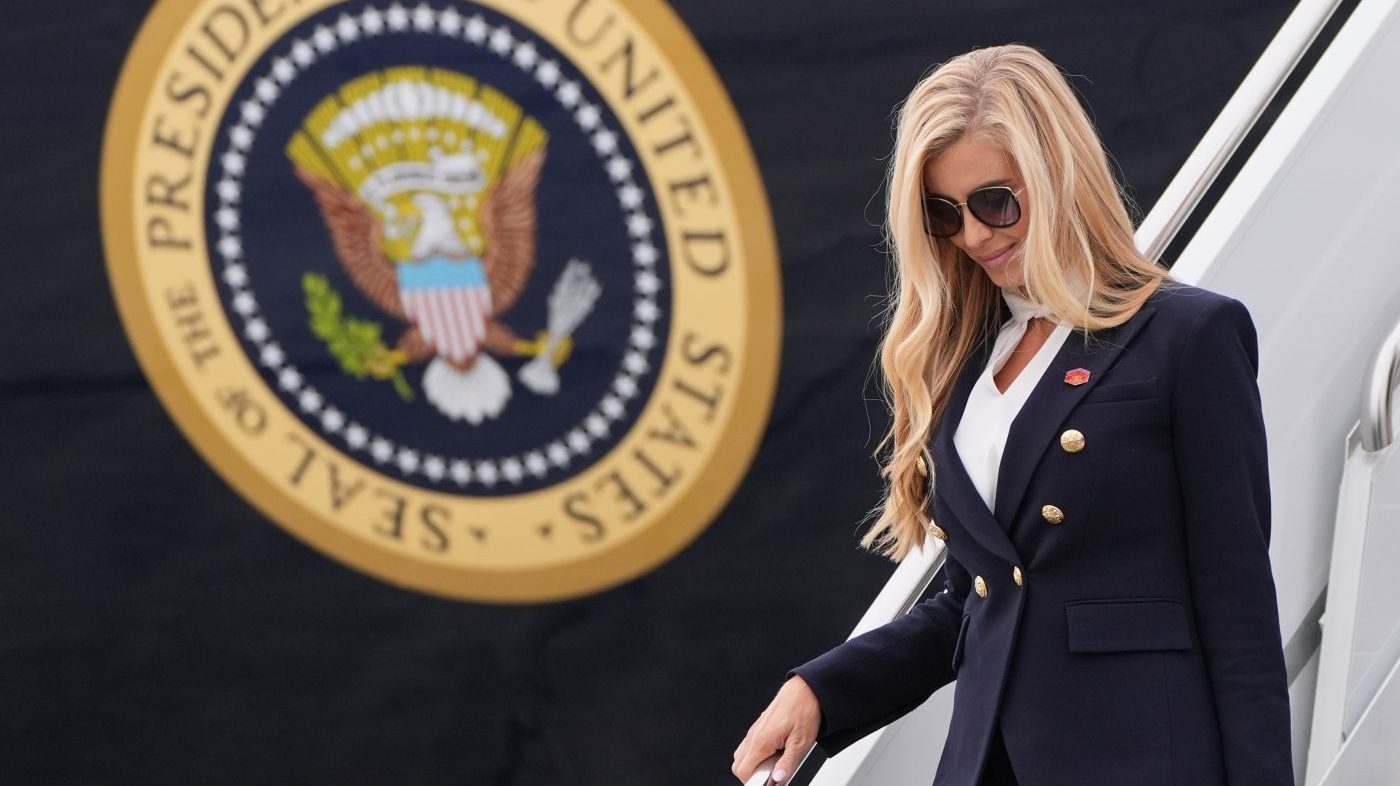
The White House, however, sees political opportunity in the shooting. Press Secretary Karoline Leavitt, who was seated on the dais beside first lady Melania Trump during the dinner, argued that Democratic rhetoric—including comparisons of Trump to Adolf Hitler—had laid the groundwork for Saturday's violence. Speaking from the White House podium, Leavitt said the “hateful and violent” language from Democrats was “fueling this kind of violence.” She also blamed Democrats for withholding funding from the Department of Homeland Security, which finances the Secret Service. A detailed analysis of her remarks is available in our coverage of the White House press secretary's statement linking the shooting to Democratic rhetoric.
Democrats are buoyed by a Fox News poll showing that for the first time since 2010, Americans trust Democrats more than Republicans on the economy, 52 percent to 48 percent. While Trump is not on the ballot this year, the midterms are widely seen as a referendum on his handling of the economy and other issues. One Republican strategist agreed with Leavitt on the impact of Democratic rhetoric, noting, “The level of rhetoric on the left is through the roof. There’s been three attempts at the president’s life; a major Republican activist, Charlie Kirk, was also assassinated. Do we need more proof?” Yet the same strategist expressed doubt that the public would rally around Trump ahead of the midterms. “Sadly we’ve become immune to this sort of thing. Life seems to have carried on.”
Democrats are also celebrating their redistricting efforts, particularly after a victory in Virginia last week. “I think in terms of pure math it will roughly be a wash, but that in and of itself is a big win for Dems,” said Democratic strategist Eddie Vale. “And then also overall it gets the base fired up to see their leadership standing up and fighting back.” Republicans, meanwhile, appear to recognize they need to do more. Florida Governor Ron DeSantis has proposed a map that could net four additional GOP seats, but election experts warn it carries risks. Dave Wasserman of the Cook Political Report noted on X, “In a year like 2026, not all of the 24 seats would be safe for the GOP.” If Florida proceeds, it could give the GOP an overall advantage after other states like Texas, California, Virginia, and Missouri have redrawn lines to benefit their majority parties.
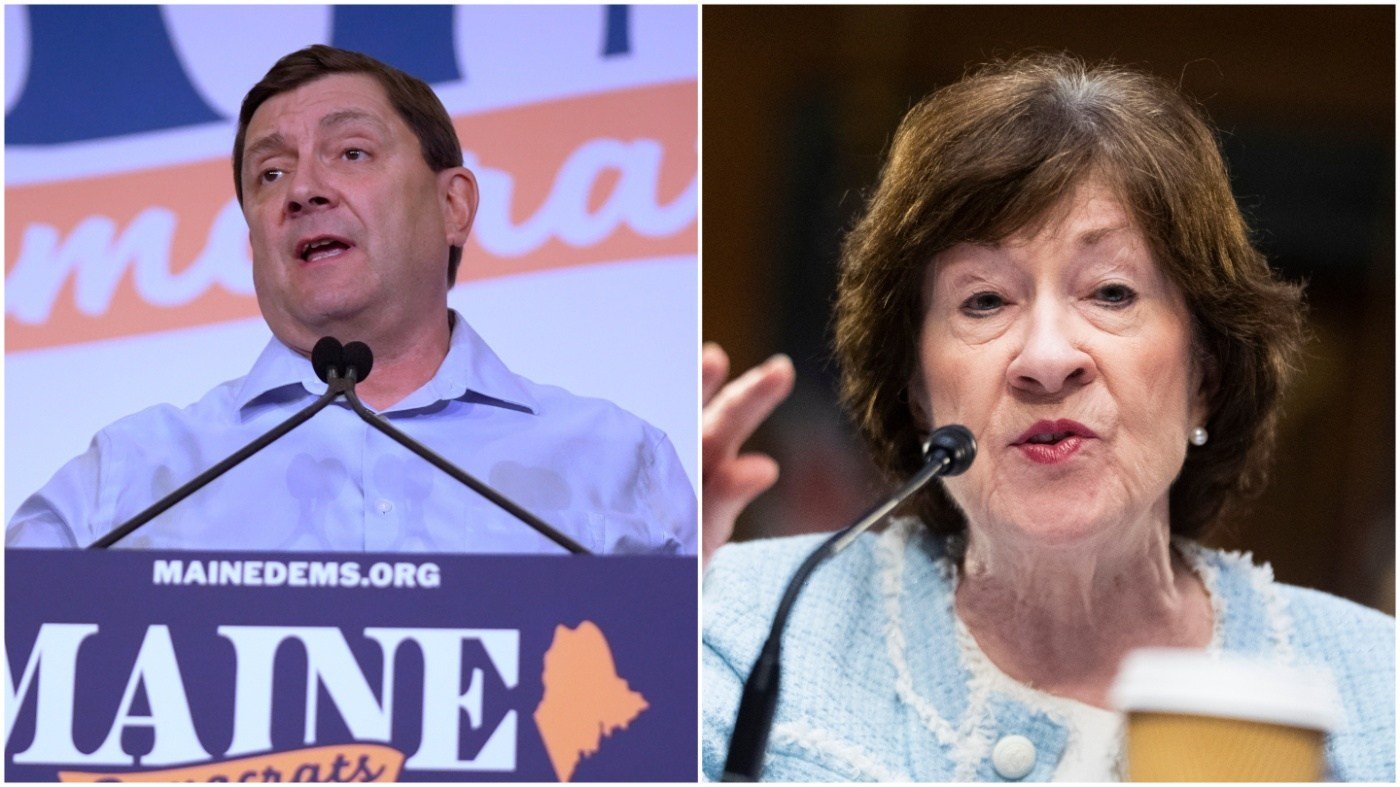
The problem for Republicans is that Democrats need only a handful of seats to flip the House, and the president’s party typically loses seats in a midterm. High gas prices and the Iran war have only bolstered Democratic confidence. A few months ago, Republicans were confident they would retain the Senate, where they would need to lose four seats to lose their majority. That confidence has eroded as the Iran conflict drags on. The Cook Political Report rates an open Senate seat in North Carolina as leaning Democratic, while GOP Senators Susan Collins (Maine) and John Husted (Ohio) are in toss-up races. Senator Dan Sullivan’s (R-Alaska) race leans Republican.
In the wake of the shooting, some Democrats—including those working in politics—have floated conspiracy theories. Representative Jasmine Crockett (D-Texas) went as far as calling the event a hoax in the immediate hours after the dinner. “Has there ever been a president have this many close ‘attempts’ on their life?” Crockett wrote on Threads. “Maybe it’s lax gun laws, maybe it’s lack of mental health resources…” The comment underscores the deep partisan fissures that continue to define the political landscape.