Eighteen candidates running for Congress and governor have signed a pledge to advocate for tighter oversight of the artificial intelligence industry, a move that comes as public concern over the technology's rapid expansion intensifies. The group, comprising 17 Democrats and one independent, has committed to a five-point agenda aimed at reining in what they describe as unchecked corporate power.
The so-called AI Pact, drafted by the anti-corruption group Political Integrity Project, calls on lawmakers to end what it terms "giveaways and backroom deals" for data centers, require mandatory safety reviews before AI models are released to the public, and create an "AI dividend" to support workers affected by "market disruptions." The pact also demands that AI companies be held accountable for "financial and material harms" and that they not receive public bailouts if they engage in "reckless market risk."

Among the signatories is Dan Osborn, an independent populist challenging Republican Senator Pete Ricketts of Nebraska. The other 17 are Democrats, including Florida Senate nominee Angie Nixon, a democratic socialist, and Connie Chan, who is running to succeed retiring former Speaker Nancy Pelosi in California. Texas state Representative Gina Hinojosa, a Democrat challenging Governor Greg Abbott, has also signed the pledge, as have candidates from 14 states.
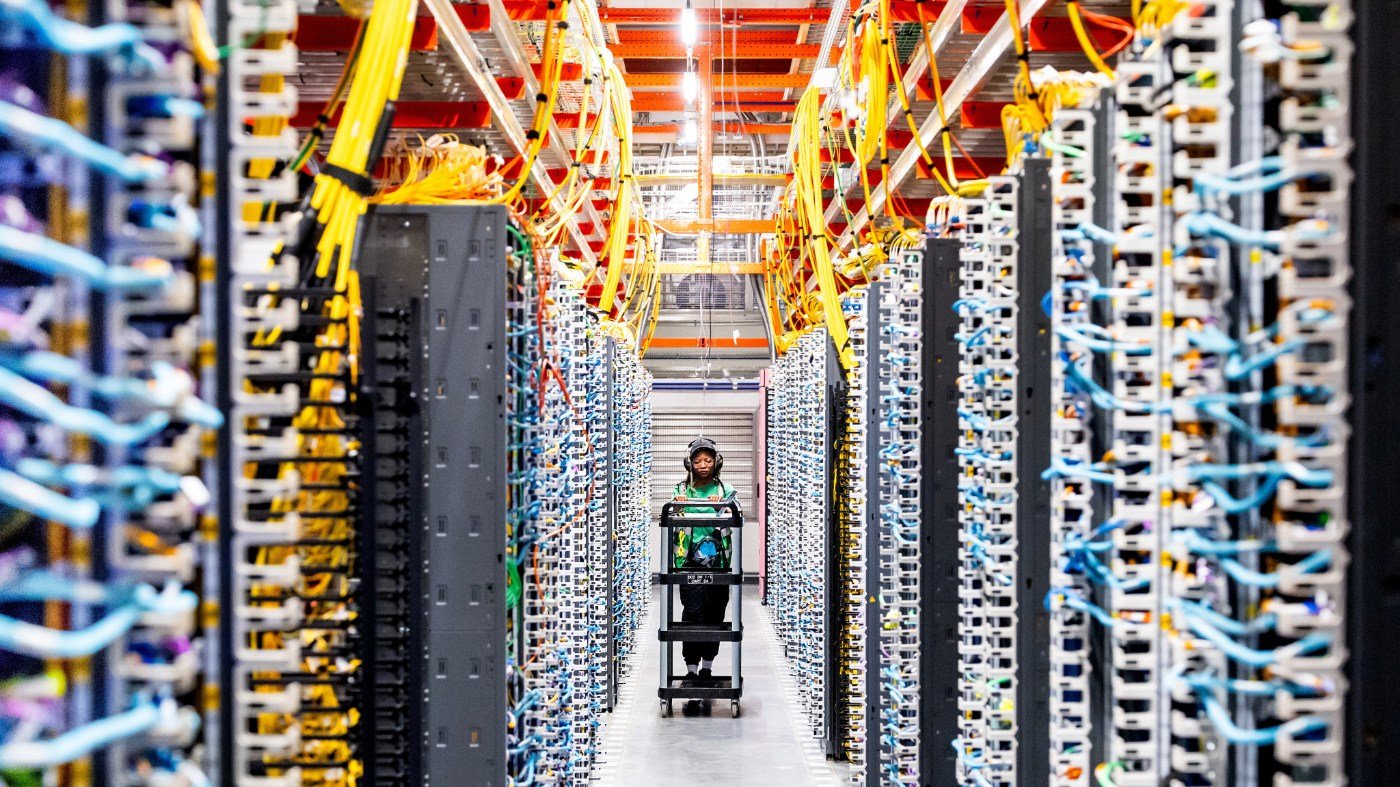
The pact arrives amid growing public skepticism about data centers, which have proliferated to support AI's computing demands. A recent Emerson College poll found that 63% of respondents opposed having a data center built in or near their community, a sharp increase from December, when 42% were opposed and 33% supported such construction.
Environmental concerns are a key driver of the opposition. A medium-sized data center can consume up to 110 million gallons of water per year for cooling, roughly the annual usage of 1,000 households, according to an analyst at the nonprofit Environmental and Energy Study Institute. The issue has become a flashpoint in local communities, with some residents citing noise, water use, and strain on the power grid.
Charlie Blaettler, political director of the Guardrails Alliance, an advocacy group supporting AI regulation, said the industry is spending "hundreds of millions of dollars on lobbying and on super PACs like Leading the Future to scare candidates and lawmakers from standing up for common sense" measures. "Candidates need to make it clear whether they stand with the vast majority of Americans who want serious regulations on this technology or if they're going to roll over for the AI industry in exchange for campaign checks," Blaettler said in a statement.
The pact's backers also point to the industry's growing influence in Washington, noting that AI companies have increased their lobbying spending significantly in recent years. The political dynamics are complicated, as Democrats seek to balance innovation with consumer protection.
Supporters of AI regulation argue that the technology's benefits, such as in healthcare, should not come at the expense of public safety. A recent American Medical Association survey found that more than three-quarters of physicians believe AI improves their ability to care for patients, particularly in developing treatments and cures. But the pact's signatories insist that such progress must be paired with guardrails.
The AI Pact is seen as an attempt to force the issue onto the campaign trail, especially in battleground states. The Texas race is one example where the issue could resonate, given the state's role as a hub for data centers and the governor's support for the industry.
As the 2024 election cycle heats up, the AI Pact could become a litmus test for candidates, particularly in districts where data center construction has sparked local opposition. The Guardrails Alliance and other groups plan to track which candidates sign on and which do not, potentially using the issue to mobilize voters.